





Heavy Door Hardware
Heavy door hardware anchors an entrance with substantial brass, bronze, and cast iron forged for daily use across centuries.
Heavy Door Hardware
Heavy door hardware encompasses functional items designed to operate, secure, and adorn entryways, including knockers, handles, hinges, bolts, and doorstops. When searching for heavy door hardware, buyers encounter substantial metal pieces built to withstand generations of physical use.
The selections span eras from the seventeenth century through the Victorian period, Edwardian years, and early twentieth-century designs like Art Deco and Arts and Crafts. Pieces originate from domestic workshops and continental foundries, reflecting varied architectural demands.
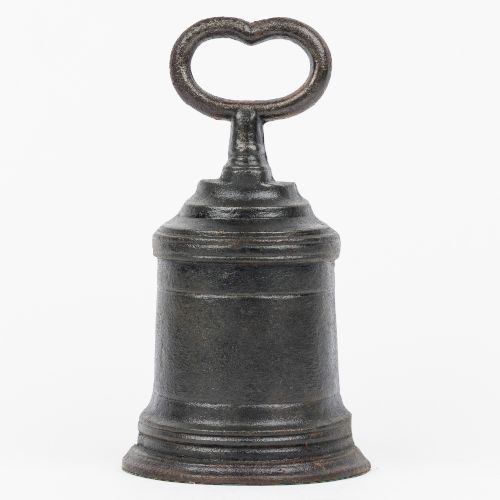
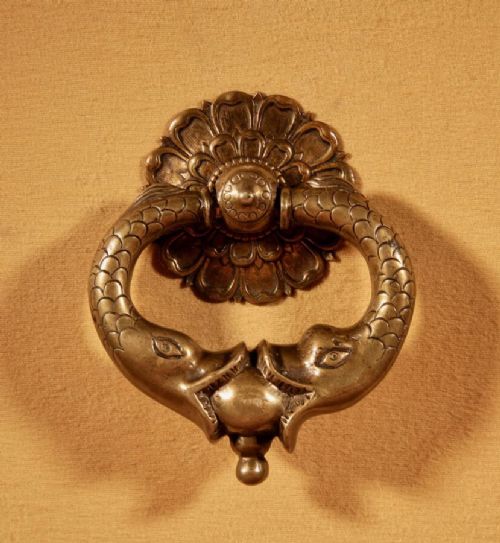
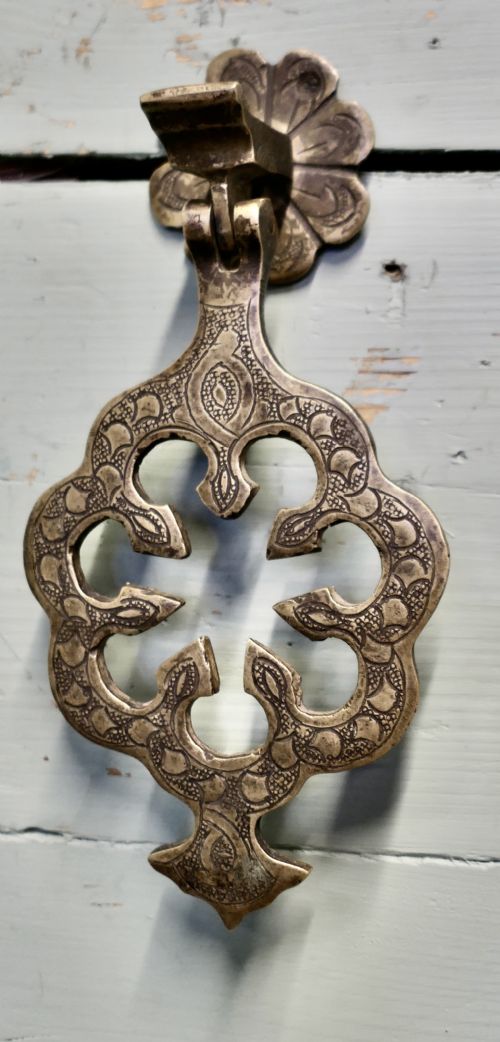
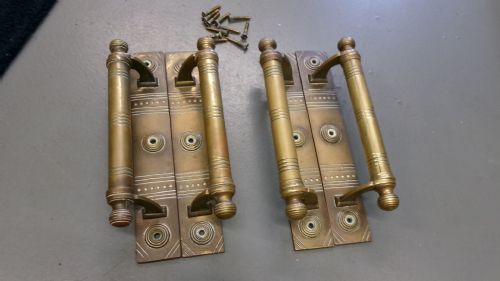
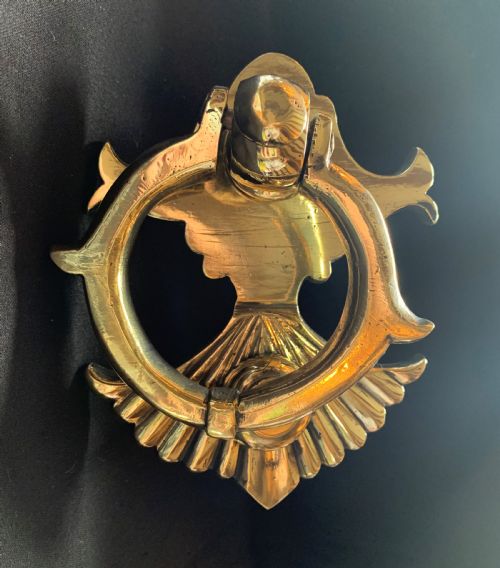
Door knockers, handles, finger plates, and centre door knobs dominate the forms. Buyers frequently meet Victorian brass knockers, such as Maltese dolphin or lion mask motifs, alongside robust bronze handles and cast iron fittings.
Materials and casting methods
Foundries utilised brass, solid brass, bronze, cast iron, copper alloy, and lead to achieve the necessary weight and durability for entryways. Metal was poured into sand moulds or lost-wax setups, yielding crisp surface detail in handles, knockers, and decorative plates.
Makers finished castings through filing, polishing, or leaving surfaces patinated. Finials, hinges, and bolts relied on precise metalworking to ensure functional integrity alongside ornamental presence.
Heavy Door Hardware Retail Price Guide 2026
Typical asking prices for heavy door hardware among the pieces listed under this phrase on Sellingantiques today, from the lower quarter to the upper quarter. They describe what is for sale here now, not the wider market.
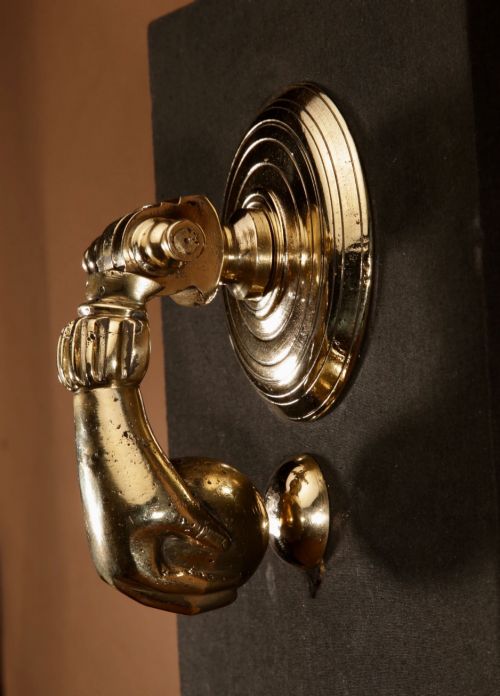
Several Victorian knockers take the surprising shape of a human hand ready to rap on the wood.
Assessing quality in metalwork
Quality rests upon the depth of the casting and the crispness of chased details, where superior pieces retain sharp relief in motifs like hands, laurel wreaths, or marine creatures. Heavier gauge metal indicates substantial material use rather than hollow or thin construction.
Original fixings, matched sets, and maker attribution elevate pieces above standard utilitarian hardware. The integrity of the original metal surface, whether polished brass or patinated bronze, defines the visual execution.
Archibald Kenrick & Sons
The Heavy Door Hardware Glossary
- Door porter
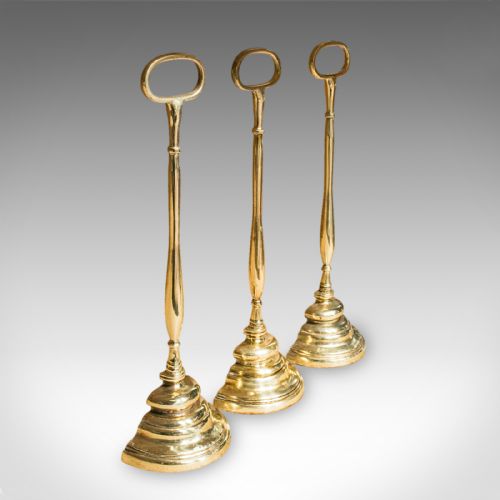
- A heavy weighted object placed against a door to keep it open, often formed as a decorative figurine or animal.
- Doctors knocker
- A specific style of door knocker featuring a vertical pivot bar mounted above a striking plate, traditionally used by medical practitioners.
- Finial
- A decorative terminal ornament attached to the end of a hinge, bolt, or handle.
- Finger plate
- A flat metal plate mounted behind a door handle to protect the timber surface from frequent hand contact.
- Centre door knob
- A stationary handle placed in the middle of a primary entrance door rather than on the edge.
Heavy Door Hardware: Frequently Asked Questions
What is heavy door hardware?
Heavy door hardware refers to robust metal fixtures designed for doors, including knockers, handles, hinges, and letterboxes.
These pieces utilise substantial brass, bronze, and cast iron to provide both mechanical utility and decorative weight to an entrance.
How do I identify Victorian door knockers?
Victorian knockers often feature distinct stylistic revivals, such as Gothic ironwork, classical lion masks, or marine motifs like dolphins and sea serpents.
Many examples incorporate integrated letterboxes or carry maker marks from period foundries.
Were brass and bronze used differently?
Brass and bronze both served structural and decorative roles, though bronze frequently appeared in high-relief sculptural knockers and handles.
Solid brass was favoured for bright polished centre knobs, hinges, and plates requiring durable daily interaction.
How do I install antique hardware?
Installation requires matching the gauge and weight of the hardware to the structural capacity of the timber door.
Careful alignment with existing screw holes or mortises preserves the surrounding antique wood.