





Heavy Carved Frame
A heavy carved frame brings substantial presence to a room, holding mirrors, paintings, and beds with architectural weight.
Heavy Carved Frame
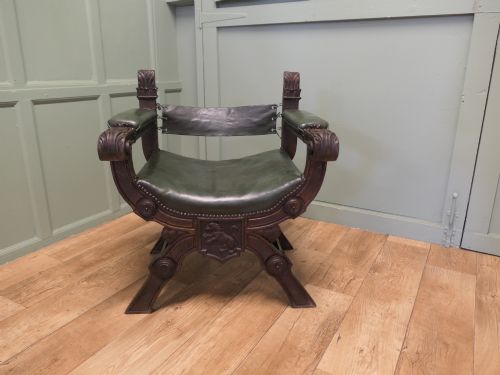
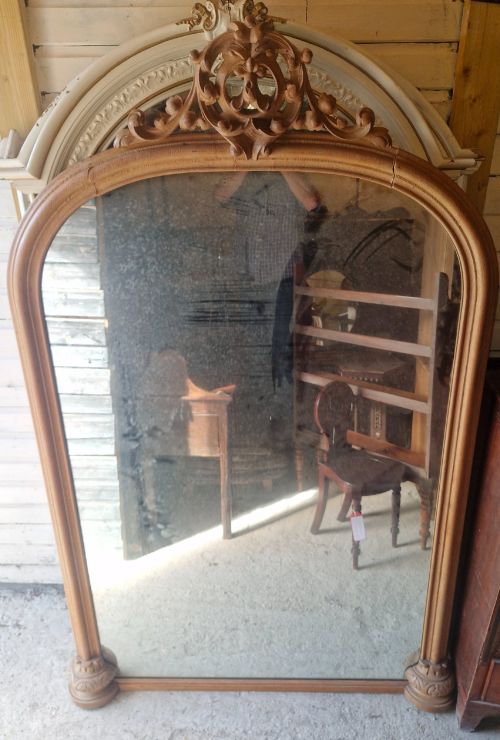
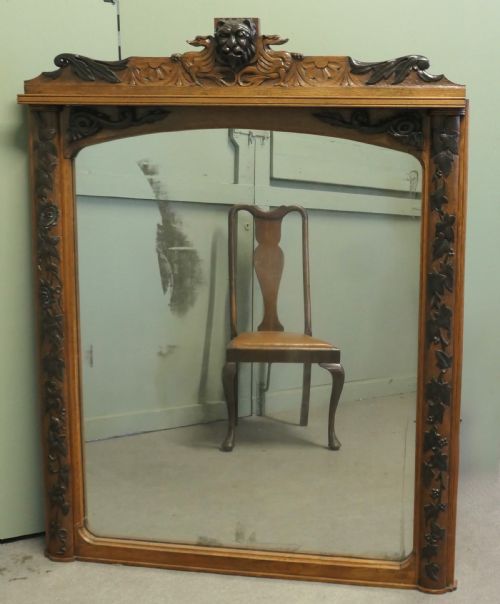
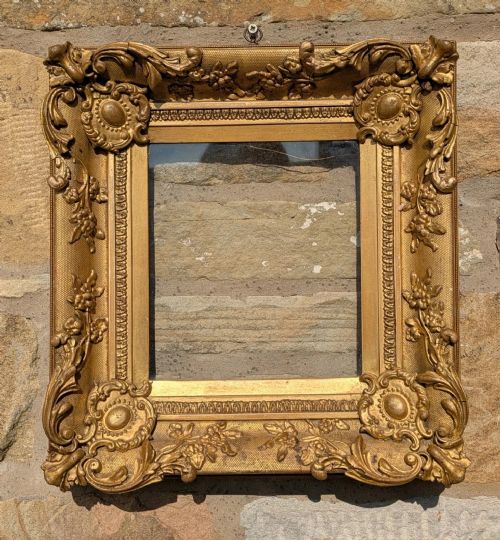
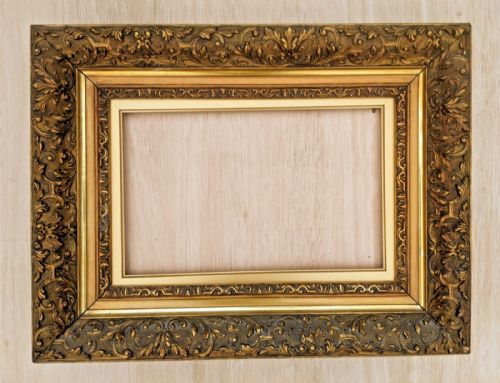
A heavy carved frame primarily appears on this page as a large wall mirror, overmantle mirror, picture frame, or substantial bedstead. These pieces span the nineteenth century and the Victorian era, alongside earlier examples and later twentieth century iterations.
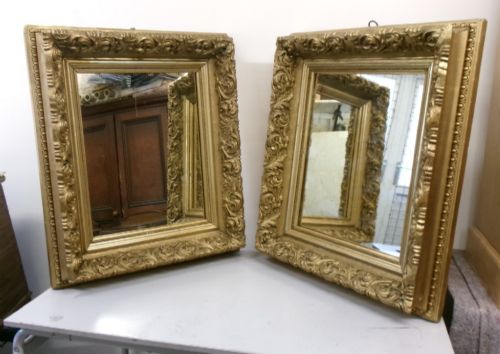
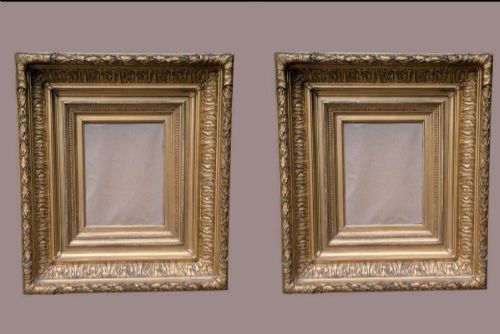
The most common formats you encounter are deep Victorian gilt frames, large oak wall mirrors with carved details, and ornate giltwood mirror glasses. They serve both functional and decorative roles, often dominating a wall through sheer scale and depth.
The selection ranges from simple oak cushion frames to elaborate Rococo Revival designs and Renaissance-style bevel edge mirrors. Each object relies on substantial timber or robust moulding to create its distinctive profile.
Materials and construction
Frames on this page utilise solid timber foundations, predominantly oak, shaped into deep profiles and structural beds. Artisans carved directly into the wood for oak pieces or built up complex decorative forms using gesso over a wooden base.
Giltwood and gold leaf finishes provide the luminous surface characteristic of many mirrors and picture frames here. Sand moulded gesso frequently adds textured detail beneath the gilding to catch the light.
Additional materials include original mirror glass, brass fixtures for beds, and occasional bamboo structures. Construction combines traditional joinery for heavy wooden frames with specialist application of leaf and gesso.
Heavy Carved Frame Retail Price Guide 2026
Typical asking prices for heavy carved frame among the pieces listed under this phrase on Sellingantiques today, from the lower quarter to the upper quarter. They describe what is for sale here now, not the wider market.
Listings feature pieces spanning the fifteenth to the twentieth centuries, with a strong concentration of nineteenth-century oak wall mirrors and Victorian gilt frames.
What separates the finest examples
Quality in a heavy carved frame rests on the crispness and depth of the carving rather than mere bulk. Superior pieces display sharply defined ornamentation where every contour and scroll has been executed with deliberate intent.
The integrity of the surface finish dictates upper-tier examples, whether in the retention of original gold leaf or the rich patina of polished oak. Lesser versions show clumsy remodelling or flat, uniform casting that lacks hand-finished nuance.
Proportion and structural soundness distinguish the best makers' work from standard production. A fine frame maintains structural balance despite its weight, ensuring that the decorative elements complement the central glass or canvas.
The Heavy Carved Frame Glossary
- Giltwood
- Timber that has been coated with gold leaf or a gold-coloured finish. This technique gives frames a bright, reflective surface that highlights carved details.
- Gesso
- A plaster-like mixture applied to wood frames to create a smooth base for gilding or to build up raised ornamental reliefs. It allows for intricate moulded patterns.
- Overmantle mirror
- A large mirror designed specifically to hang above a fireplace mantelpiece. These pieces often feature wide, heavy frames to anchor them visually within a room.
- Pier glass
- A tall mirror designed to fit on the wall space between windows, known as the pier. They frequently incorporate heavy frames to maximise light reflection in principal rooms.
- Cushion frame
- A frame profile with a rounded, convex section that swells outward like a pillow. This style is particularly common in seventeenth and nineteenth-century oak work.
Heavy Carved Frame: Frequently Asked Questions
How do I hang a heavy carved frame safely?
Due to the substantial weight of timber, gesso, and glass, these frames require secure fixing directly into wall studs or masonry using heavy-duty brackets. Professional installation is strongly advised for large overmantle and wall mirrors.
Ensure the hanging wire or integrated D-rings match the total mass of the object. Distributing the load across two fixing points prevents tilting and protects both the frame and the wall.
Can these frames support different mirror glass?
Most antique frames retain their original mirror glass, which often exhibits minor foxing and age spots that collectors prize. Replacing the glass is possible, but it alters the historical integrity of the piece.
If replacement is necessary, a glazier must cut the glass to fit the exact rebate of the heavy wooden structure without forcing the delicate gesso or carved corners.
What defines a Victorian Rococo Revival frame?
Victorian Rococo Revival frames draw inspiration from the asymmetrical curves, C-scrolls, and naturalistic shell motifs of the eighteenth century. They are characterised by deep relief carving and extravagant ornamentation.
On this page, these frames often appear paired with large mirror glass, offering a dramatic, theatrical contrast to simple interior walls.