

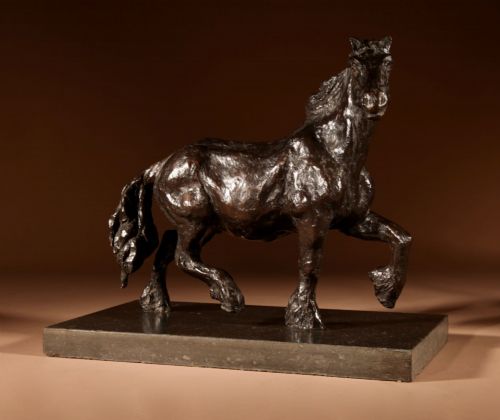


Heavy Bronze Animal
These heavy bronze animal figures combine substantial weight with careful sculptural detail, offering solid desk ornaments, bookends, and standalone sculptures for the collector.
Heavy Bronze Animal
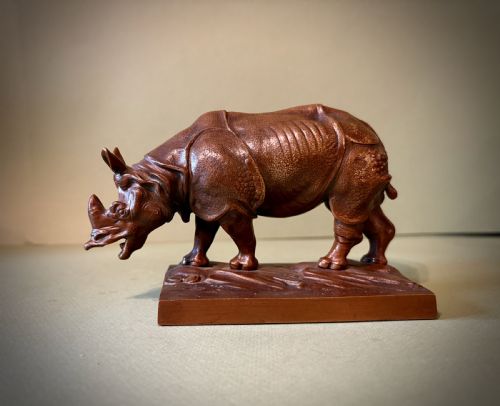
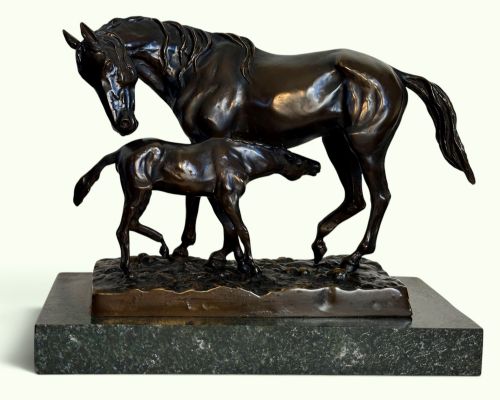
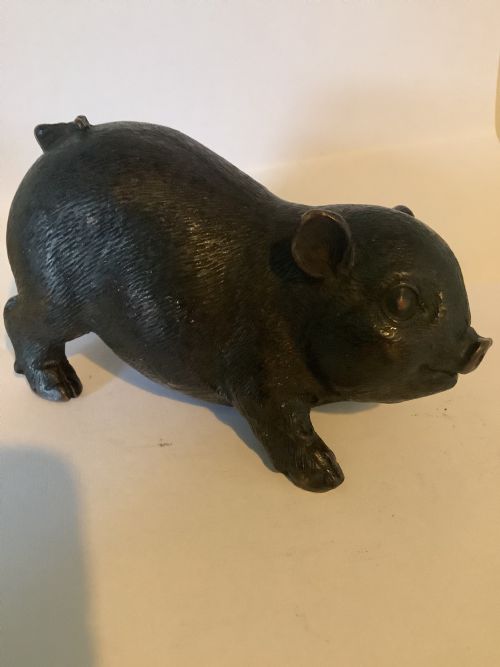
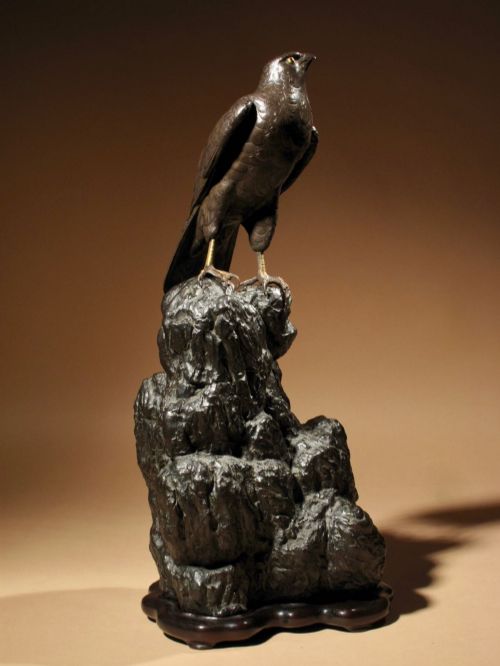
When searching for a heavy bronze animal, a buyer encounters a diverse range of figures spanning the nineteenth century through the mid twentieth century. The selection encompasses sculptural models of dogs, horses, bears, and birds, often functioning as practical desk accessories such as bookends and inkwells alongside pure sculptures.
The pieces on this page originate from European workshops, British makers, and Asian sources including Qing Dynasty China and Meiji period Japan. Animalier subjects dominate the offerings, capturing realistic or stylized anatomy through substantial metal casting.
How they were made
Makers utilised traditional metal casting techniques, producing solid forms often paired with marble bases, stone, or wooden mounts to increase their overall weight and stability. Many examples display applied patinas, ranging from dark metallic tones to cold painted polychrome surfaces.
Certain items combine cast iron foundations with a bronze finish patina, while others employ hot cast bronze or traditional cold painting methods. Surface detailing relies on manual chasing and finishing after the primary cast cools.
Heavy Bronze Animal Retail Price Guide 2026
Typical asking prices for heavy bronze animal among the pieces listed under this phrase on Sellingantiques today, from the lower quarter to the upper quarter. They describe what is for sale here now, not the wider market.
Several heavy bronze animals double as functional desk companions, ready to hold your stationery or guard your bookshelf.
What varies in quality
The definition in the casting separates standard production items from superior works, particularly in how sharply musculature, fur, and facial expressions are rendered. Finer sculptures retain crisp detail without softening during the finishing process.
The quality of the patina and the integrity of any associated marble or stone base significantly influence the character of the object. Weight distribution and proportion also dictate the success of functional forms like bookends and inkwells.
C Omin·Franze Bergman
The Heavy Bronze Animal Glossary
- Animalier
- A nineteenth-century artistic movement and style focused on the realistic depiction of animals, particularly in sculpture. Practitioners studied animal anatomy extensively at menageries.
- Cold painted
- A technique where bronze figures are painted with cold enamel colours rather than being fired in a kiln. This finish is vulnerable to scratching and cleaning over time.
- Patina
- The surface coloration and sheen acquired by bronze through age, or applied artificially by the maker using chemicals. A stable patina protects the underlying metal.
- Chasing
- The manual process of refining and detailing a metal casting using hammers and punches after it leaves the mould. It removes casting flaws and sharpens surface textures.
- Hot cast bronze
- A traditional method where molten bronze is poured into a mould, distinct from cold cast processes that use resin mixed with bronze powder.
Heavy Bronze Animal: Frequently Asked Questions
How do I clean a bronze animal?
Dust the surface gently with a soft, dry cloth to remove accumulated particles without disturbing the underlying finish.
Avoid using water, chemical polishes, or abrasive cleaners, as these substances strip historical patinas and damage the metal.
What is an animalier sculpture?
An animalier sculpture is a nineteenth-century artwork focused primarily on realistic or dynamic representations of animals in motion or repose.
These pieces capture the natural behaviour and anatomy of wildlife and domestic creatures through skilled metal casting.
Why are some bronze animals heavy?
Many of these pieces are cast as solid metal forms or incorporate dense stone and marble plinths to provide structural stability.
This substantial mass allows certain figures to function effectively as bookends or desk weights.
How do I identify the period?
Stylistic indicators such as Art Deco streamlining or Victorian naturalism offer initial clues to the date of manufacture.
Maker signatures, casting methods, and accompanying materials like specific marbles further help narrow down the production era.