



Heavy Brass Stick Stand
These heavy brass stick stand examples bring solid Victorian metalwork and hall furniture into your interior, offering both function and substance.
Heavy Brass Stick Stand
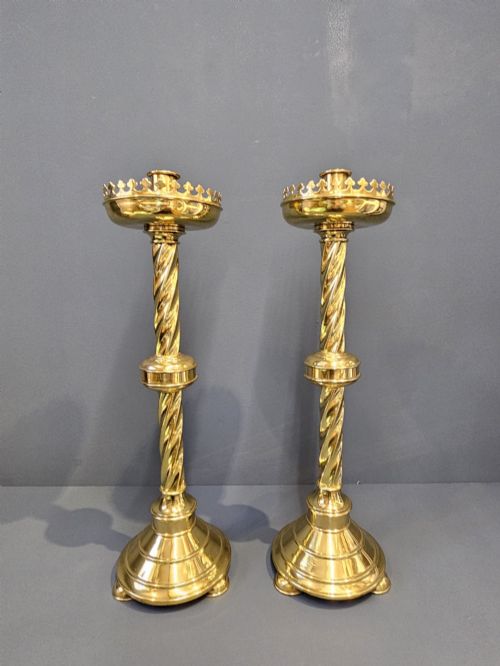
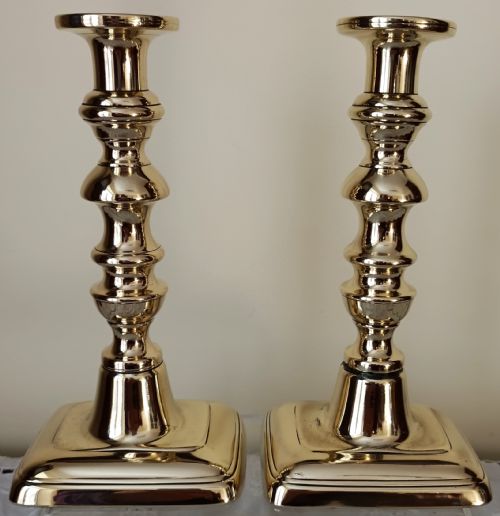
When searching for a heavy brass stick stand, you encounter pieces spanning the Victorian and Edwardian eras, predominantly taking the form of robust brass candlesticks alongside circular umbrella and hall stands. These items combine durable cast metals with practical household utility, reflecting the functional needs of nineteenth-century hallways and rooms.
The current selection leans heavily towards tall brass candlesticks and structural hall stands, sometimes incorporating oak or cast iron alongside the primary brass material. Buyers frequently find matching pairs or large single columns dating from the late nineteenth century up to 1900.
How they were made
Maker workshops utilised solid brass casting and turning techniques to create substantial, weight-bearing forms designed for daily household use. Heavier examples often integrated cast iron bases or structural oak elements to ensure stability.
Casting methods of the period produced thick-walled sockets and weighted bases, while secondary materials like oak provided a robust framework for combined hat and coat stands.
Heavy Brass Stick Stand Retail Price Guide 2026
Typical asking prices for heavy brass stick stand among the pieces listed under this phrase on Sellingantiques today, from the lower quarter to the upper quarter. They describe what is for sale here now, not the wider market.
The listings show items spanning the Victorian era, 1890, and Edwardian periods, constructed from brass, oak, and cast iron.
What varies in quality
The distinction between standard production items and superior pieces rests on the weight of the metal, the crispness of the turned details, and the structural integrity of mixed-material combinations. Heavier castings and well-defined mouldings separate the finer workshops from simpler commercial output.
Proportion and material purity dictate the overall standard, with fully brass-constructed pieces and those bearing clear maker attribution standing apart from generic alternatives.
J.T. & Co·T Thomason & Co
The Heavy Brass Stick Stand Glossary
- Victorian
- Belonging to the reign of Queen Victoria, generally spanning the nineteenth century and encompassing diverse stylistic revivals. This period defined much of the heavy metalware and hall furniture found in domestic settings.
- Cast iron
- An iron-carbon alloy poured into moulds to create rigid structural components. It frequently forms the heavy weighted base of umbrella and stick stands.
- Edwardian
- Pertaining to the period from 1901 to 1910, following the Victorian era. Pieces from this time often refine earlier heavy forms while retaining solid construction.
- Hall stand
- A piece of furniture placed in an entranceway for coats, hats, and walking sticks. These items frequently combine wood, brass, and cast iron elements.
Heavy Brass Stick Stand: Frequently Asked Questions
What is a heavy brass stick stand?
These pieces comprise sturdy nineteenth-century hall furniture and large candlesticks constructed from solid brass, often paired with cast iron or oak.
They served practical purposes in domestic interiors, holding umbrellas, walking sticks, or candles with substantial physical presence.
How do I date a heavy brass stick stand?
Dating relies on stylistic markers from the Victorian and Edwardian periods, alongside construction methods typical of the late nineteenth century.
Maker marks and specific casting techniques also help establish the exact era of manufacture.
Where were these pieces used?
Such items traditionally stood in entrance halls, corridors, and principal rooms of Victorian and Edwardian homes.
Their weight and durable materials suited high-traffic areas where guests left coats and walking sticks.
How do I care for brass furniture?
Maintenance involves dusting with a soft cloth and occasionally cleaning the metal surface using appropriate non-abrasive polishes.
Preserving the natural patina often appeals to collectors who value the aged appearance of nineteenth-century brass.