



Heavy Brass Dog
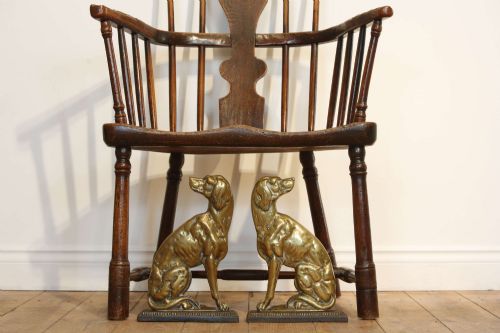
A heavy brass dog brings substance to a hearth, offering both sculptural weight and the practical utility of a traditional firedog.
Heavy Brass Dog
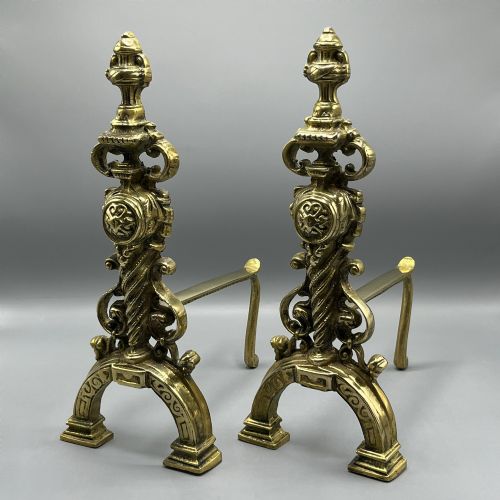
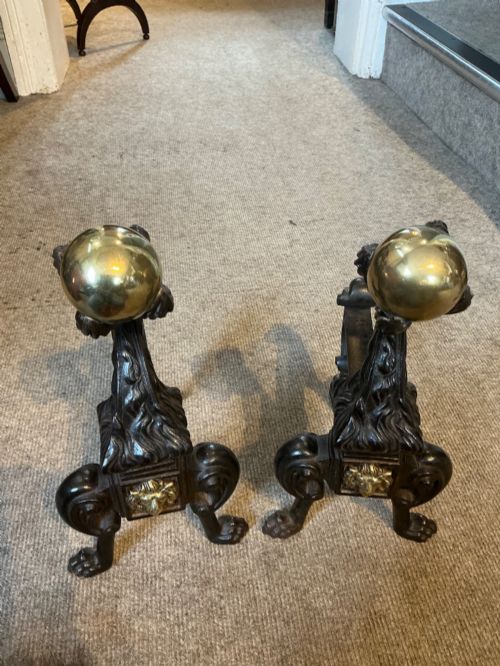
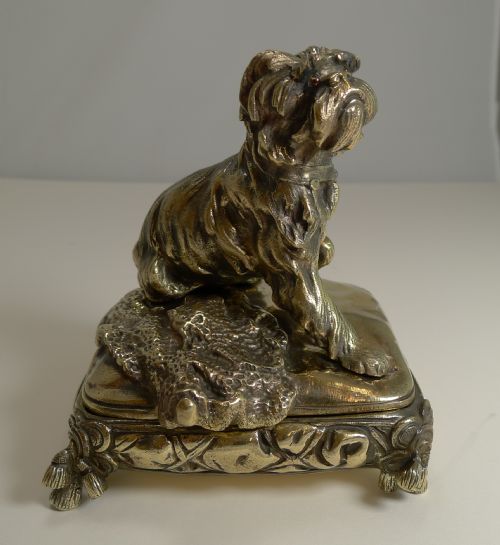
A heavy brass dog functions primarily as an andiron or firedog to support logs within a fireplace, whilst occasionally appearing in doorstop and decorative box forms. These pieces anchor the hearth with substantial metalwork designed to endure intense heat and daily use.
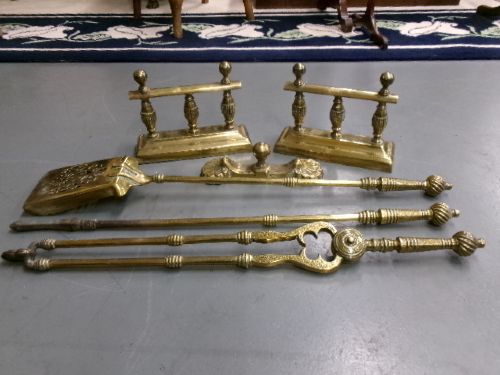
Victorian and nineteenth-century examples dominate the selections here, frequently taking ornate or monumental proportions. Buyers encounter pairs cast with considerable heft, often paired with matching fire tools or grates.
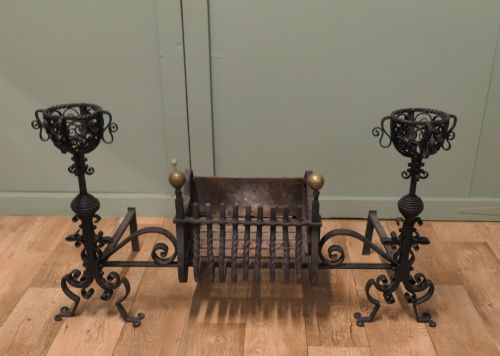
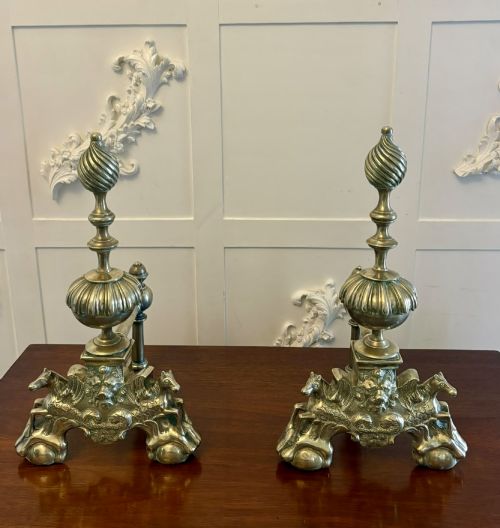
Stylistic variation spans from robust Gothic and seventeenth-century revivals to Dutch Baroque and Arts and Crafts interpretations. Each design reflects the Victorian appetite for historicist metalwork adapted for domestic hearths.
How they were made
Foundries utilised traditional sand-casting techniques to shape solid and cast brass into intricate, weighty forms. Molten metal poured into moulds allowed artisans to achieve deep relief work and substantial structural thickness.
Wrought iron and cast iron frequently reinforced the working components of fire dogs and grates, providing the necessary tensile strength where brass served the decorative frontispiece. Gilt finishes occasionally provided a brighter surface layer to catch the firelight.
Heavy Brass Dog Retail Price Guide 2026
Typical asking prices for heavy brass dog among the pieces listed under this phrase on Sellingantiques today, from the lower quarter to the upper quarter. They describe what is for sale here now, not the wider market.
Materials recorded across the inventory include solid brass, cast iron, wrought iron, and gilt brass elements.
What varies in quality
The refinement of the casting separates standard production from exceptional work, visible in the crispness of ornamentation and the depth of relief. Superior pairs show careful hand-finishing after casting, removing mould seams and sharpening botanical or architectural details.
Substance and balance dictate the physical presence of the piece, with heavier gauge metal providing greater stability on the hearth. The integration of structural iron components with decorative brass housing demonstrates the maker's commitment to durability.
The Heavy Brass Dog Glossary
- Andiron
- A metal support for firewood in a fireplace, typically used in pairs to keep logs elevated for better airflow. They often feature an ornate decorative front facing the room.
- Fire Dog
- An alternative term for an andiron, named for the upright billet bars that historically resembled resting hounds. They provide stability to the burning logs.
- Door Porter
- A heavy decorative weight designed to hold interior doors open, frequently executed in cast brass or iron matching hearth accessories. These incorporate a handle at the top for lifting.
- Gilt Brass
- Brass treated with a thin layer of gold or gold-coloured wash to enhance surface brilliance. This treatment resists tarnishing and heightens ornamental contrast.
- Arts and Crafts
- A design movement prioritising honest construction, visible hand-craftsmanship, and simple utility over excessive Victorian ornamentation. Objects from this style display restrained forms and functional integrity.
Heavy Brass Dog: Frequently Asked Questions
How were fire dogs used?
Fire dogs stood within the hearth to elevate logs off the floor, allowing air to circulate beneath the fire for a cleaner burn. Their decorative fronts also shielded the masonry and added architectural presence to the room.
Over time, pairs became central decorative elements of the Victorian fireplace, often matched with fire irons and grates to create a unified hearth display.
Can I use these with a modern fire?
Solid brass and cast iron fire dogs are built to withstand high temperatures, making them suitable for active wood-burning hearths. However, homeowners should check the dimensions and weight capacity against their specific grate and fireplace opening.
For gas or decorative hearths, these pieces serve primarily as aesthetic anchors that replicate traditional nineteenth-century arrangements.
How do I date a brass dog?
Dating relies on examining the casting quality, fastener types, and stylistic vocabulary, such as Victorian Gothic Revival or Dutch Baroque motifs. Nineteenth-century examples often exhibit heavier gauge brass and hand-finished chasing that differs from later reproductions.
Associated items like companion sets or registry marks can further help narrow the period of manufacture.
How do I clean heavy brass?
Routine maintenance requires only a soft cloth to remove dust and soot accumulation from regular fireplace use. Harsh chemical polishes should be avoided to preserve the natural historic patina that develops over decades.
Gentle washing with warm soapy water is sufficient for heavier grime, followed by thorough drying to prevent spotting.