






Heart Shaped Trinket
Heart shaped trinket pieces are charming receptacles for small valuables, bringing tactile nineteenth and early twentieth century craftsmanship straight to your dressing table.
Heart Shaped Trinket
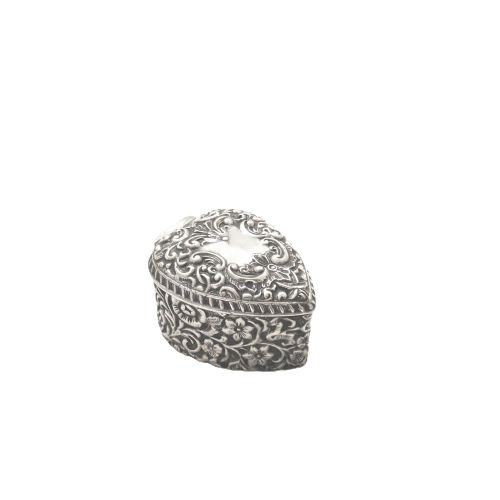
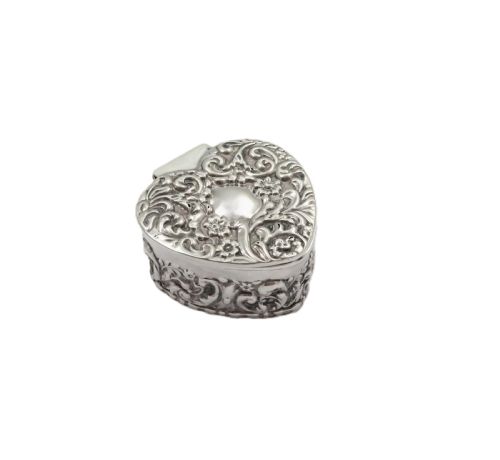
When you search for a heart shaped trinket, you are looking at small containers and dishes designed to hold rings, pins, and small keepsakes. These domestic items span the Victorian, Edwardian, and George V periods, reflecting the tastes of late nineteenth and early twentieth century households.
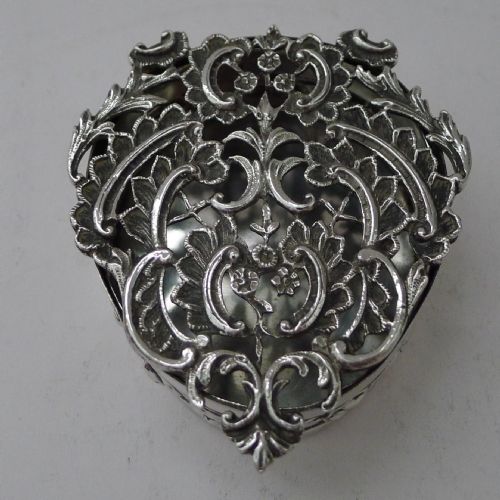
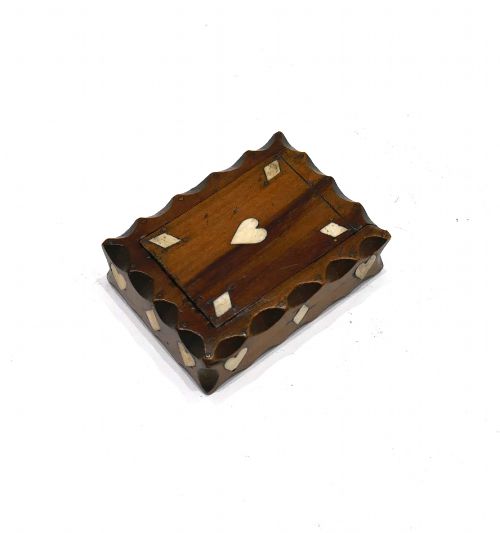
The version you are most likely to meet on this page is a sterling silver trinket box, often hallmarked from Birmingham or London. Alongside these silver boxes, the listings show cut glass containers with silver tops, dark blue Wedgwood jasperware, and fruitwood treen inlaid with bone.
These pieces served as intimate dressing table accessories or pocket receptacles for pills and snuff. Their distinctive form makes them collected items today, offering a tangible connection to nineteenth century design.
Assessing quality in heart shaped pieces
The quality of these items rests on the crispness of the metalwork, the weight of the sterling silver, and the depth of the glass cutting. Superior boxes feature tightly closing hinges, secure catches, and clear hallmarks that identify the maker and assay office.
In ceramic and treen examples, quality shows in the precision of the bone inlay and the sharpness of the moulded stoneware relief. Pieces with intact, unblemished interiors and well-preserved surface detail stand apart from heavily worn specimens.
Heart Shaped Trinket Retail Price Guide 2026
Typical asking prices for heart shaped trinket among the pieces listed under this phrase on Sellingantiques today, from the lower quarter to the upper quarter. They describe what is for sale here now, not the wider market.
Listings span the Victorian, Edwardian, and George V periods, featuring sterling silver, cut glass, fruitwood, and dark blue Wedgwood jasperware.
William Comyns
The Heart Shaped Trinket Glossary
- Sterling silver
- A silver alloy containing 92.5 percent pure silver by mass, standard for British silver items of the Victorian and Edwardian eras. This material forms the primary body of most silver boxes on this page.
- Treen
- Small handmade wooden objects for domestic use. Fruitwood examples often feature decorative inlay.
- Jasperware
- A fine-grained, unglazed stoneware developed by Wedgwood, typically showing white relief figures against a dark blue background.
- Hallmark
- An official stamp applied to precious metals in Britain to indicate the standard of purity, the assay office, and the year of manufacture.
- Pot pourri box
- A small container with a pierced or perforated lid designed to diffuse the scent of dried flower petals and spices.
Heart Shaped Trinket: Frequently Asked Questions
What were heart shaped trinket boxes used for?
These small containers held rings, pins, and other small items of jewellery on dressing tables. People also carried smaller versions in pockets for pills or snuff.
Their intimate scale made them popular gifts for romantic occasions during the Victorian and Edwardian periods.
How do I date an antique silver heart box?
You date these pieces by reading the hallmarks stamped onto the silver. These marks indicate the assay office, such as Birmingham or London, and include a letter code for the specific year.
Comparing the style of decoration also helps place the piece within the Victorian, Edwardian, or George V eras.
Are all heart shaped trinket dishes made of silver?
While silver boxes form a large share of the listings, makers used several other materials. You will find cut glass containers with silver lids, dark blue Wedgwood stoneware, and fruitwood treen inlaid with bone.
Each material brings a different texture and weight to the heart shape.
How should I clean my antique silver trinket box?
Clean sterling silver gently with a soft microfiber cloth and a mild, non-abrasive silver polish when necessary. Avoid harsh scrubbing that might wear down delicate embossed details or chased patterns.
Keep moisture away from lined interiors and hinges to preserve the condition of the box.