



Heart Shaped Silver
Heart shaped silver brings together sentiment and utility in small boxes, frames, and personal accessories crafted during the Victorian and Edwardian eras.
Heart Shaped Silver
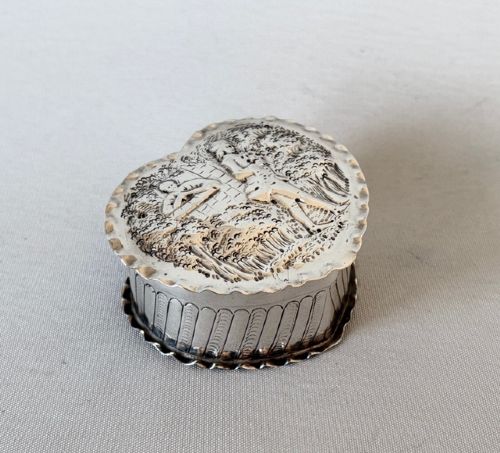
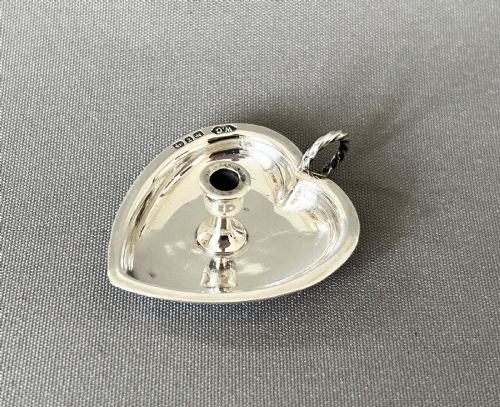
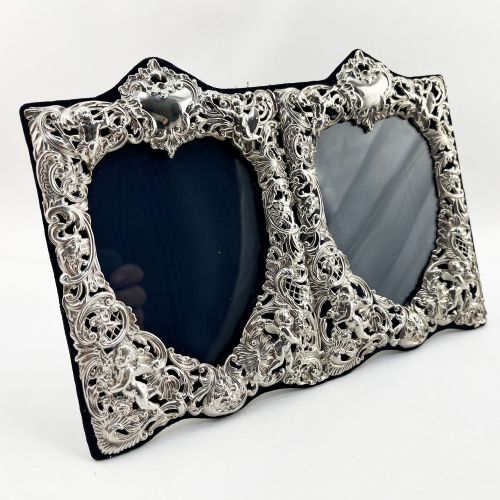
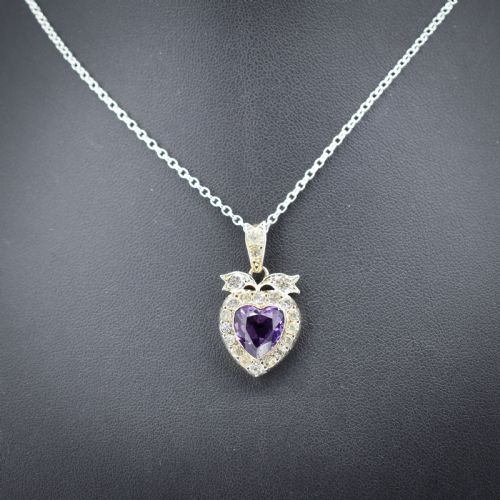
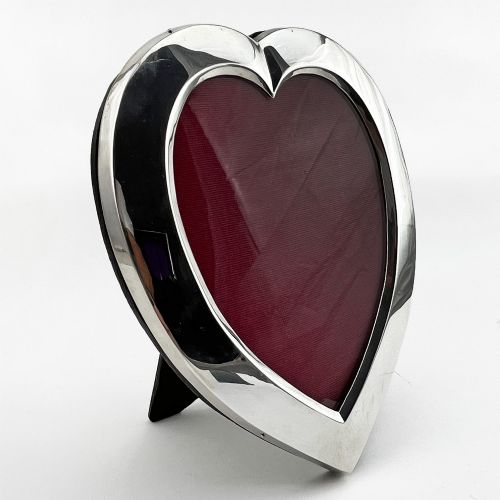
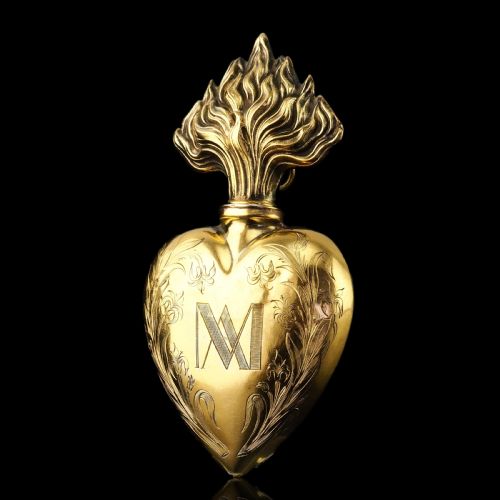
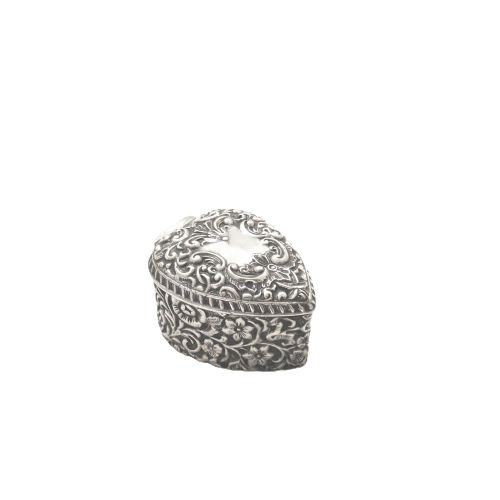
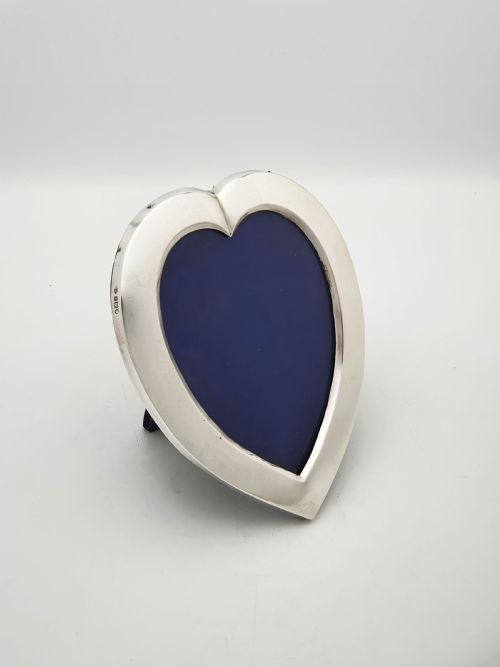
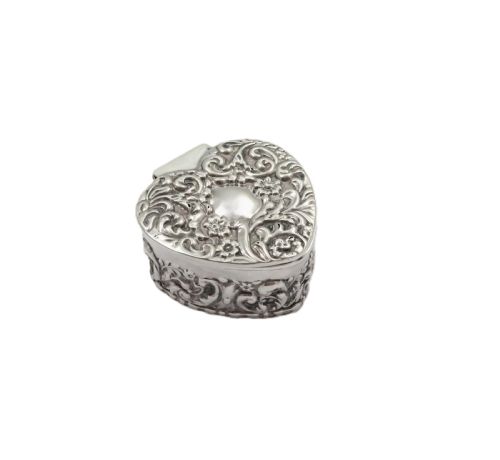
Heart shaped silver comprises small containers, picture frames, and personal items made primarily during the Victorian, Edwardian, and George V periods. The most common forms met on this page are trinket boxes and photograph frames, often produced in sterling silver.
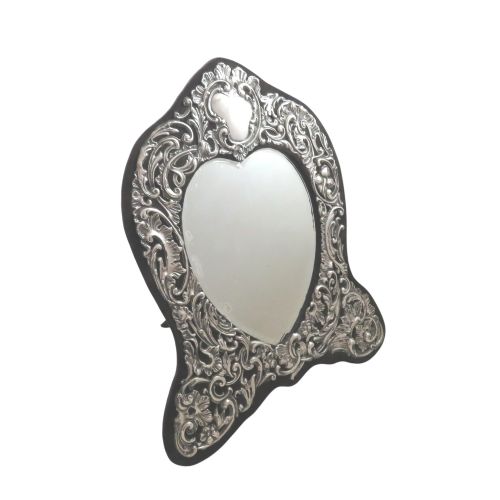
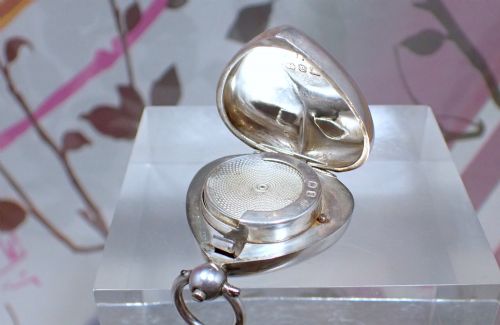
Makers adapted the contour for vanity items including scent bottles, pill boxes, vesta cases, and dressing table mirrors. Styles range from plain Victorian Rococo Revival curves to flowing Art Nouveau motifs.
Geographic origins span English assay offices in London, Birmingham, and Chester, alongside French workshops and Anglo-Indian production. Items frequently combine sterling silver with velvet, glass, or cut crystal.
Materials and construction
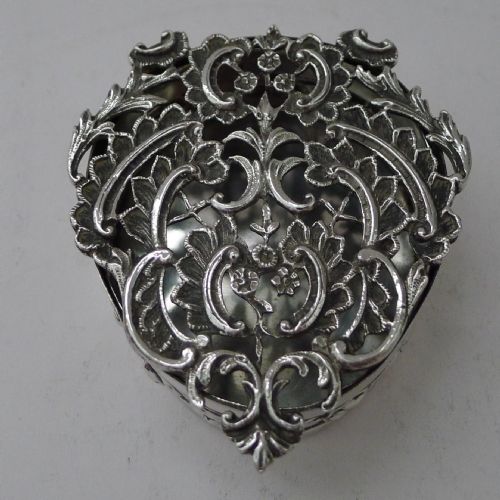
Silversmiths shaped sterling silver sheet through pressing, stamping, and hand-chasing to form the distinctive contours. Pierced work and embossed scrolling foliage appear frequently on boxes and frames.
Containers integrate interior linings of velvet or fabric, while glass and cut crystal bodies receive silver collars and hinged lids. Gilt finishes, known as vermeil, add interior or total gold coating to specific pill boxes and scent flasks.
Heart Shaped Silver Retail Price Guide 2026
Typical asking prices for heart shaped silver among the pieces listed under this phrase on Sellingantiques today, from the lower quarter to the upper quarter. They describe what is for sale here now, not the wider market.
Object forms range from small pill boxes and vesta cases to large dressing table mirrors and photograph frames measuring over thirty centimetres.
Assessing quality in silver
Quality rests upon the crispness of the chased decoration and the structural integrity of the hinges and clasps. Thicker silver gauge resists denting, maintaining the sharp definition of the heart outline over decades of handling.
Maker marks and clear assay office hallmarks contribute significantly to the standing of a piece. Finer examples display meticulous detailing in piercing, internal gilding, and the integration of glass or crystal bodies.
William Comyns·Sampson Mordan·Syner and Beddoes·George W Shiebler
The Heart Shaped Silver Glossary
- Sterling silver
- An alloy containing 92.5 percent silver by mass, forming the primary metal standard for these pieces.
- Vermeil
- Sterling silver plated with a thin layer of gold, often found on the interiors of small boxes and scent bottles.
- Vesta case
- A small pocket box designed to hold matches, frequently fashioned into heart contours during the late nineteenth century.
- Assay office
- An official body that tested precious metals and stamped items with hallmark symbols indicating purity and origin.
- Chasing
- A metalworking technique where the silversmith hammers patterns into the front surface without removing material.
Heart Shaped Silver: Frequently Asked Questions
What items are made in heart shaped silver?
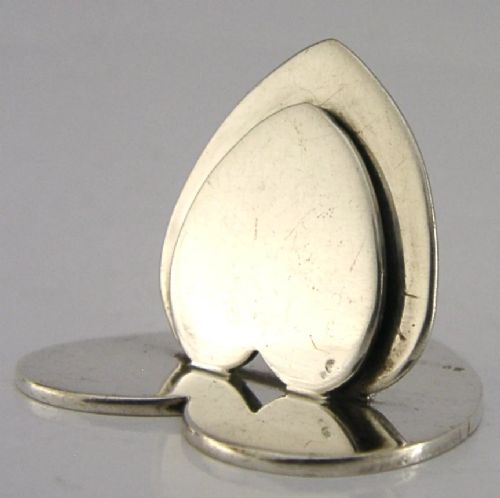
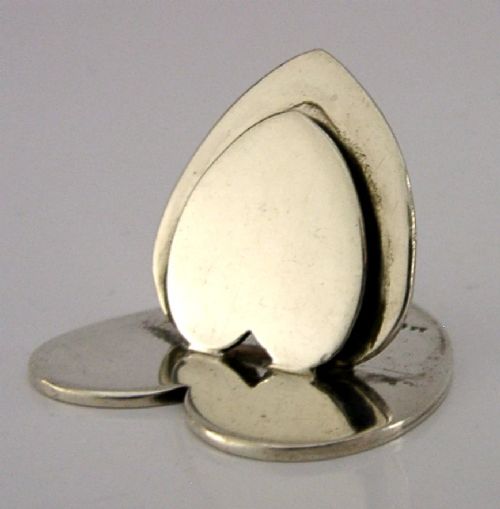
The category includes trinket boxes, photograph frames, menu holders, scent bottles, and pill boxes. These objects date predominantly from the late nineteenth and early twentieth centuries.
Silversmiths also applied the motif to dressing table mirrors, vesta cases, and sovereign holders. Most pieces utilise sterling silver combined with glass, velvet, or crystal.
How do I date a silver heart box?
Dating relies on the hallmarks stamped into the metal by official assay offices in cities such as London, Birmingham, and Chester. These marks include date letters that correspond to specific years of production.
Stylistic indicators also help, as fluid asymmetrical lines point towards Art Nouveau pieces from the early nineteen-hundreds. Heavier embossed scrolling typically aligns with late Victorian manufacturing.
Were these items used daily?
Yes, many were functional objects intended for dressing tables, desks, and evening wear. Pill boxes, vesta cases, and chatelaine trinkets served practical daily purposes for Victorian and Edwardian owners.
Larger photograph frames and mirrors held portraits of family members in domestic interiors. Menu holders functioned during formal dining events.
How should I clean antique silver?
Antique silver requires gentle cleaning with a soft cloth and a reputable silver polish formulated for historic metals. Care must be taken around embossed details, hallmarks, and velvet or glass inserts.
Avoid harsh chemical dips that strip the natural patination built up over decades of existence. Regular dusting with a microfiber cloth keeps tarnish under control without abrasive wear.