



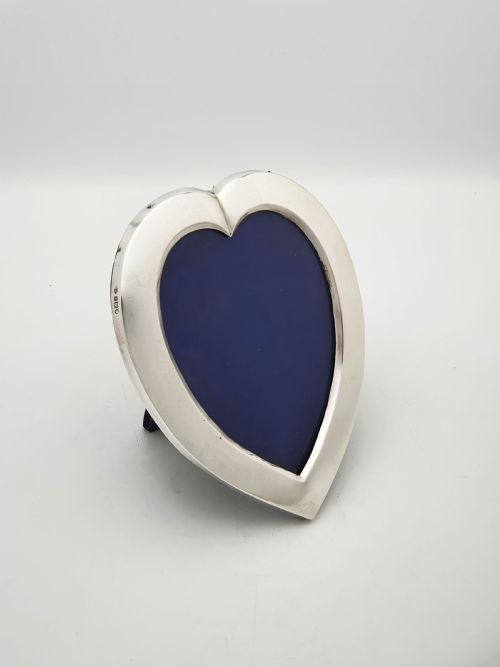


Heart Shaped Frame
These heart shaped frame pieces bring romance and intimacy to a room, offering a charming way to display cherished portraits.
Heart Shaped Frame
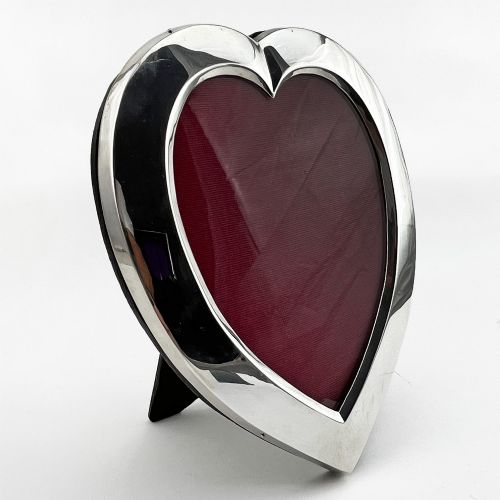
When you search for a heart shaped frame, you are looking at domestic display pieces designed to hold personal photographs or reflect light as mirrors. These objects range from tabletop photo holders to larger wall-hanging overmantel mirrors.
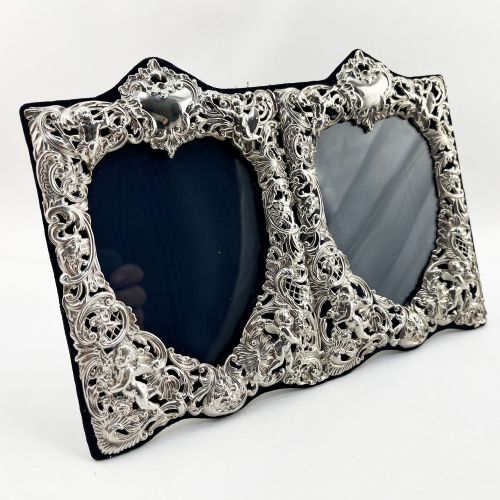
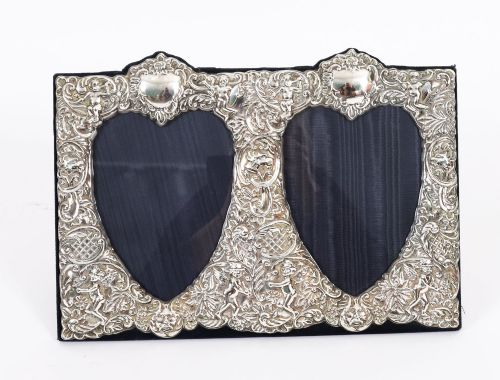
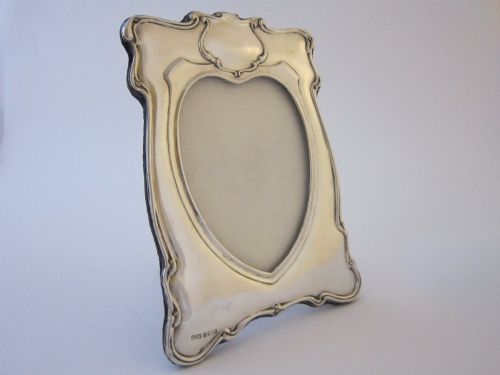
You are most likely to meet silver photograph frames from the late nineteenth and early twentieth centuries on this page. The selection draws heavily from Victorian and Edwardian periods, alongside occasional larger mirrors framed in black lacquer or ebonised wood.
The forms vary from simple domestic desk accessories to double frames and large vanity pieces. They were made to sit upon dressing tables, mantelpieces, and parlour sideboards as tokens of affection.
How they were made
The metal examples utilise sterling silver, frequently shaped into intricate repoussé patterns by skilled silversmiths. These frames often incorporate wooden backs lined with fabric, silk, or velvet to support the glass viewing window.
Alternative forms employ wood, ebonised wood, and black lacquer to create structured surrounds for mirror glass. The construction relies on traditional joinery and fitted backings to secure the glass securely within the curved perimeter.
Heart Shaped Frame Retail Price Guide 2026
Typical asking prices for heart shaped frame among the pieces listed under this phrase on Sellingantiques today, from the lower quarter to the upper quarter. They describe what is for sale here now, not the wider market.
What varies in quality
The distinction between ordinary and superior examples lies in the crispness of the metalwork and the depth of the repoussé detail. Finer pieces retain sharp definition in their decorative motifs without excessive thinning of the silver from polishing.
The integrity of the backing materials also dictates the standard of the piece. Original velvet or wooden supports that remain intact add considerably to the character and authenticity of the object.
William Comyns·Syner and Beddoes
The Heart Shaped Frame Glossary
- Repoussé
- Metalwork technique where the design is hammered into relief from the reverse side. This method creates the raised floral and scroll patterns seen on many silver frames.
- Ebonised wood
- Timber treated to resemble ebony, typically through staining and polishing. It provides a dark, glossy contrast to reflective glass.
- Sterling silver
- An alloy of silver containing parts of other metals for durability. British pieces bear hallmarks indicating their standard and year of assay.
- Overmantel mirror
- A large mirror designed to hang directly above a fireplace mantel. Some variations incorporate curved mirror shapes within larger wooden structures.
Heart Shaped Frame: Frequently Asked Questions
What are heart shaped frames made from?
These items are principally constructed from sterling silver, glass, and velvet. Other variations incorporate wood, ebonised wood, and black lacquer.
The metal examples rely on silver smithing techniques, while the mirror and wooden pieces utilise traditional cabinet-making materials to form the distinctive silhouette.
How were these frames used?
They were used on dressing tables, mantelpieces, and desks to display photographs of loved ones. Larger variants functioned as vanity mirrors or decorative wall pieces.
Their romantic shape made them popular gifts for engagements, weddings, and anniversaries during the Victorian and Edwardian eras.
How do I date a silver frame?
Dating relies upon the hallmarks stamped into the sterling silver. These marks indicate the assay office, the maker, and the specific year of manufacture.
Stylistic clues such as floral repoussé work or flowing Art Nouveau lines also help determine whether a piece belongs to the Victorian or Edwardian period.
How do I clean antique silver?
Silver requires gentle cleaning with a soft cloth and specialised polish to preserve the delicate repoussé details. Aggressive rubbing can wear away the thin metal relief.
Original velvet or fabric backing materials should be kept dry and protected from moisture during any maintenance.