




Heart Shaped Dish
These heart shaped dish examples combine sentimental form with practical utility, offering collectors charming receptacles for small valuables.
Heart Shaped Dish
A heart shaped dish takes many forms across the inventory, ranging from dedicated trinket boxes to serving dishes and ring boxes. These items serve primarily as small containers for keepsakes, dressing table accessories, or decorative tabletop accents.
Makers in the evidence utilised diverse materials to shape this silhouette, producing variants in dark blue jasperware, tin-glazed earthenware, and silver plate. Buyers often find specialised dual compartments, such as double heart shaped dishes dating from the late nineteenth century.
How they were made
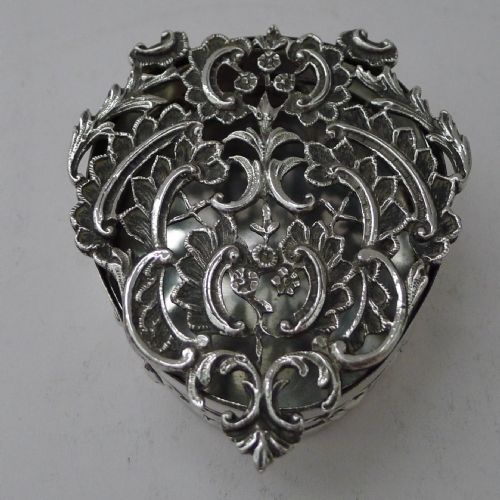
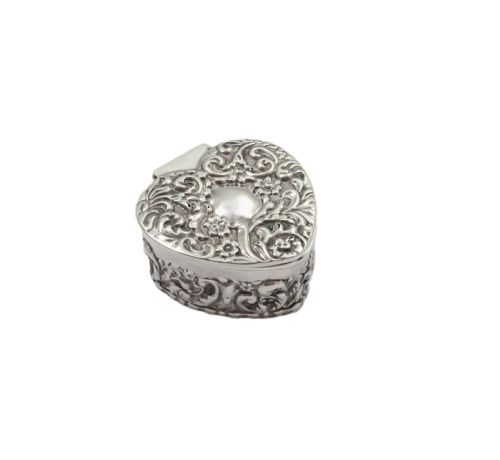
Silversmiths constructed metal boxes and dishes using sterling silver and silver plate, frequently incorporating hallmarks that record assay offices in cities like London and Birmingham. Artisans combined these metals with cut glass bodies, creating lidded vessels that reveal the contents within.
Ceramic pieces rely on earthenware, stoneware, and tin-glazed techniques, exemplified by eighteenth-century productions from German potteries. Wedgwood utilised jasperware methods to mould contrasting white reliefs against dark blue ceramic grounds.
Heart Shaped Dish Retail Price Guide 2026
Typical asking prices for heart shaped dish among the pieces listed under this phrase on Sellingantiques today, from the lower quarter to the upper quarter. They describe what is for sale here now, not the wider market.
Materials represented across the selection include sterling silver, silver plate, cut glass, tin-glazed earthenware, stoneware, and jasperware.
What varies in quality
The distinction between standard and superior pieces rests upon the crispness of the metal chasing, the precision of the silver hallmarks, and the clarity of the cut glass. Early examples demonstrate careful hand-forming in ceramic or metal, whereas mass-produced items show simpler decorative stamping.
Maker attribution elevates the standing of individual pieces, particularly when associated with recognised silversmiths like William Comyns or established potteries such as Dorotheenthal. The complexity of the vessel, such as double heart configurations or fitted pot pourri interiors, indicates higher manufacturing ambition.
William Comyns·Dorotheenthal Germany·Wedgwood
The Heart Shaped Dish Glossary
- Sterling silver
- An alloy containing ninety-two point five percent silver by mass, widely utilised for dressing table boxes and dishes across the Victorian and Edwardian periods.
- Jasperware
- A type of stoneware developed by Wedgwood, typically featuring matte white ceramic reliefs applied to a coloured ceramic background.
- Pot pourri box
- A lidded vessel designed to hold dried flower petals scented with spices, often featuring pierced work on the lid to release fragrance.
- Tin-glazed earthenware
- Pottery covered with a glaze containing tin oxide, which provides a white and opaque surface suitable for hand-painted decoration.
- Hallmark
- An official stamp applied to precious metals in Britain to guarantee purity, indicating the maker, assay office, and year of testing.
Heart Shaped Dish: Frequently Asked Questions
What were heart shaped dishes used for?
These vessels functioned primarily as dressing table accessories for holding rings, pins, and small trinkets. Some variants served as lidded boxes for pot pourri or as specialised serving dishes.
Victorian and Edwardian owners utilised them to keep delicate personal items secure and close at hand in domestic bedrooms and boudoirs.
How do I date a silver heart box?
Dating relies heavily upon the metal hallmarks stamped into the silver, which record specific assay office symbols and date letters for cities like London and Birmingham.
Stylistic cues such as late Victorian neoclassical motifs or Edwardian manufacturing traits also help narrow the decade of production.
Are all heart shaped boxes made of silver?
Silver and silver plate represent a large portion of the inventory, but makers also worked in ceramics, glass, and stoneware. Examples include dark blue jasperware and eighteenth-century German tin-glazed earthenware.
Cut glass bodies with silver tops combine two distinct materials into a single lidded container.
How should I display a ceramic heart dish?
Ceramic and glass vessels suit placement on wooden side tables, dressing chests, or within glass-fronted display cabinets. Their small scale allows them to sit comfortably alongside larger decorative objects.
Keeping them away from direct sunlight preserves the rich tones of dark blue jasperware and prevents unnecessary wear.