


Heals Wooden Table
A heals wooden table brings sturdy craftsmanship and clean utility into a room, spanning dining pieces, desks, and occasional furniture.
Heals Wooden Table
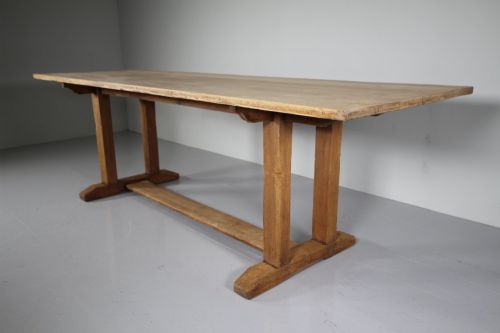
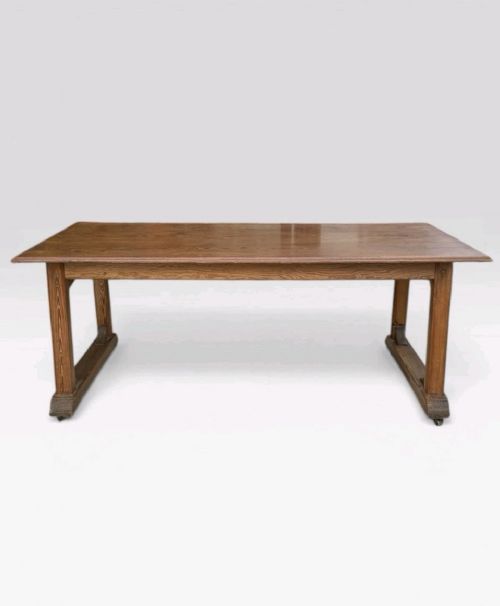
When searching for a heals wooden table, buyers encounter pieces originating primarily from the early twentieth century, including the Edwardian era, the nineteen-twenties, and the nineteen-thirties. These items reflect the functional ethos associated with the maker, ranging from refectory dining tables to smaller coffee and side tables.
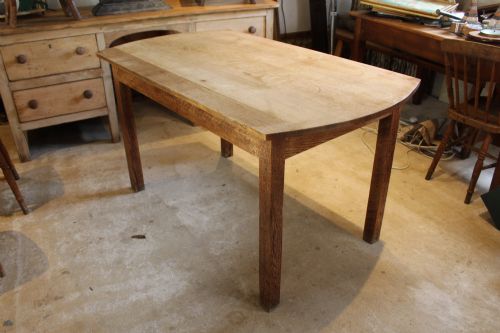
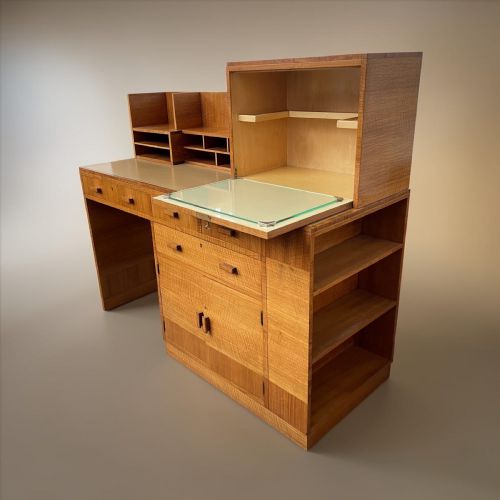
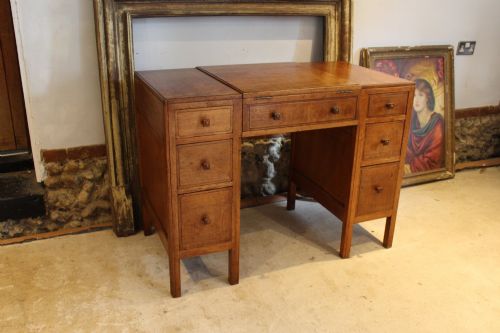
The selection on this page centres heavily on oak and solid timber constructions, often associated with Arts and Crafts or Art Deco design movements. Dining tables and desks predominate, alongside occasional nests and bedside cabinets bearing the maker's stamp or distinct regional styling.
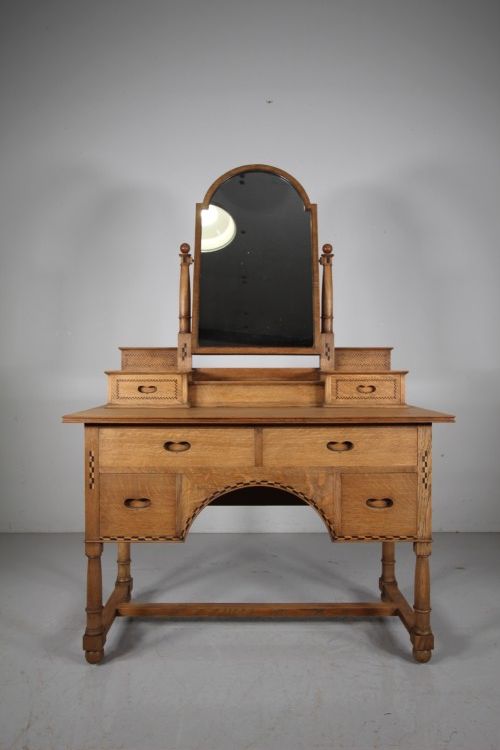
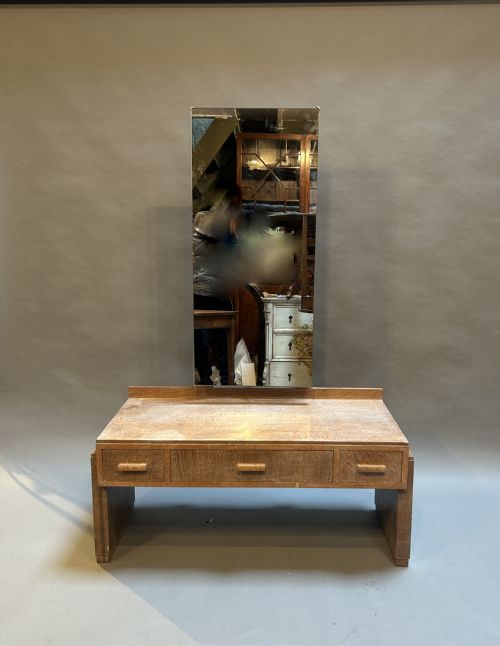
Many examples adhere strictly to plain, unpretentious forms where the natural grain of the wood provides the primary ornament. Buyers are most likely to meet sturdy oak refectory tables and dressing furniture carrying the characteristic clean lines of the firm.
What varies in quality
The distinction between standard commercial output and the finest work lies in the choice of timber, such as selected quarter-sawn oak, and the crispness of the joinery. Labelled or stamped pieces by the firm command greater interest because the mark confirms the origin and standard of workshop production.
Proportion and restraint separate superior examples from plainer items, as the best pieces achieve balance through simple geometry rather than applied ornamentation. The integrity of the original wood finish and the retention of authentic brass hardware also influence the standing of each piece.
Heal and Sons
The Heals Wooden Table Glossary
- Refectory table
- A long, narrow dining table originally used in monastic dining halls and later revived by Arts and Crafts makers. These tables feature stretcher rails running between the legs for added stability.
- Arts and Crafts
- A design movement spanning the late nineteenth and early twentieth centuries that prioritised traditional craftsmanship and simple forms. It rejected mass production in favour of visible, honest construction.
- Art Deco
- A style prevalent in the nineteen-twenties and nineteen-thirties characterised by sleek geometric shapes, stylised motifs, and modern materials. Furniture from this period balances functional utility with sophisticated modernism.
- Quarter-sawn oak
- Timber cut radially from the log, producing a distinct and decorative grain pattern often called medullary rays. This method yields more stable boards that resist warping.
- Dressing chest
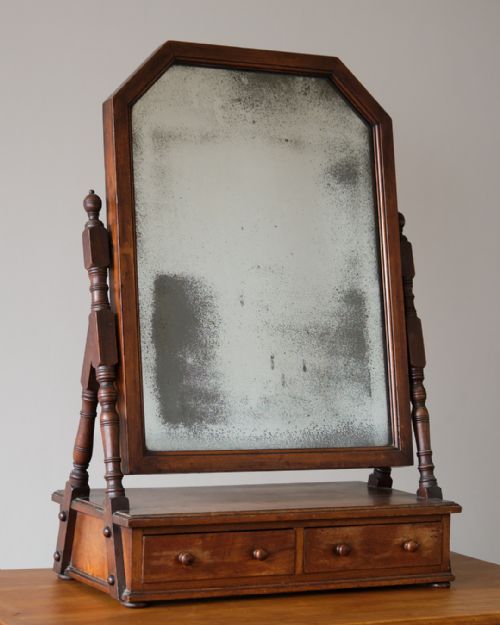
- A low chest of drawers equipped with an attached or pivoting mirror, popular in Edwardian and later domestic interiors. These items combine storage utility with personal grooming space.
Heals Wooden Table: Frequently Asked Questions
What is a heals wooden table?
A heals wooden table is a piece of furniture produced or retailed by the London firm Heal & Sons, known for straightforward construction and quality timbers like oak. These tables range from large dining refectories to compact coffee tables.
The firm championed functional design, meaning the pieces avoid excessive ornamentation in favour of clean lines and honest materials that suit modern interiors.
How can I date a heals table?
Dating relies on stylistic clues, construction methods, and the presence of paper labels, stamps, or maker's marks on the timber. Pieces from the Edwardian period often show Arts and Crafts influence, while nineteen-thirties examples lean towards Art Deco geometry.
Examining the underside and drawer construction helps determine whether a piece belongs to the early twentieth-century production era or later decades.
Were these tables made only from oak?
While oak is the dominant wood seen in these listings, workshops also utilised elm, mahogany, and mixed timber frames. The choice of wood depended on the specific function of the table and the prevailing design style of the decade.
Solid oak was preferred for refectory and dining furniture due to its durability, while decorative veneers appeared on later Art Deco desks and dressing chests.
How do I care for a vintage wooden table?
Maintenance involves keeping the timber away from direct heat sources and excessive moisture to prevent the wood from drying out or warping. Regular dusting with a soft, dry cloth preserves the finish without building up heavy wax residues.
Applying a mild beeswax polish occasionally helps nourish older timber surfaces and maintains their natural lustre over years of daily use.