





Hat Display Stand
These hat display stand pieces hold millinery for trade and dressing rooms, bringing structure and historical character to any interior.
Hat Display Stand
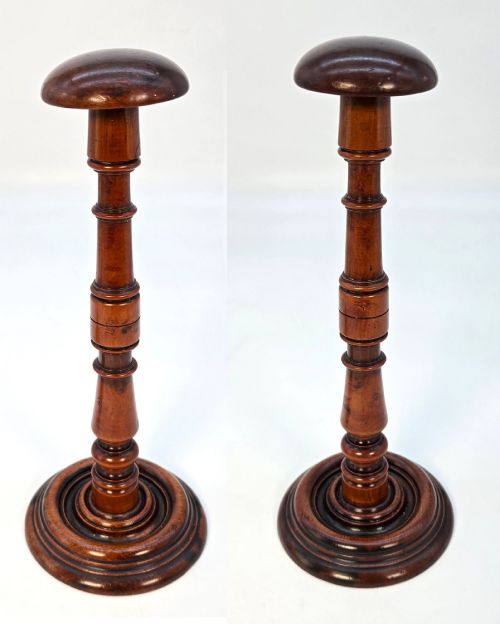
A hat display stand encompasses a practical category of items designed to support headwear, wigs, and millinery items. When searching this phrase, buyers encounter various forms ranging from Georgian wig stands to industrial haberdashery and shop display pieces.
The most common examples on this page span the late nineteenth century through to the art deco period, often utilising timber or metal configurations. Pieces include wig stands, hat blocks, stretchers, and specialised holders for hatpins.
Origins stretch from English workshops to French provincial makers, reflecting both domestic dressing room accessories and commercial shop fittings. Material choices range from fruitwood and oak to cast iron and brass.
Judging quality in hat display stand examples
Quality rests upon the integrity of the material and the precision of the turning or carving, separating utilitarian shop fittings from finer decorative objects. Hand-carved folk art heads or early turned yew wood wig stands exhibit distinct craftsmanship compared to mass-produced industrial pieces.
Proportion and stability dictate daily utility, ensuring the structure adequately supports the weight of historical millinery without listing. Original surface patination and honest wear from commercial use add depth to older examples.
Hat Display Stand Retail Price Guide 2026
Typical asking prices for hat display stand among the pieces listed under this phrase on Sellingantiques today, from the lower quarter to the upper quarter. They describe what is for sale here now, not the wider market.
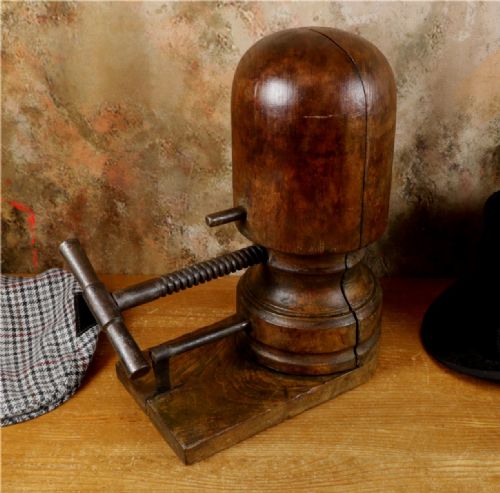
Some wooden hat stretchers double as mysterious abstract sculptures when left fully expanded on a shelf.
Crisford & Norris
The Hat Display Stand Glossary
- Hat block
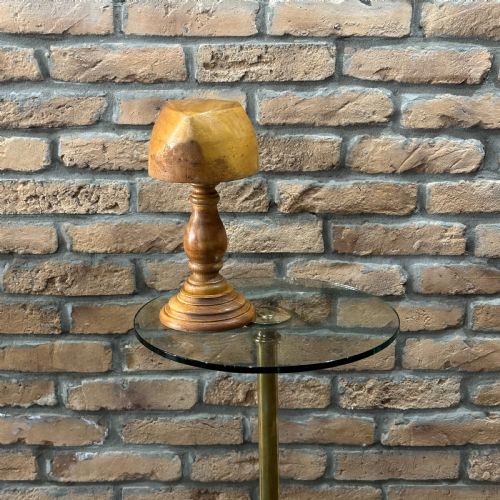
- A carved wooden form used by milliners to shape hats during manufacture. These sculptural wooden pieces double effectively as display supports.
- Hat stretcher
- A mechanical wooden tool used to adjust the circumference of hats. They function as adjustable display stands when expanded.
- Wig stand
- A specialised support historically utilised for powdering and storing wigs. Eighteenth-century examples often feature turned timber and small basins.
- Hatpin holder
- A small ceramic, silver, or glass vessel designed to hold long decorative pins. They complement larger millinery display items on dressing tables.
Hat Display Stand: Frequently Asked Questions
How were hat display stand pieces used originally?
These items served distinct functions in both commercial millinery shops and private homes. Retailers utilised countertop stands and hat blocks to showcase seasonal inventory to customers.
In domestic spaces, wig stands and dressing table accessories kept headwear and hatpins organised and properly shaped between wearings.
What materials are common in a hat display stand?
Wood forms the primary material, utilising oak, beech, fruitwood, yew, and mahogany shaped through turning or hand-carving.
Metal elements like cast iron, brass, and silver appear in hardware, countertop bases, and specialised pin holders.
How do I date a hat display stand?
Dating relies on stylistic markers, construction methods, and material choices associated with specific periods from the eighteenth century onward. Georgian wig stands exhibit different turning characteristics compared to Edwardian shop displays or Art Deco porcelain holders.
Patent marks, silver hallmarks, and distinct haberdashery styles further narrow the timeframe of manufacture.
How do I style a hat display stand at home?
These pieces integrate well into dressing rooms, hallways, and living spaces as sculptural objects of utility. They provide functional height and structure when displaying vintage hats, scarves, or wigs.
Smaller items like silver or porcelain holders suit dressing tables and mantelpieces for organising small accessories.