

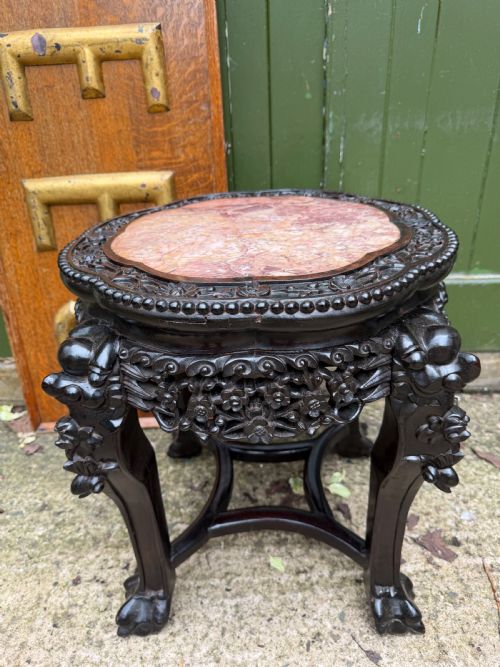


Hardwood Vase Stand
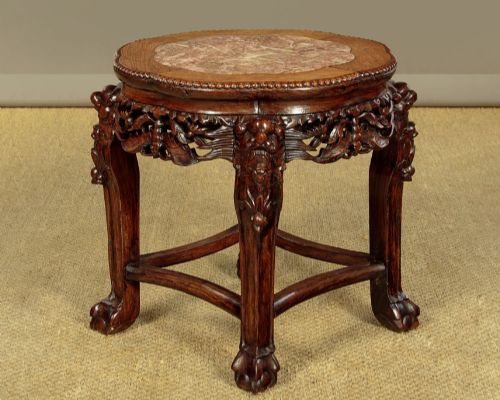
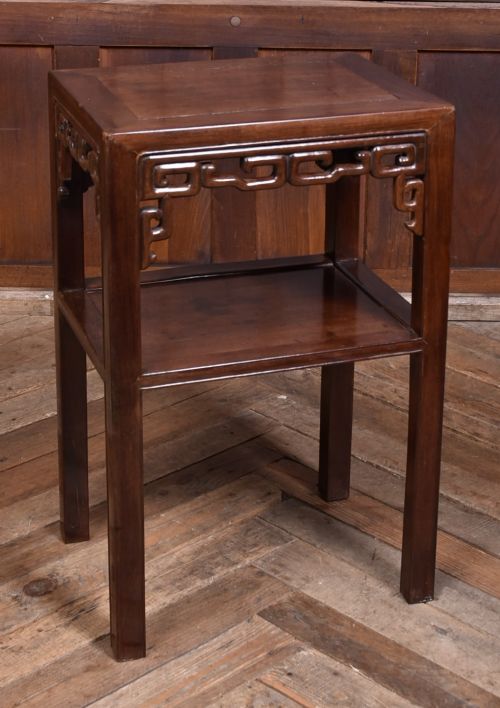
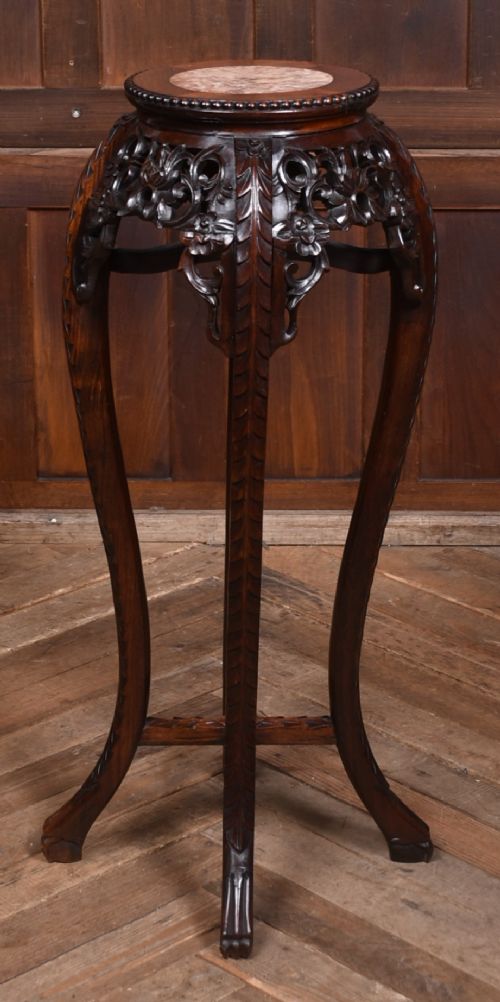
These carved hardwood vase stand examples are sturdy timber supports designed to elevate oriental vessels, bringing craftsmanship and height to a room.
Hardwood Vase Stand
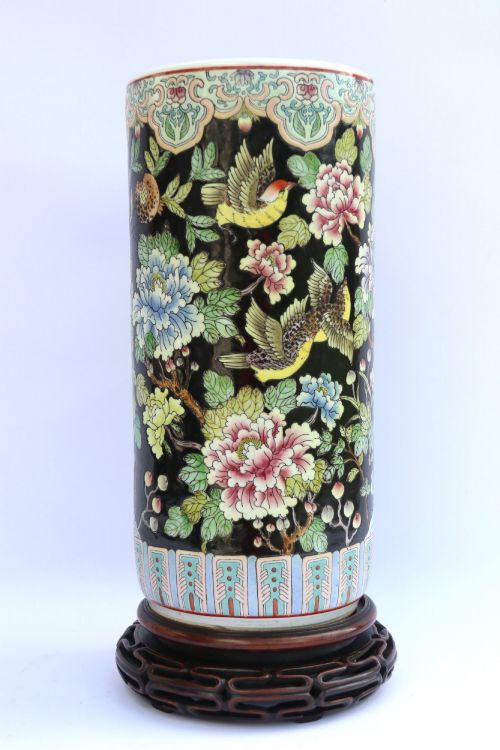
A hardwood vase stand serves as an elevated platform for oriental vessels, jardiniere bowls and decorative pots. These pieces appear frequently in nineteenth century and early twentieth century forms, reflecting traditional Chinese export and Qing dynasty design.
The most common version met on this page is a carved wooden table or pedestal featuring an inset top designed to hold porcelain, marble or lacquer objects. Examples range from low occasional stands to larger plant supports created in various timber species.
How they were made
Craftsmen utilised dense timbers such as rosewood, hongmu, huali and general hardwood to construct these frames, often employing traditional joinery without metal nails. Many examples incorporate contrasting materials, setting variegated rouge marble panels or porcelain plaques directly into the wooden framework.
Carving represents the primary decorative technique, with artisans shaping floral motifs, scrolling foliage and geometric borders into the solid wood. Certain surfaces receive a dark ebonised finish or clear lacquer coating to highlight the natural grain of the timber.
Listings demonstrate a strong presence of nineteenth century craftsmanship, featuring materials like rosewood, marble, and ebonised timber.
What varies in quality
The depth and crispness of the hand carving separate standard production from superior examples, where intricate openwork remains sharp and well-defined. Heavier timber selection and balanced proportions also indicate a higher grade of manufacture.
The integration of inset marble or porcelain panels affects the overall character, with carefully fitted, richly veined stone denoting superior craftsmanship. The stability of the frame and the retention of original surface polishes further distinguish finer pieces.
The Hardwood Vase Stand Glossary
- Hongmu
- A traditional Chinese dense hardwood prized for its dark colour and heavy weight. It provides a stable structure for intricate carving.
- Huali
- A fragrant and highly decorative Chinese hardwood used for fine furniture and display tables. Its grain patterns offer distinct visual appeal.
- Jardiniere
- A large ornamental pot or container for plants and flowers. These stands were built specifically to elevate such heavy vessels.
- Marble top
- A stone inset surface fitted into the wooden frame of a table or stand. This provides a cool, flat display area resistant to moisture.
Hardwood Vase Stand: Frequently Asked Questions
What were hardwood vase stands used for?
These platforms were created to elevate valuable vases, planters and decorative vessels off the floor or low surfaces. By raising the object, craftsmen protected delicate floor surfaces and drew attention to the art displayed upon them.
In traditional interiors, such stands also served as occasional tables for lamps, small sculptures or tea wares. Their sturdy construction allowed them to bear the substantial weight of dense porcelain and stone vessels.
How do I identify a Qing dynasty stand?
Identification relies on observing traditional Chinese export motifs, dense timber usage and specific construction methods characteristic of the period. Carved details often reflect classical floral patterns and scrolling designs associated with late nineteenth century workshops.
Many genuine examples also feature inset marble panels or specific joinery techniques typical of the era. Comparing the timber weight and patination helps distinguish these pieces from later reproductions.
Where should I place a vase stand at home?
These stands fit well in corners, beside seating areas, or beneath windows where natural light highlights the timber grain and carving. Their compact footprint makes them versatile for displaying ceramics, lamps or small green plants.
Placing them away from direct heat sources helps protect the dry hardwood and any inset marble or lacquer surfaces from splitting over time.
How do I care for antique hardwood furniture?
Routine maintenance involves dusting with a dry, soft cloth to prevent particulate buildup on the carved surfaces. Avoid liquid polishes and silicone sprays, which can penetrate the pores of older timber and alter the natural patina.
Maintaining stable room humidity prevents the dense hardwood and any fitted stone or porcelain inserts from expanding or cracking. Gentle handling ensures the original joints remain secure.