



Hanging Spice Shelf
A hanging spice shelf offers compact domestic utility, bringing timber grain and historic regional character straight to a kitchen wall.
Hanging Spice Shelf
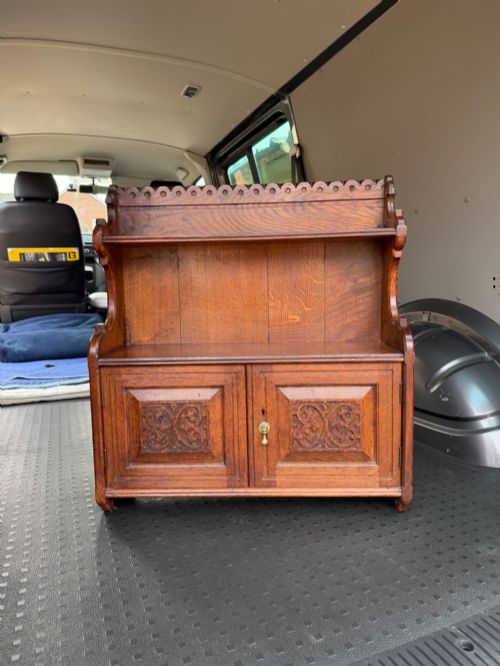
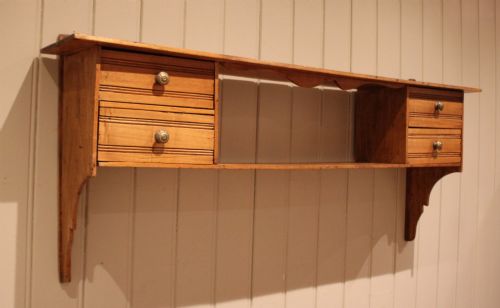
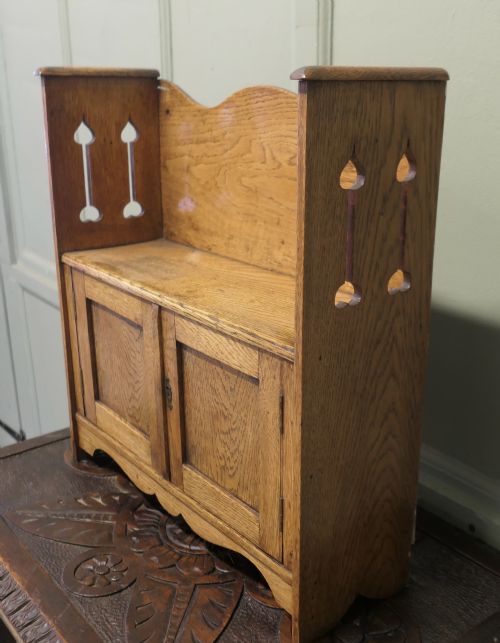
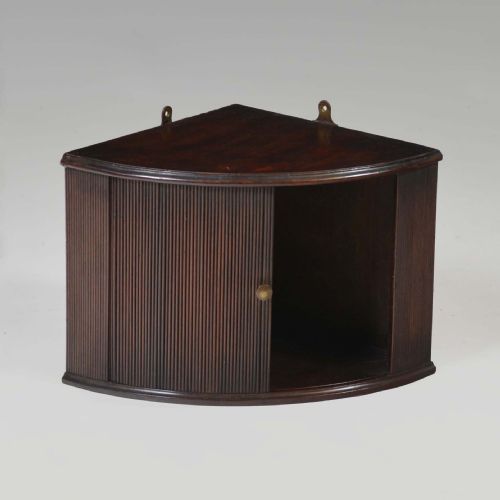
A hanging spice shelf provides compact wall storage, taking the form of small wall cabinets, open wall shelves, plate racks, and corner cupboards designed to hold provisions. When searching for a hanging spice shelf, buyers encounter pieces spanning several centuries, from Georgian mahogany tambour fronted designs to Arts and Crafts wall cabinets and Victorian country pine kitchen racks.
The selection on this page demonstrates remarkable variety in domestic timber furniture, including pieces made from oak, pine, walnut, mahogany, limewood, cherry wood, and painted wood. Alongside open shelving formats, many examples incorporate small cupboards, doors, or glass elements, reflecting the diverse storage needs of historic kitchens.
Materials and construction methods
Makers utilised a range of domestic and imported timbers including sturdy oak, durable pine, rich mahogany, and decorative walnut to build these wall fixtures. Construction often involved pegged joints, dovetailed corners, and hand-planed boards suited to everyday domestic service.
Surface treatments varied from polished mahogany and waxed oak to decorative hand painted finishes and folk art details, depending on the period and the regional workshop traditions of the maker.
Hanging Spice Shelf Retail Price Guide 2026
Typical asking prices for hanging spice shelf among the pieces listed under this phrase on Sellingantiques today, from the lower quarter to the upper quarter. They describe what is for sale here now, not the wider market.
One cheerful Edwardian wall shelf bears hand-painted details, proving past kitchens welcomed a splash of colour.
Judging quality and craftsmanship
Quality rests upon the selection of timber and the integrity of the joinery rather than ornate decoration alone, distinguishing standard utility items from finer workshop commissions. Fine examples display thoughtful proportions, well-fitted doors or tambour mechanisms, and harmonious grain patterns across the primary surfaces.
The handling of secondary details, such as the mounting brackets, hinges, and edge mouldings, reveals the care invested by the original maker. Pieces that retain an honest, undisturbed surface finish carry greater integrity than those altered by heavy modern interventions.
The Hanging Spice Shelf Glossary
- Tambour front
- A flexible door formed of narrow strips of wood glued to a canvas backing, sliding in curved tracks. This mechanism allowed secure closure on compact corner cupboards.
- Delft rack
- A wall-mounted rack traditionally used for displaying ceramic plates and platters. These open shelves kept tableware accessible and dry.
- Wall cabinet
- An enclosed wall-mounted storage unit featuring doors. These pieces protected contents from kitchen soot and damp.
- Folk art
- Utilitarian objects made by self-taught or local craftspeople, often featuring hand-painted decorations or distinctive regional construction methods.
Hanging Spice Shelf: Frequently Asked Questions
How were hanging spice shelves used historically?
These shelves were mounted near kitchen workspaces to keep frequently used seasonings, herbs, and small vessels within arm's reach. They kept provisions dry and organised in busy domestic kitchens.
Over time, many formats evolved to display decorative ceramics or store precious household items alongside culinary ingredients.
How can I tell the period of a hanging shelf?
Dating relies on observing the timber species, construction marks, and stylistic vocabulary of the piece. Georgian pieces often feature mahogany and tambour fronts, while Victorian items frequently utilise pine, walnut, or applied gothic details.
Hand-cut joints and original surface patination provide further physical clues to an object's age and workshop origin.
Can I use an antique wall shelf in a modern kitchen?
These compact wooden fixtures integrate well into contemporary spaces, providing practical vertical storage and warm historic texture. They suit modern kitchens, hallways, or studies for organising small objects.
Care should be taken to avoid placing wooden wall cabinets in areas with excessive moisture or direct steam.