





Hanging Lamp Chain
A hanging lamp chain supports the weight of period pendant lighting, bringing historic illumination down to eye level in a room.
Hanging Lamp Chain
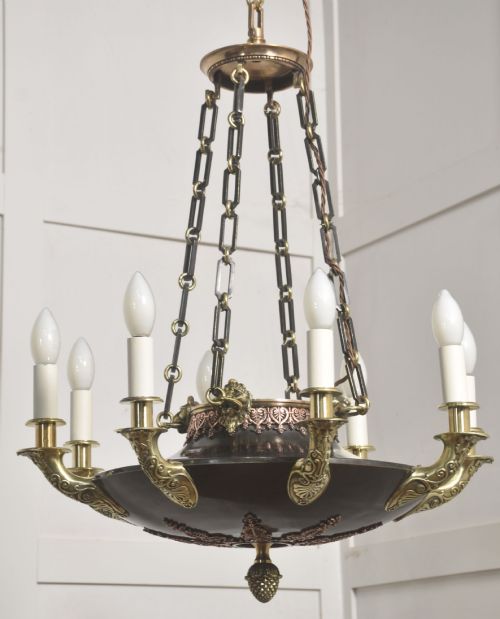
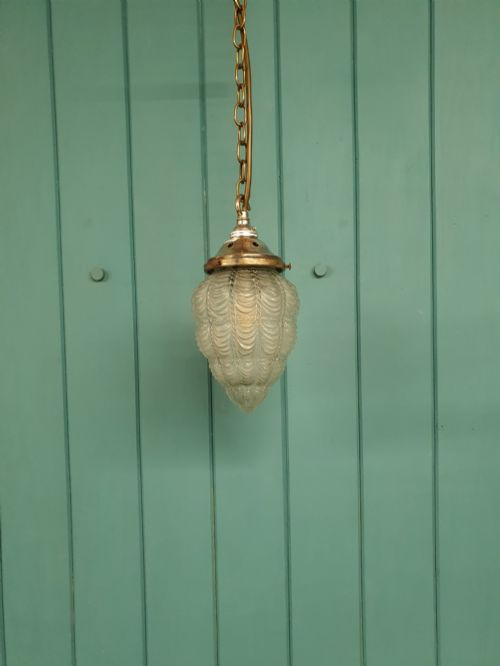
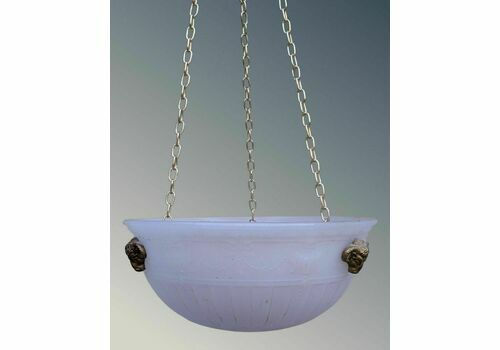
A hanging lamp chain connects ceiling fixtures like chandeliers, hall lanterns, and pendant lights to the ceiling rose. These fittings appear across the nineteenth century, Victorian, Edwardian, and 1930s periods in various metallic forms.
The objects supporting these chains span pendant lights, ceiling lights, chandeliers, and incense burners. Styles range from Victorian and Edwardian to Art Deco, Arts and Crafts, Empire Revival, and Mid-Century Modern.
Materials include brass, copper, bronze, and various types of glass such as frosted, cut, pressed, and opaline. These components frequently accompany shades by makers like Holophane on early twentieth-century pendants.
Materials and construction
Metalwork forms the backbone of these pieces, utilising cast and forged brass, copper, bronze, and general metal. These metals provide the structural strength required to suspend heavy glass bowls, lanterns, and multi-light chandeliers safely from ceilings.
Glass components involve specialised techniques including cutting, pressing, and frosting. Opaline and holophane shades diffuse light effectively, while coloured glass panels add decorative warmth to Victorian and Edwardian hall lanterns.
Hanging Lamp Chain Retail Price Guide 2026
Typical asking prices for hanging lamp chain among the pieces listed under this phrase on Sellingantiques today, from the lower quarter to the upper quarter. They describe what is for sale here now, not the wider market.
Listings span the nineteenth century through to the 1930s, featuring brass, copper, bronze, and diverse glass forms including holophane and opaline.
Assessing quality and finish
Quality rests in the substance of the metal and the clarity of the glass, distinguishing heavy cast bronze or brass mounts from lighter pressed alternatives. Superior examples show crisp casting detail on elements like rams heads and neoclassical frames.
The integrity of the glass shades, whether cut, opaline, or holophane, dictates the overall refinement of the fixture. Matching patination across the chain, metalwork, and ceiling components indicates a cohesive and well-preserved installation.
The Hanging Lamp Chain Glossary
- Pendant light
- A single light fixture suspended from the ceiling by a cord, rod, or chain. These fixtures distribute direct illumination downwards into a space.
- Holophane
- A brand of scientific glass shade designed with prismatic ribs to direct and diffuse light efficiently. These shades appear frequently on early twentieth-century pendants.
- Censer
- A vessel made for burning incense, sometimes adapted as a hanging ceremonial light. Examples in bronze reflect Victorian and Indian craftsmanship.
- Plafonnier
- A shallow ceiling light mounted close to or directly against the ceiling surface. These fixtures emerged strongly during the Art Deco period.
Hanging Lamp Chain: Frequently Asked Questions
What periods do these hanging lights come from?
The lighting fixtures and suspension hardware span the nineteenth century, the Victorian and Edwardian eras, and the 1930s. Styles reflect these diverse periods through designs such as Arts and Crafts, Empire Revival, and Art Deco.
Materials range from simple metal and brass to bronze, copper, and specialised glass. This variety allows collectors to match specific historical interiors with authentic period pieces.
How were these pendant lights and lanterns used?
Pendant lights and chandeliers hung from ceilings to illuminate hallways, dining spaces, and principal rooms in period homes. Hall lanterns provided welcoming illumination near entranceways.
Specialised items like ceremonial incense burners served ritual purposes before conversion or collection as decorative arts. Each form required secure suspension chains to bear the weight of the metal and glass.
What glass types appear on these lights?
The listings feature frosted glass, cut glass, pressed glass, and opaline glass. Holophane glass also appears, recognised by its distinct prismatic ribbing designed to control light output.
Coloured glass is found within Victorian lantern panels, while large opaline conical shades provide diffuse ambient illumination. Each glass type contributes to the distinct aesthetic of its respective decade.
How do I identify an Edwardian pendant light?
Edwardian pendant lights often combine polished brass with cut glass or early holophane shades. These pieces balance ornate Victorian sensibilities with cleaner early twentieth-century lines.
Construction methods from this era rely heavily on robust brass casting and detailed glass pressing. Examining the metal patination and glass clarity helps confirm the period.