

Hanging Chandelier Light
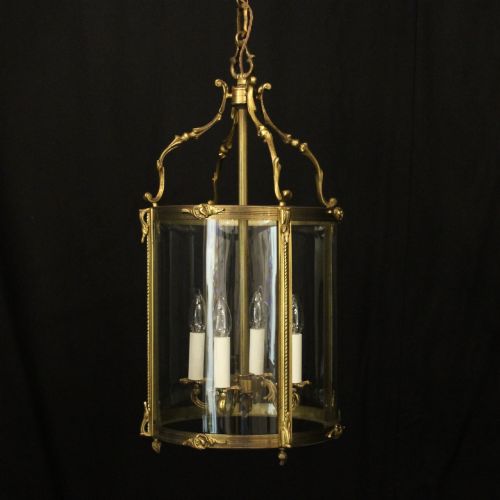
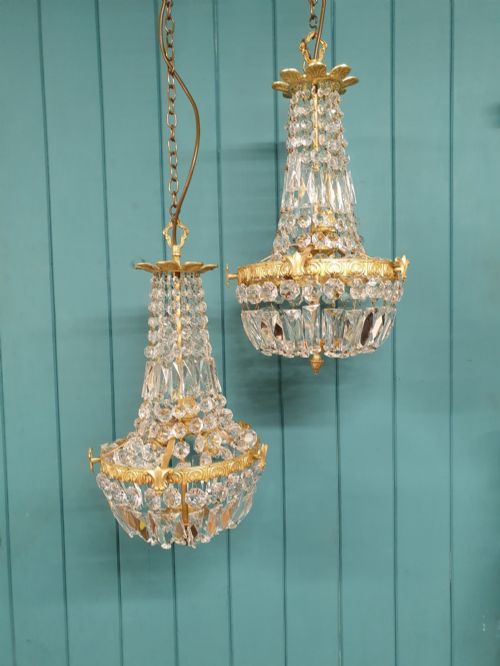
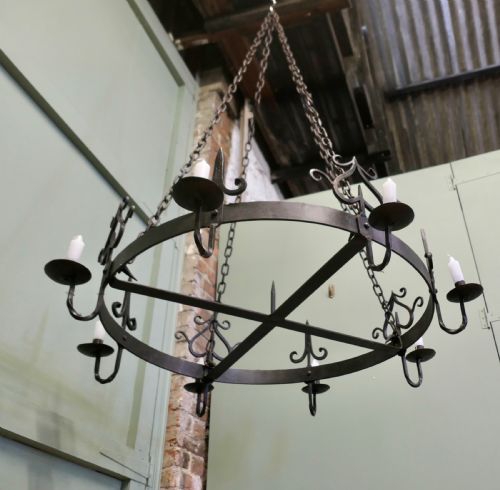
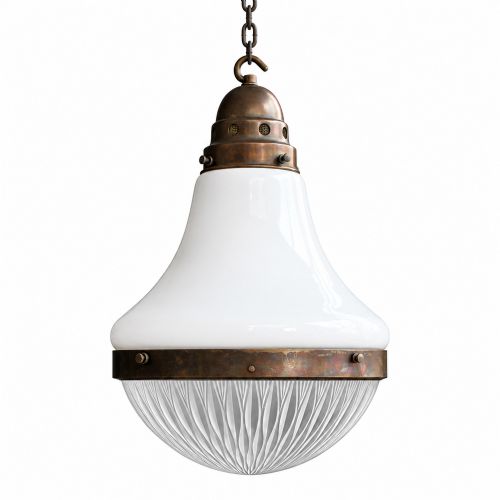
These hanging chandelier light fixtures bring gathered illumination and historic presence to a room, ranging from robust bronze lanterns to cut crystal centerpieces.
Hanging Chandelier Light
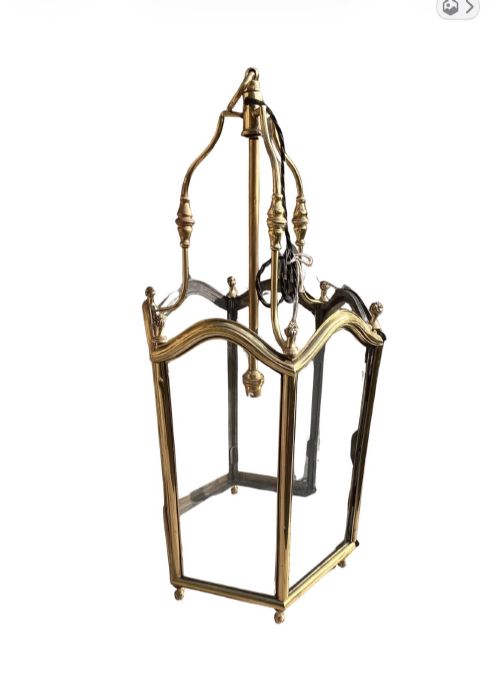
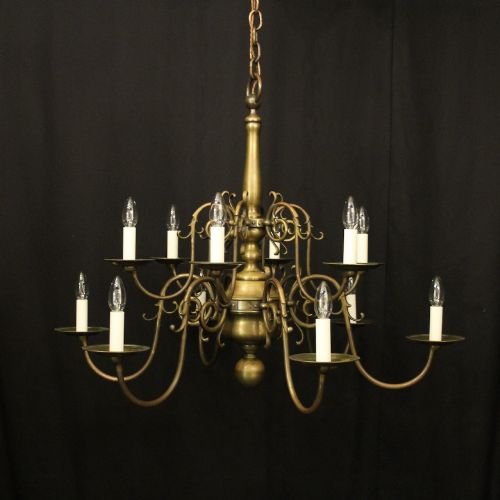
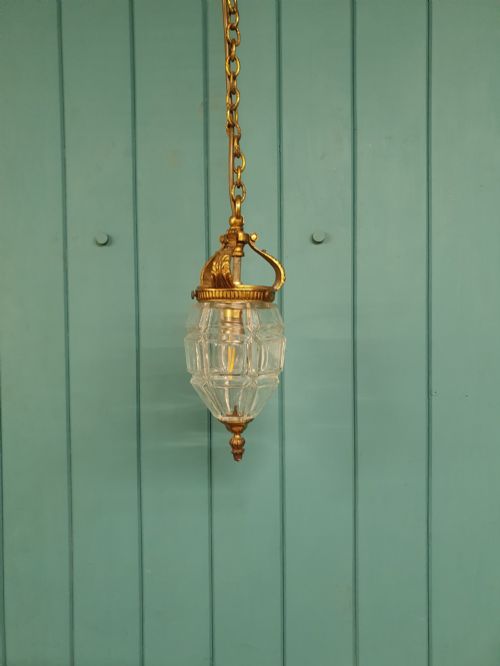
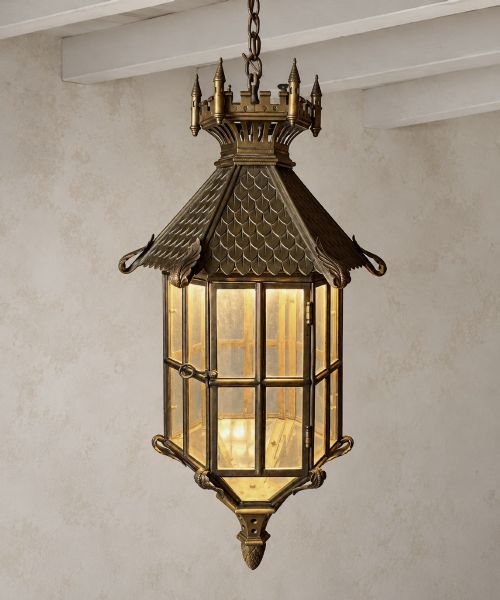
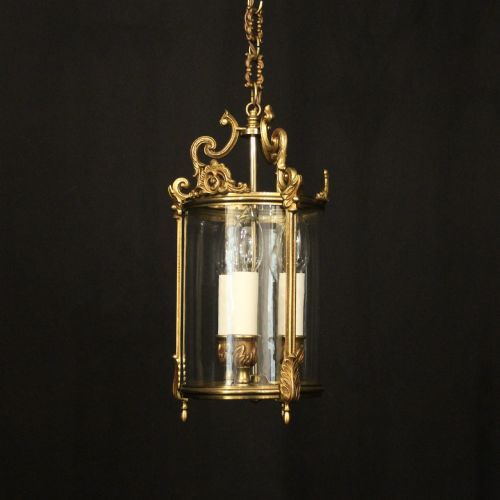
A hanging chandelier light combines structural metalwork with suspended illumination, taking forms such as multi-branch chandeliers, hall lanterns, and enclosed glass pendants. When buyers search for a hanging chandelier light, they encounter designs stretching from the Victorian era and the Edwardian period through to the 1920s and 1930s.
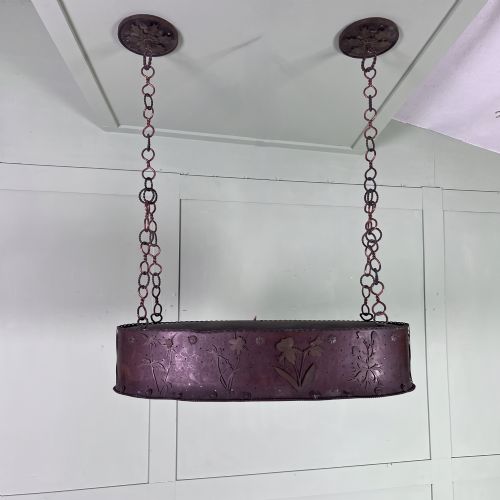
French aesthetics dominate the selection, particularly French Rococo, Neoclassical, and Chateau styles alongside Art Deco geometric pieces. Alongside these continental works appear English brass lanterns and Arts and Crafts copper fixtures.
The objects serve primarily as ceiling lighting for principal rooms, hallways, and stairwells, functioning simultaneously as decorative focal points and practical light sources.
How they were made
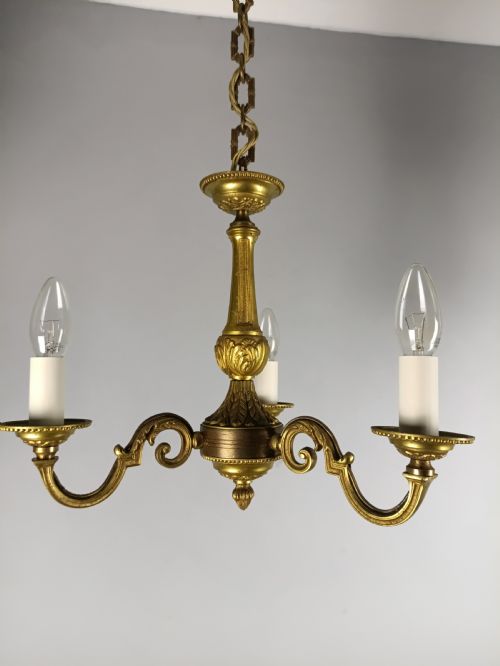
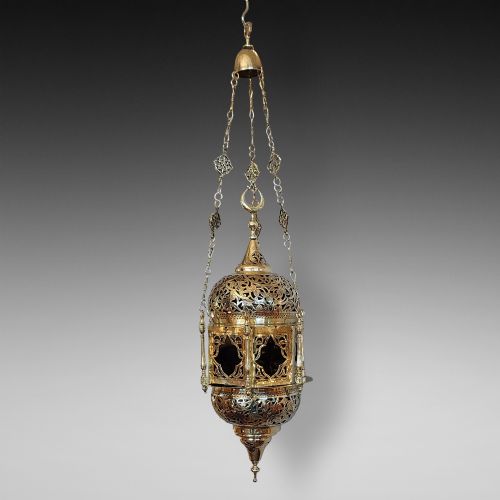
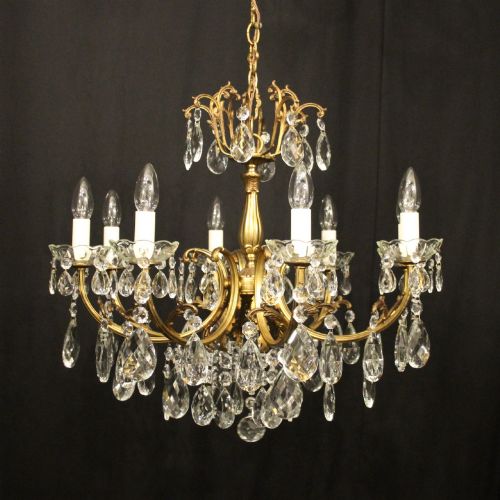
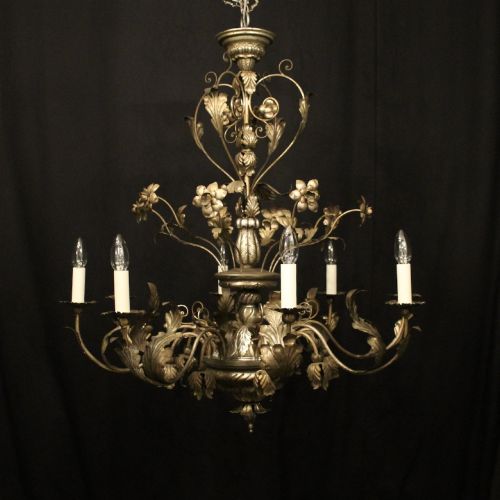
The structural frames rely heavily on cast and chased brass, bronze, gilt metal, and copper, shaped into intricate arms, coronas, and supportive cages. Workshops employed heavier metals for gothic and revival pieces while utilising lighter brass sections for Edwardian and Arts and Crafts designs.
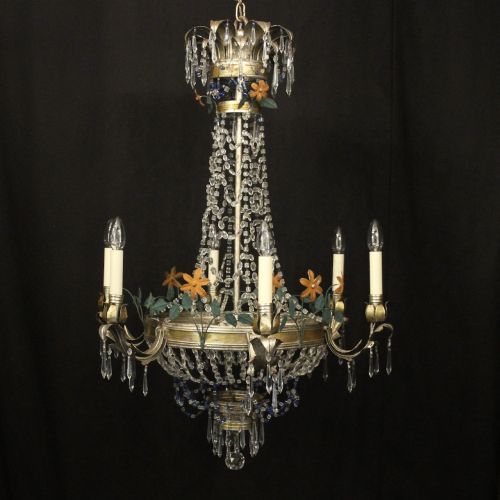
Illumination elements incorporate cut glass and crystal lustres, tent-and-waterfall cascades, stained glass panels, and etched glass globes. Selected lanterns integrate organic elements such as hand-stitched leather, vellum, and porcelain flowers to soften the metal armature.
Hanging Chandelier Light Retail Price Guide 2026
Typical asking prices for hanging chandelier light among the pieces listed under this phrase on Sellingantiques today, from the lower quarter to the upper quarter. They describe what is for sale here now, not the wider market.
The selection spans the 19th century through the 1930s, encompassing materials from raw copper and leaded glass to heavy gilt bronze.
What varies in quality
Quality reveals itself in the crispness of the metal casting and the depth of the gilding or silvering on bronze and brass surfaces. Superior examples display careful hand-chasing that brings definition to foliage, scrollwork, and cast crowns.
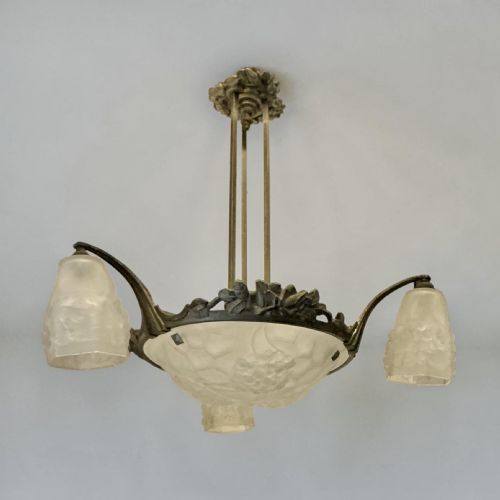
Glass components separate standard production from finer pieces through the clarity and weight of cut crystal, the precision of leaded joints in stained glass, and the execution of etched motifs on globes and convex panels.
Degué·Émile-Jacques Ruhlmann
The Hanging Chandelier Light Glossary
- Tent and waterfall
- A chandelier configuration where upper glass beads form an extended tent shape above a cascading lower tier of crystal drops.
- Hall lantern
- An enclosed hanging light designed specifically for corridors and entrance halls, typically featuring glazed panels set within a brass or bronze frame.
- Gilt bronze
- Bronze metal treated with a thin layer of gold or gold-coloured alloy, also known asormolu in finer French decorative arts.
- Cut glass
- Glass shaped and patterned by abrasive wheels, producing faceted surfaces that refract light across a room.
- Arts and Crafts
- A design movement prioritising visible hand workmanship, honest materials like copper and brass, and simplified structural forms.
Hanging Chandelier Light: Frequently Asked Questions
Where should a hanging chandelier light be hung?
These fixtures suit high-ceilinged entrance halls, principal reception rooms, and dining spaces where their vertical drop commands the interior.
Position the lowest point of the fitting to allow comfortable clearance beneath for passage or furniture placement.
How do I identify a French antique chandelier?
Look for characteristic stylistic markers such as gilt bronze mounts, Rococo scrollwork, or tent-and-waterfall crystal configurations typical of continental workshops.
Many examples also incorporate specific structural forms like birdcage frames or convex hall lanterns associated with French production.
What materials are common in these lights?
The primary framework typically utilises brass, bronze, copper, or gilt metal, often combined with cast decorative details.
Suspended elements introduce glass, cut crystal, stained glass panels, or ceramic flowers to diffuse the internal illumination.
How do Art Deco pieces differ from earlier styles?
Art Deco lighting from the 1920s and 1930s favours geometric lines, stylised motifs, and moulded glass shades produced by makers such as Degué.
In contrast, 19th-century and Edwardian pieces lean toward ornate revivalism, organic floral elements, and traditional cast brass frameworks.