





Hanging Bowl Pendant
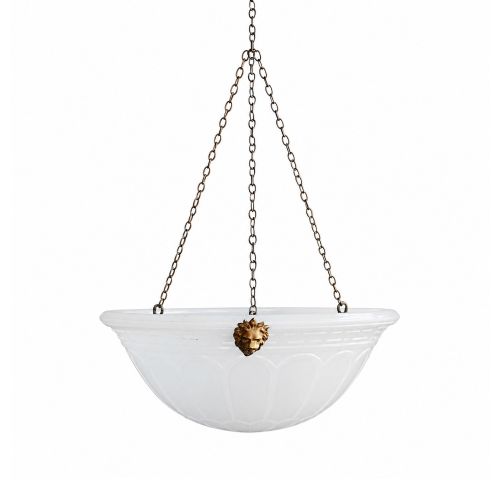
These hanging bowl pendant fixtures bring warmth and architectural character to a room through suspended glass and stone bowls.
Hanging Bowl Pendant
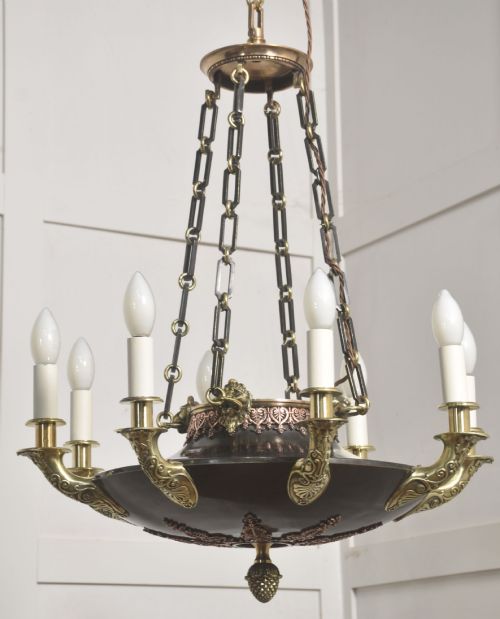
The pieces available span several distinct eras, notably the Edwardian period, the 1920s, the 1930s Art Deco movement, and the late nineteenth century. Common forms include plafonniers, dish lights, and multi-light chandeliers supported by chains or metal cord suspensions.
Buyers will encounter various stylistic interpretations ranging from neoclassical and empire revival designs to arts and crafts and classical revival models. English and French workshops produced these lights using durable metals alongside decorative glass.
Materials and Construction
Makers utilised heavy cast brass, bronze, and copper to form the structural suspension rings, chains, and decorative mounts. These metals provide the necessary strength to support substantial glass and stone bowls securely.
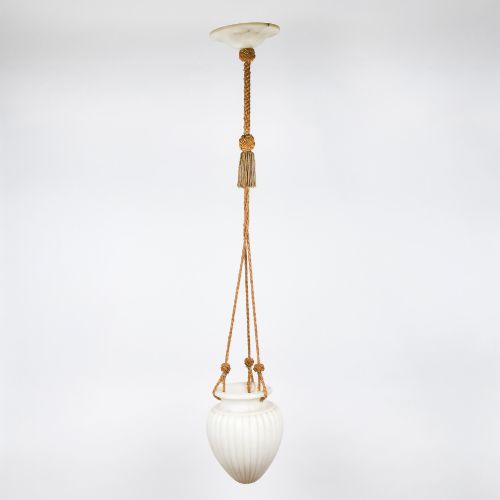
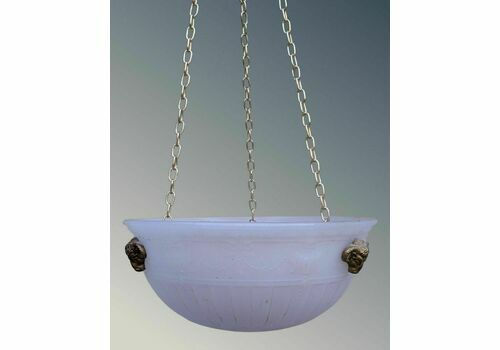
Bowl shades were produced using methods such as cutting crystal, moulding opalescent or frosted glass, and carving natural white alabaster. Metal components frequently feature period-specific detailing like rams heads and painted or enamelled surface treatments.
Hanging Bowl Pendant Retail Price Guide 2026
Typical asking prices for hanging bowl pendant among the pieces listed under this phrase on Sellingantiques today, from the lower quarter to the upper quarter. They describe what is for sale here now, not the wider market.
Listings feature alabaster, cut glass, and bronze across Edwardian, Art Deco, and 19th-century periods.
Judging Quality
Quality in a hanging bowl pendant is determined by the depth and clarity of the glass cutting, the purity of the alabaster, and the weight of the bronze or brass framework. Superior examples display crisp casting details on metal mounts and substantial, uniform glass thickness.
The harmony between the suspension hardware and the bowl itself distinguishes finer decorative pieces from standard production. Well-preserved original surface patinas and intact crystal elements elevate the overall integrity of the fixture.
The Hanging Bowl Pendant Glossary
- Plafonnier
- A ceiling-mounted or closely suspended bowl light that directs illumination upwards or diffuses it softly into the room. This French term typically describes shallow glass or alabaster bowl fixtures.
- Alabaster
- A fine-grained, translucent stone used extensively for carved bowl shades during the early twentieth century. It diffuses light evenly and exhibits natural veining.
- Moonstone glass
- A type of opalescent glass that produces a soft, luminous glow resembling moonlight when illuminated. It was favoured by English makers during the early twentieth century.
- Empire Revival
- A decorative style drawing inspiration from the neoclassical motifs of the late eighteenth and early nineteenth centuries. It incorporates formal symmetry and classical metalwork details.
- Arts and Crafts
- A design movement emphasising visible handcraftsmanship, simple forms, and honest materials. Fixtures from this style often feature hammered metal work and naturalistic glass shades.
Hanging Bowl Pendant: Frequently Asked Questions
What rooms suit a hanging bowl pendant?
These fixtures work well in rooms with adequate ceiling height, such as entrance halls, dining rooms, and living spaces. Their downward or diffused light distribution creates a welcoming atmosphere without harsh glare.
Because they hang on chains or cords, the overall drop can often be adjusted to suit the proportions of the space and clearance requirements.
How do I identify an Edwardian ceiling light?
Edwardian ceiling lights often feature crisp cut glass, silver-plated mountings, and refined proportions that reflect the elegance of the early twentieth century. They frequently utilise delicate chains and symmetrical metalwork.
By contrast, later 1930s pieces lean towards clean geometric lines associated with the Art Deco movement, utilising smooth alabaster or frosted glass bowls.
Are these pendant lights heavy?
Many of these fixtures possess significant weight due to the use of solid brass, bronze, thick cut crystal, and carved alabaster bowls. Ensuring secure installation into ceiling joists is essential for safe suspension.
Checking the robustness of the original chains and suspension points provides peace of mind when hanging heavier alabaster and bronze models.
How do I clean an alabaster bowl?
Alabaster is a softer stone that requires gentle maintenance using a dry cloth or a barely damp sponge without harsh chemical cleaners. Moisture can easily stain or damage porous stone surfaces if left unattended.
Glass bowls can generally be removed from their metal mounts and washed in warm soapy water before being dried thoroughly and reinstalled.