



Hanging Bookcase Unit
These hanging bookcase unit pieces provide clever wall storage that keeps books at hand while freeing up valuable floor space.
Hanging Bookcase Unit
A hanging bookcase unit suspends your volumes on the wall, combining the utility of a bookshelf with the space-saving grace of wall shelving. When you browse for a hanging bookcase unit, you encounter pieces designed to hold books securely off the floor.
The selections span centuries of cabinet-making, featuring Georgian and Regency designs alongside later Victorian, Edwardian, and Arts and Crafts examples. Forms range from open display shelves to enclosed wall cabinets with glass or panelled doors.
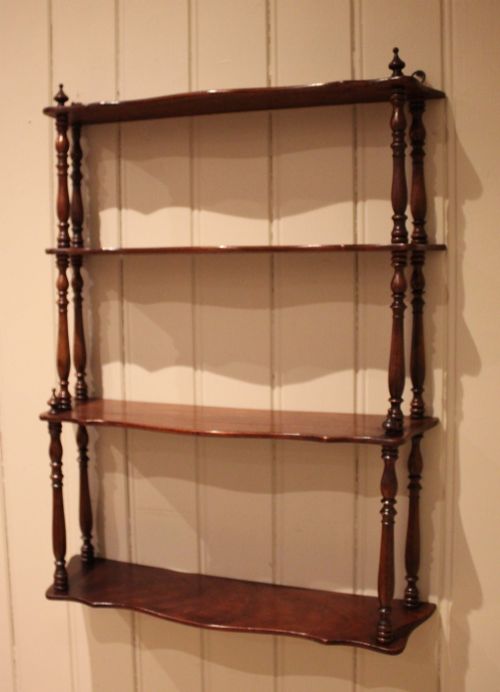
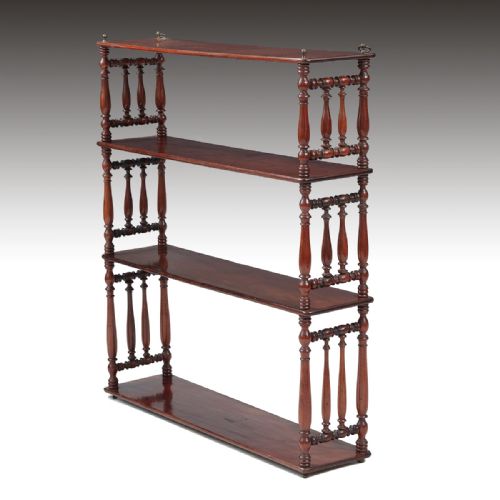
Makers utilised various formats, including portable bookshelves, waterfall tiers, and tiered whatnot shelves, giving you diverse options for wall mounting. These pieces bring architectural interest to a room while fulfilling a practical storage need.
How they were made
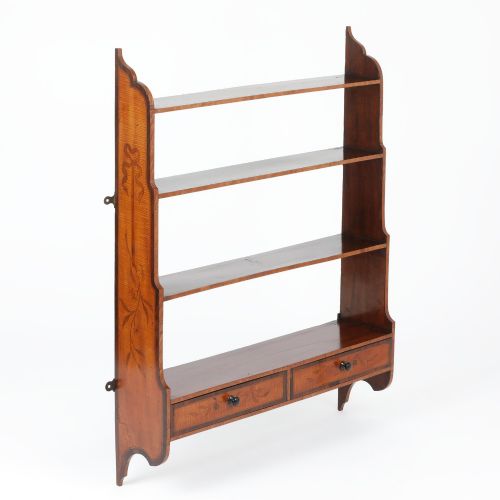
Cabinet-makers relied heavily on timbers such as mahogany, oak, and satinwood, often pairing deeper woods with lighter contrasting veneers or stringing. Painted wood and cherry also appear in the record, showing versatility in workshop material choices.
Construction techniques included dovetailed joints for stability under weight and turned supports for tiered shelving units. Brass fittings, hooks, and gallery rails provided both structural reinforcement and decorative detail.
Hanging Bookcase Unit Retail Price Guide 2026
Typical asking prices for hanging bookcase unit among the pieces listed under this phrase on Sellingantiques today, from the lower quarter to the upper quarter. They describe what is for sale here now, not the wider market.
Portable bookshelves from the nineteenth century let travellers take their favourite reading material securely up the wall.
What varies in quality
Superior examples distinguish themselves through thoughtful timber selection, such as figured mahogany or finely grained satinwood, rather than plain utility boards. The crispness of carved details and the careful integration of brass hardware signal higher workshop standards.
Proportion and balance dictate the architectural success of a wall-mounted piece, separating refined furniture from simpler utilitarian boxes. The presence of makers' touches, such as inlaid stringing or painted decoration, elevates the piece within its period style.
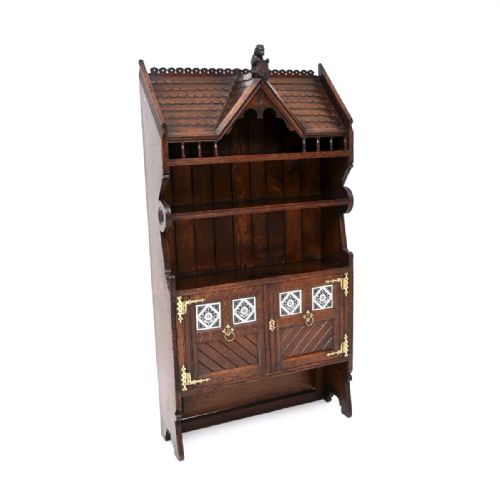
John Moyr Smith
The Hanging Bookcase Unit Glossary
- Waterfall shelves
- Graduated shelves that step back progressively from bottom to top, creating a cascading effect. This form gained popularity in the Regency and later periods for displaying small volumes.
- Whatnot
- A piece of furniture consisting of open shelves for displaying small objects or books. Wall-mounted versions keep collections accessible at eye level.
- Stringing
- Thin lines of contrasting timber inlaid into the surface of a piece. It outlines panels and borders, adding subtle decoration to cabinet work.
- Aesthetic Movement
- A late nineteenth-century design style emphasising visual beauty over narrative content. Pieces in this style often incorporate artistic motifs and distinct finishing.
Hanging Bookcase Unit: Frequently Asked Questions
How do I hang a heavy wooden bookcase safely?
These units require sturdy wall fixings, typically screwed directly into wooden wall studs or secured with heavy-duty wall anchors appropriate for your wall type.
Because books add substantial weight quickly, verify that the hanging brackets and internal joints remain completely sound before loading the shelves.
What rooms suit a hanging wall shelf best?
Compact spaces benefit enormously because these shelves lift storage off the floor while keeping frequently read volumes within easy reach.
They work well above desks, beside armchairs, or in hallways where a full floor-standing bookcase would block movement.
How do I identify a Regency hanging shelf?
Regency pieces often feature rich mahogany timbers, sometimes accented with brass galleries, hanging rings, or subtle classical reeding.
The clean lines and balanced proportions reflect the architectural influences of the early nineteenth century.
Are these units suitable for heavy hardbacks?
Solid timber construction in oak and mahogany provides strong support, but you should check the depth and shelf thickness before storing massive volumes.
Many antique wall shelves were designed for lighter duodecimo and octavo reading editions rather than massive encyclopaedias.