

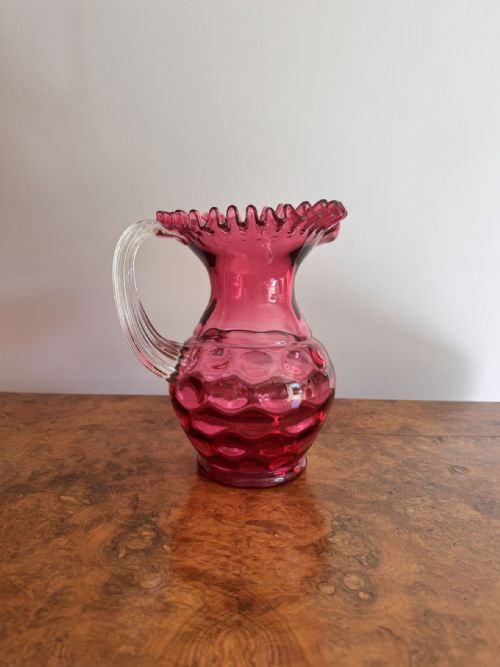
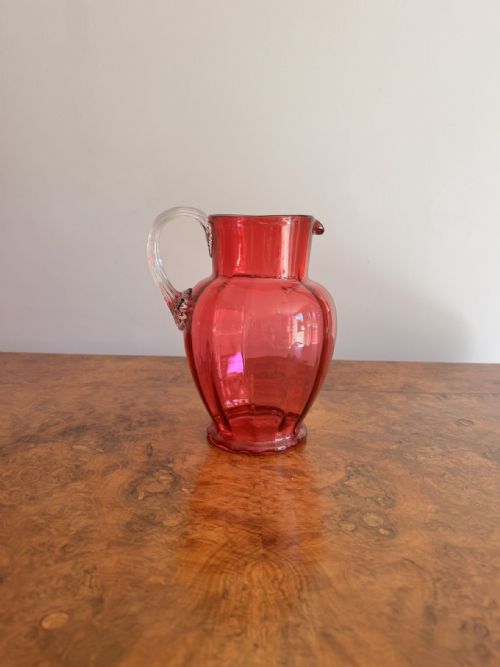
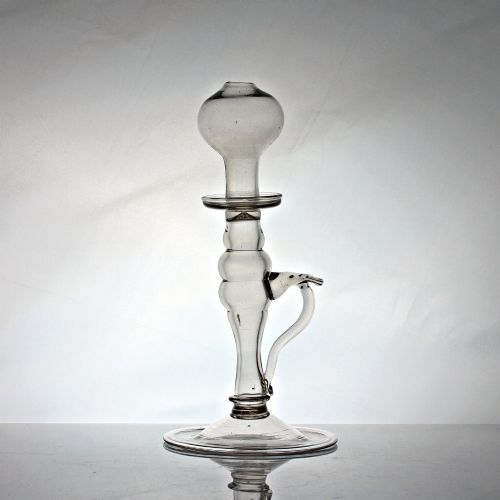
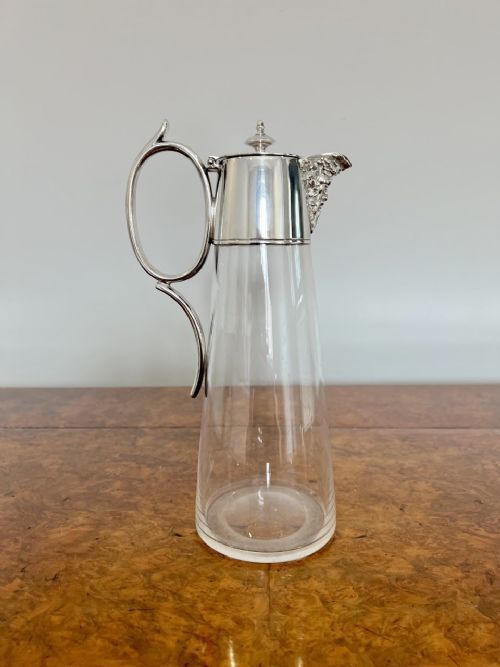


Handle Glass Vessel
These handle glass vessel pieces bring functional form and decorative craft together through centuries of glassmaking.
Handle Glass Vessel
A handle glass vessel combines functional utility with decorative form, spanning periods from the eighteenth century through to the art deco era. These items encompass a variety of practical objects designed for serving liquids or holding domestic items, distinguished by the addition of applied or structural handles.
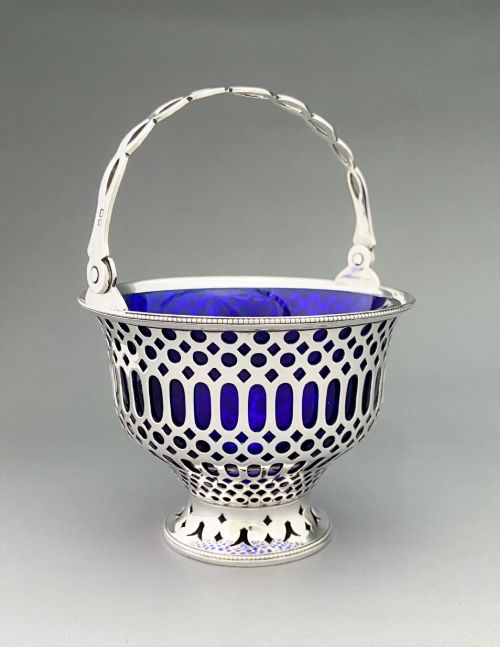
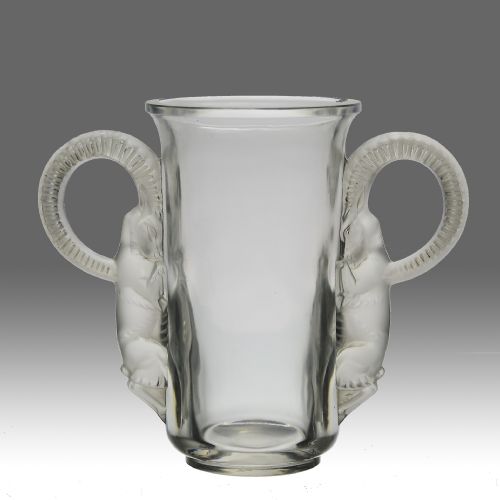
Buyers will encounter forms such as claret jugs, decanters, oil lamps, vases, and sugar baskets across this selection. Materials range from clear glass and lead glass to cranberry glass and opaque glass, often enhanced by silver plate, sterling silver mounts, enamel, or gold leaf.
Stylistic influences mirror the eras of their creation, moving from Georgian neoclassical designs through Victorian elaboration to Edwardian refinement and 1920s art deco modernism. Each piece demonstrates how makers incorporated handles into glassware, whether through applied glass trails or integrated metal mounts.
Materials and construction
Makers utilised clear glass, lead glass, and coloured varieties like cranberry glass as the primary medium for these vessels. Molten glass was blown or moulded into shape, sometimes incorporating enamel decoration, hand painting, or gold leaf applications directly onto the surface.
Metal elements frequently complement the glass body, particularly in designs featuring silver plate or sterling silver swings and mounts. Handles were either formed from the same molten material as the vessel and applied by hand, or engineered in metal to provide structural support for baskets and jugs.
Handle Glass Vessel Retail Price Guide 2026
Typical asking prices for handle glass vessel among the pieces listed under this phrase on Sellingantiques today, from the lower quarter to the upper quarter. They describe what is for sale here now, not the wider market.
Listings feature periods spanning the eighteenth century, Victorian era, Edwardian period, and 1920s art deco designs.
Distinctions in quality
The sophistication of the glassblowing or moulding process dictates much of the distinction between examples. Superior pieces display clarity, deliberate weight distribution, and precise execution in applied decorative elements like enamel or paste gilding.
Integration between the glass body and any metal mountings, such as silver plate or sterling silver swing handles, marks a clear tier in craftsmanship. Maker attribution, as seen in signed works from established glassworks, further separates standard domestic wares from notable studio or factory productions.
R Lalique·René Lalique·Kralik glass works·Harrach·George Ernest Hawkins
The Handle Glass Vessel Glossary
- Claret jug
- A pouring vessel designed specifically for serving red wine, typically featuring a glass body with a hinged metal lid and handle.
- Sugar basket
- An open container used on the dining table for holding sugar lumps, frequently fitted with a movable swing handle and metal mounts.
- Cranberry glass
- A rich red transparent glass coloured using gold chloride, popular during the Victorian period for decorative tableware.
- Tyg cup
- A large drinking vessel characterised by multiple handles, allowing it to be passed around a company.
- Applied handle
- A separate piece of molten glass attached to the main body of a vessel by hand during the forming process.
Handle Glass Vessel: Frequently Asked Questions
Were glass jugs used for wine?
Many vessels with handles, such as claret jugs and decanters, served specifically for decanting and serving wine at the dining table. The handle allowed for a steady grip during pouring.
Other handled forms functioned as water jugs, oil lamps, or decorative display pieces depending on their specific construction and era.
What is cranberry glass?
Cranberry glass is a distinctively coloured transparent red glass produced by adding gold to the molten batch. It gained widespread popularity during the Victorian era for decorative and tableware items.
Pieces in this glass often feature intricate enameled details or are paired with silver plated mounts and handles.
How are swing handles attached?
Swing handles on baskets and buckets are typically secured to metal collars or mounted posts affixed to the rim of the glass vessel. These mounts allow the handle to move freely from side to side.
Examining the metalwork and the fit around the glass rim helps determine the period and method of original manufacture.
Can I use these vessels daily?
While these pieces were originally created for domestic use, age and delicate materials require careful handling today. Items with silver plate or enamel decoration need gentle treatment to preserve their surfaces.
Many collectors prefer to use sturdier glass forms for light serving while displaying more fragile or decorated vessels safely.