


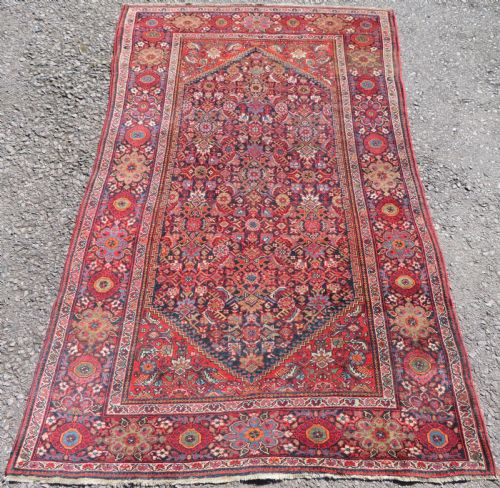


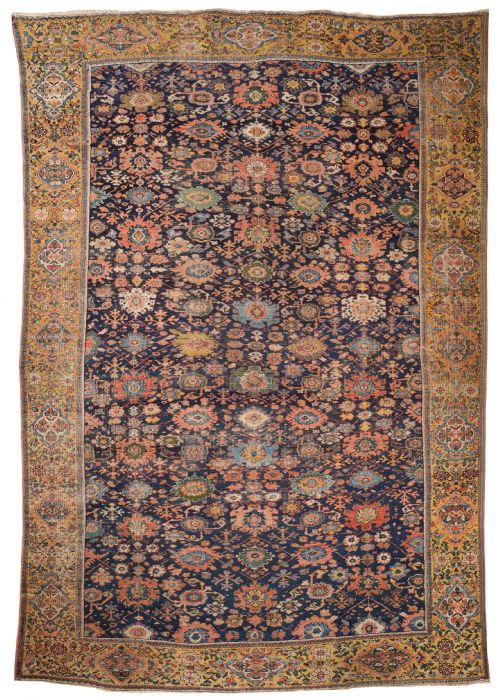


Handcrafted Wool Area Rug
A handcrafted wool area rug brings texture and pattern to a floor, offering durable warmth through traditional weaving methods.
Handcrafted Wool Area Rug
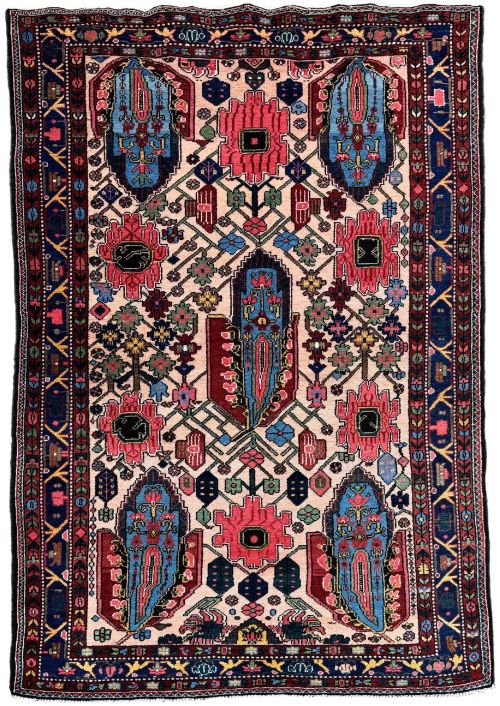
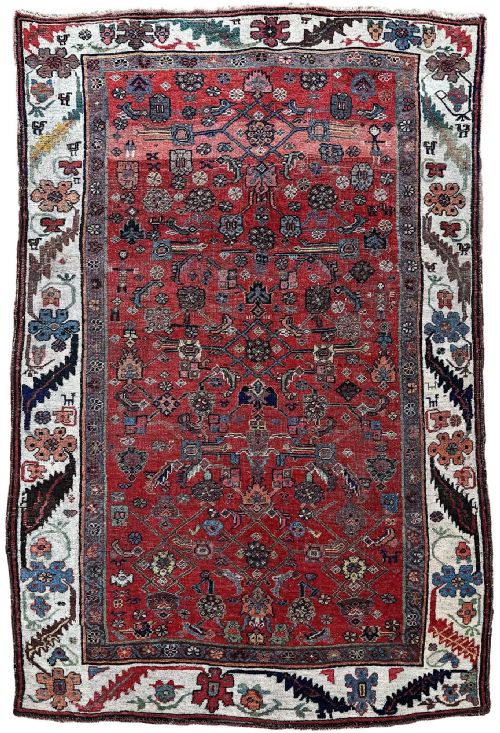
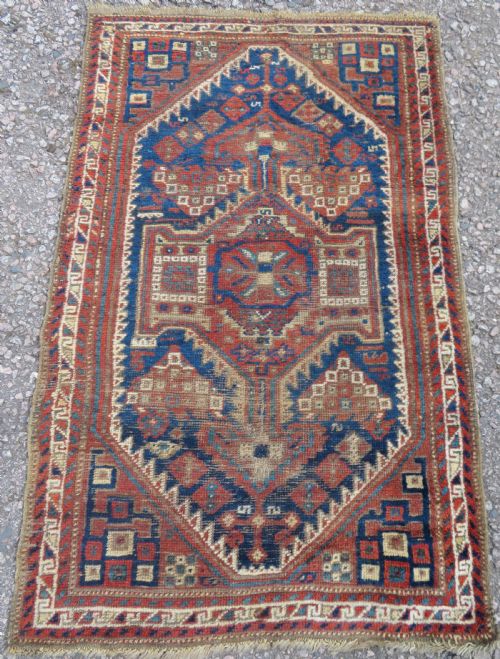
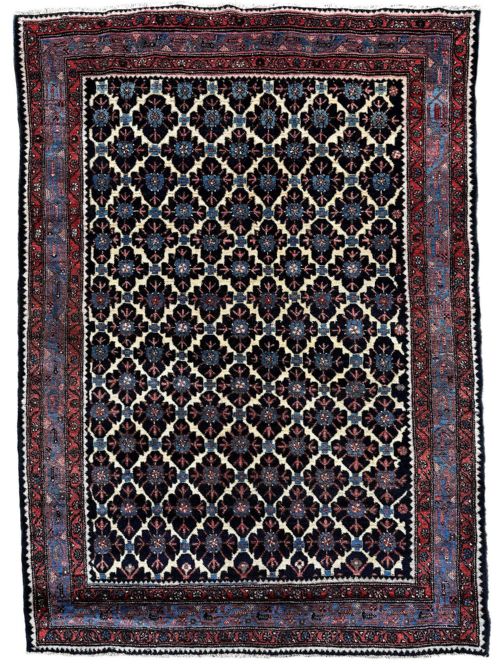
A handcrafted wool area rug represents centuries of regional weaving traditions, primarily sourced from Persian, Caucasian, Turkish, and tribal communities. When searching for a handcrafted wool area rug, buyers encounter diverse village and tribal formats ranging from compact mats to room-sized carpets.
The inventory on this page spans the late nineteenth century into the early twentieth century, capturing distinct regional aesthetics such as Heriz, Bidjar, Malayer, and Kashan designs. These pieces function as durable floor coverings that bring dense pile and intricate geometric or floral motifs into domestic interiors.
Materials and Construction
Makers constructed these textiles predominantly using natural wool for the pile and foundation, often supplemented by cotton for warp and weft threads. Artisans knotted or stitched the wool by hand onto the foundation, utilising flatweave techniques like soumak and kilim alongside traditional pile knotting.
Dyers employed natural colorants to achieve the deep red, blue, green, and yellow grounds seen across these carpets. The interplay of hand-spun wool and traditional dyes ensures that each rug retains structural integrity and rich coloration over generations.
Handcrafted Wool Area Rug Retail Price Guide 2026
Typical asking prices for handcrafted wool area rug among the pieces listed under this phrase on Sellingantiques today, from the lower quarter to the upper quarter. They describe what is for sale here now, not the wider market.
Listings feature Persian, Caucasian, and Turkish styles woven primarily from wool and cotton during the nineteenth and early twentieth centuries.
Quality and Execution
Knot density and the precision of the design execution dictate the refinement of each textile. Tighter knotting allows for sharper delineation of intricate geometric and floral motifs, distinguishing finer village and city workshops from coarser tribal work.
The resilience of the wool and the stability of the foundation determine how well a carpet withstands foot traffic. Superior examples maintain a balanced handle and even pile wear, preserving the integrity of the original design.
The Handcrafted Wool Area Rug Glossary
- Pile
- The upright yarn loops or cut ends that form the soft surface of a carpet. This layer provides cushioning and absorbs daily wear.
- Warp
- The stationary lengthwise threads stretched on the loom that carry the structural tension. Weft threads are interlaced across them to secure the knots.
- Soumak
- A flatweave technique utilising wrapping threads across the warp to create a textured, ribbed surface. It produces a sturdy textile without a cut pile.
- Kilim
- A tapestry-woven carpet made without a pile, resulting in a flat and lightweight fabric. These pieces often feature sharp geometric patterns.
- Herati
- A repeating floral and lattice motif featuring a central rosette enclosed by curved leaves. It is a defining pattern in many Persian rugs.
Handcrafted Wool Area Rug: Frequently Asked Questions
How do I clean an antique wool rug?
Vacuum gently without using a rotating brush bar to remove surface dust.
For deeper cleaning, professional hand washing protects the natural wool fibres and dyes.
Where were these rugs made?
These textiles originate primarily from Persia, Turkey, the Caucasus, and surrounding regions.
Local tribes and village workshops produced distinct styles defined by their geography.
Can I place these rugs in high traffic areas?
Wool possesses natural resilience and lanolin that resist dirt and daily wear.
Using a quality underlay helps absorb impact and prevents slipping on hard floors.
How do I identify different regional rug styles?
Examine the specific geometry, medallion structures, and border motifs used in the weave.
Palettes and knotting techniques also point toward specific weaving traditions like Bidjar or Heriz.