

Hand Painted Florals
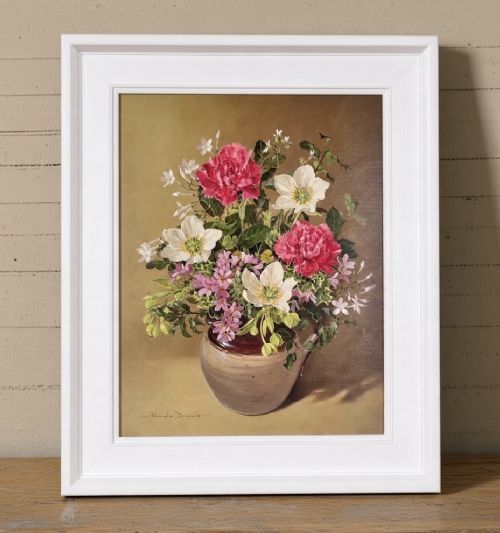
These hand painted florals bring together centuries of porcelain, enamel, wood, and glass decorated with botanical subjects across global traditions.
Hand Painted Florals
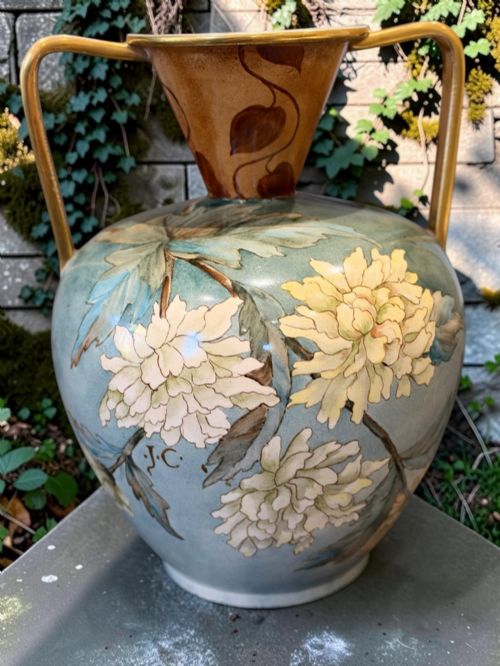
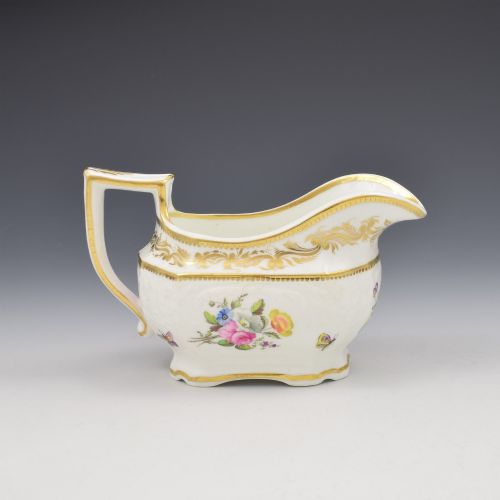
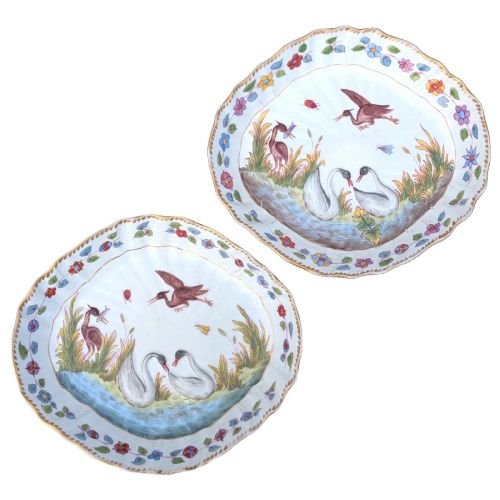
When searching for hand painted florals, collectors encounter items spanning the eighteenth, nineteenth, and early twentieth centuries, with a strong presence of porcelain tableware and decorative vessels. The pieces originate from English factories, Chinese dynasties, Japanese kilns, and European workshops, reflecting diverse regional painting traditions applied to practical and ornamental objects.
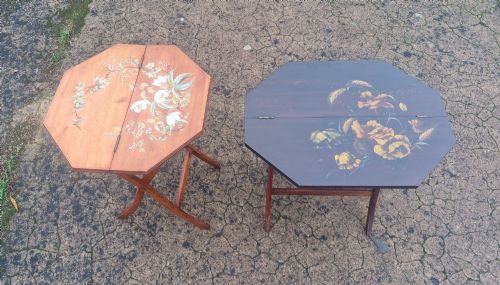
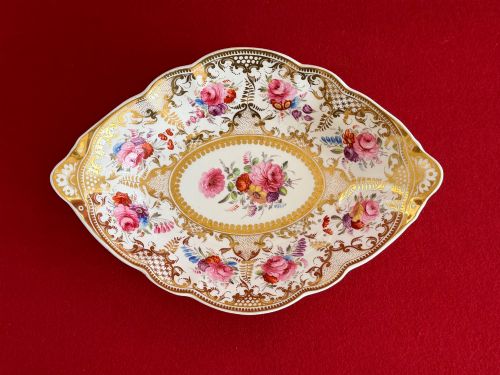
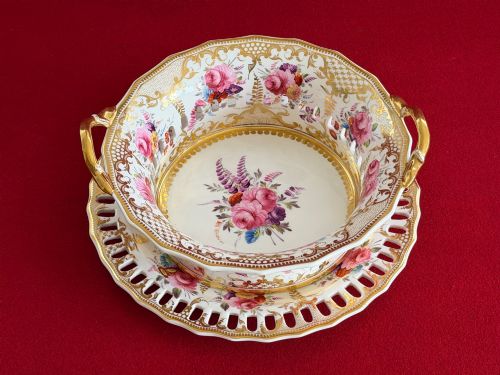
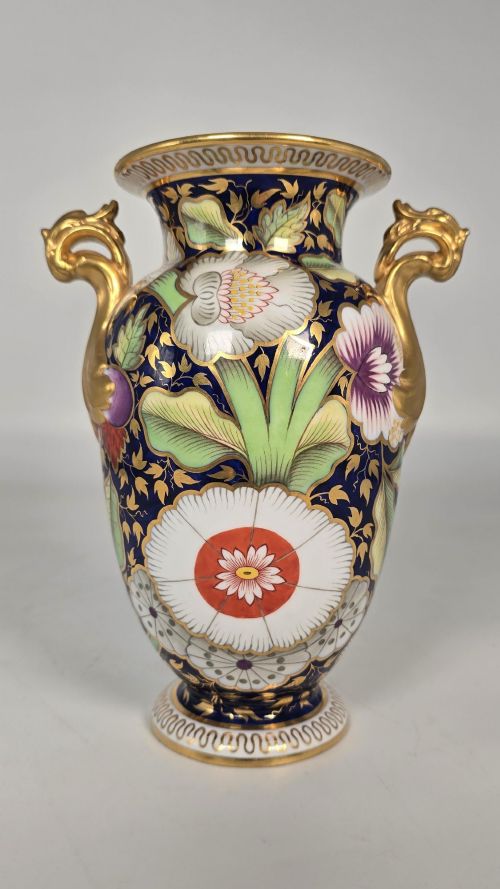
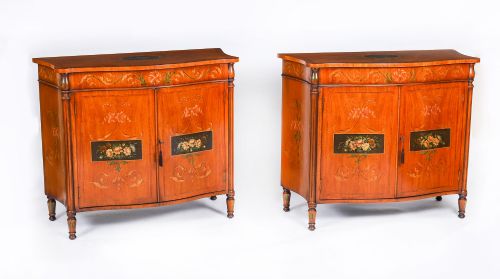
Teapots, vases, plates, and dishes form the core of what appears in this category, alongside occasional furniture, mirrors, and baskets. English porcelain from factories such as Worcester, Spode, Minton, and New Hall dominates the domestic items, carrying botanical motifs executed by named artists during the Georgian and Regency periods.
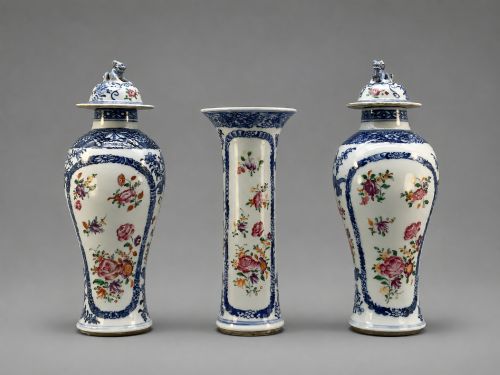
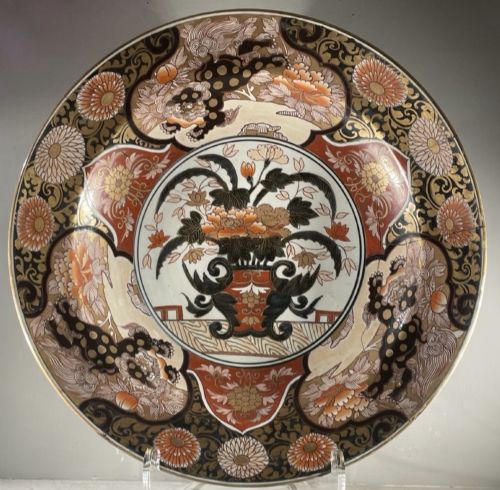
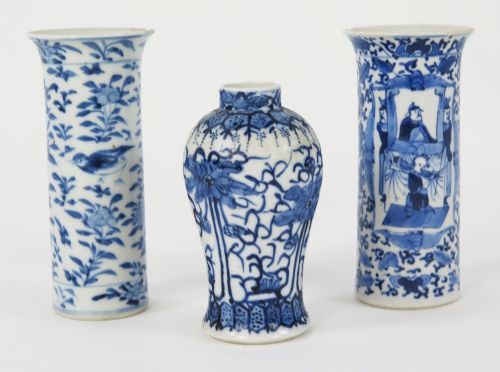
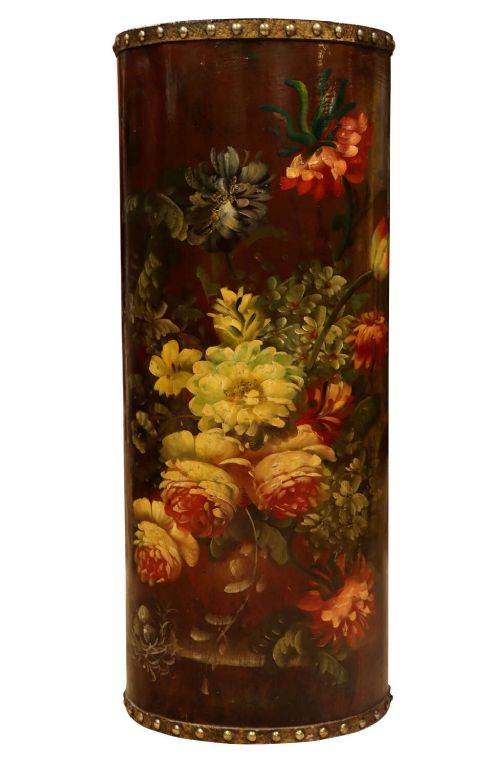
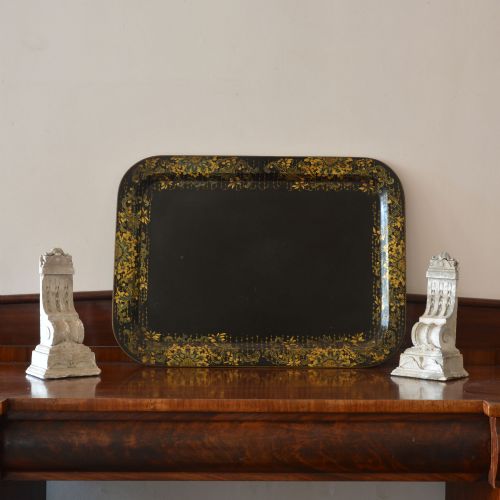
Asian ceramics, including Chinese Famille Rose and Japanese Imari and Satsuma wares, provide contrasting interpretations of floral decoration across the eighteenth and nineteenth centuries. Alongside ceramics, items like Kashmiri papier-mâché and Venetian mirrors demonstrate how botanical paintwork extended onto wood, glass, and leather.
How they were made
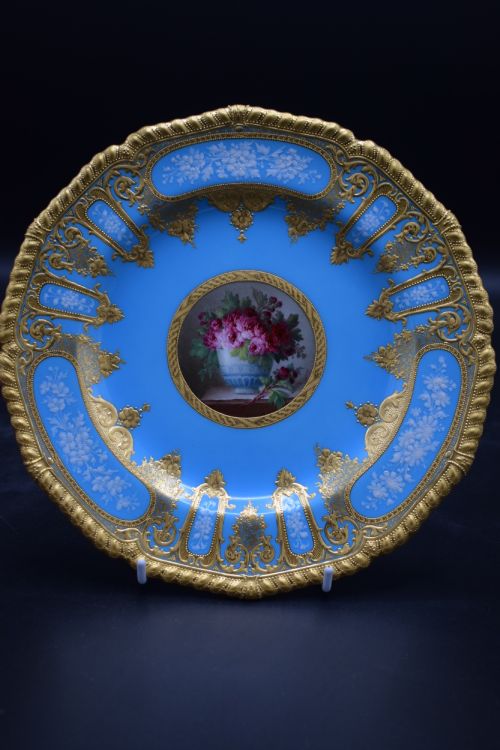
Makers applied paint directly onto porcelain bodies, earthenware, enamel, wood, and glass, often sealing the pigments beneath a transparent glaze fired in kilns. Gold leaf and heavy gilding frequently frame the painted botanical scenes, adding reflective contrast to porcelain surfaces and ceramic panels.
Artists working in studio environments or factory decorating rooms used fine-tipped brushes to render naturalistic flower studies, sometimes signing their work or attributing patterns to specific pattern numbers. On non-ceramic objects such as papier-mâché and wood, pigments mixed with oil or binder sat atop prepared grounds, finished with protective varnishes.
Hand Painted Florals Retail Price Guide 2026
Typical asking prices for hand painted florals among the pieces listed under this phrase on Sellingantiques today, from the lower quarter to the upper quarter. They describe what is for sale here now, not the wider market.
Listings feature 19th Century, Regency, and 18th Century periods alongside wood, porcelain, and gold leaf materials.
What varies in quality
The standard of painting determines much of the distinction between ordinary production wares and exceptional studio pieces. Skilled hand-painting exhibits fine botanical accuracy, subtle tonal shading in petals and leaves, and confident brushwork executed by known artists or specialised factory decorators.
The choice of body and the crispness of the porcelain or ceramic form also influence the grade of an object. Well-potted items with intact gilding, clear glaze, and balanced compositions represent the upper tier of the selection.
James Giles·Flight Barr and Barr·William Quaker Pegg·Thomas Steel·New Hall Porcelain·Spode Porcelain·Edme Samson·Charles Horner·H and R Daniel·Grainger Lee and Co·Wemyss
The Hand Painted Florals Glossary
- Campana
- A bell-shaped vase form popular during the Regency period. These vessels typically sit on a square pedestal base.
- Famille Rose
- A Chinese ceramic palette dominated by opaque pink enamel, introduced during the Qing Dynasty. The style frequently incorporates detailed floral and botanical arrangements.
- Garniture
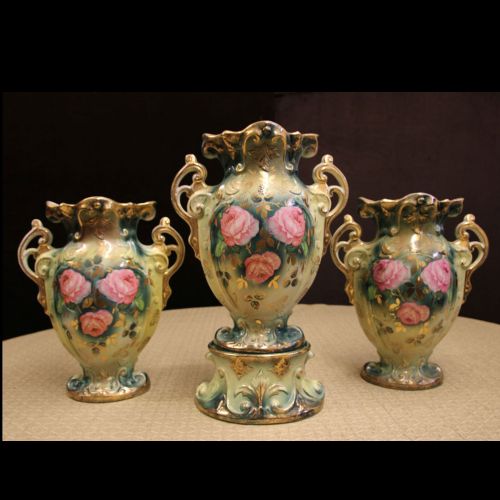
- A set of matching vases or pots designed for display together on a mantelpiece or sideboard. They often consist of three or five graduated pieces.
- Imari
- A style of Japanese export porcelain featuring underglaze blue and overglaze iron red, gold, and green. Floral and panel motifs are characteristic of this tradition.
- Bough Pot
- A ceramic or porcelain vessel designed to hold flowering branches or cut boughs for interior decoration. They usually feature perforated or pierced covers.
Hand Painted Florals: Frequently Asked Questions
How do I identify a Regency porcelain vase?
Regency vases often feature classical shapes such as the campana or urn, decorated with detailed botanical painting framed by gilt borders. The porcelain body is typically heavy and bright white, reflecting early nineteenth-century manufacturing methods.
Factory marks, where present, help confirm the period, though many pieces relied on pattern numbers rather than direct signatures.
What is the difference between Chinese Famille Rose and Japanese Imari?
Chinese Famille Rose porcelain relies on an opaque pink enamel alongside a pastel palette to render naturalistic flowers and figures. This style developed during the eighteenth century under Qing rule.
Japanese Imari uses a distinct colour scheme of cobalt blue and iron red, frequently highlighted with gold, arranged in geometric and floral patterns during the Meiji period and earlier.
How should I care for hand painted porcelain?
Hand painted porcelain requires gentle treatment to preserve delicate enamel pigments and gold leaf gilding. Washing should be done by hand using lukewarm water and mild soap, avoiding harsh detergents or abrasive sponges.
Displaying pieces away from direct sunlight prevents the painted floral colours from fading over time.
Are eighteenth-century floral ceramics fragile?
Eighteenth-century ceramics are delicate due to the age of the porcelain body and the surface enamel layers. Handling requires support at the base rather than by handles or rims, which are prone to stress fractures.
Despite their age, stable display conditions allow these items to be safely kept and enjoyed in modern interiors.