







Hand Painted Doors
Hand painted doors bring architectural character and painted narrative directly into a room.
Hand Painted Doors
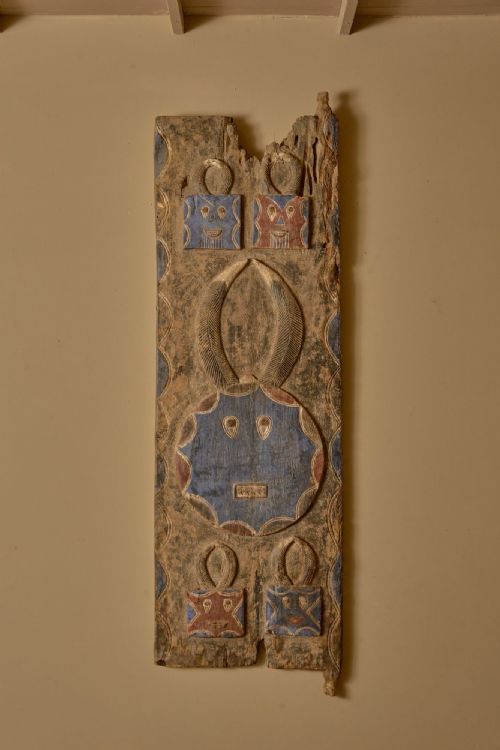
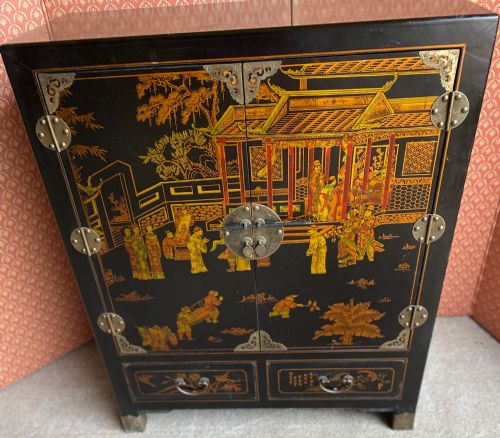
When buyers search for hand painted doors, they encounter architectural salvage, furniture panels, and full architectural entries originating from diverse global traditions. The selection spans Indian timber panels, Chinese cart doors, and European architectural elements dating from the eighteenth century through the twentieth century.
The most common iterations on this page include vibrant Indian painted doors set in original frames and French carved wooden doors. These pieces serve as functional room dividers, wall art, or striking focal points within contemporary interiors.
The material vocabulary of these items encompasses seasoned timber, leaded glass, and brass hardware, united by decorative paint layers. Dating ranges from the Georgian era through Edwardian and Victorian periods into the interwar twentieth century.
What varies in quality
Quality rests upon the preservation of the original painted surface and the integrity of the underlying timber. Pieces retaining their initial polychrome schemes or traditional lacquer hold greater artistic merit than later overpainted examples.
The depth and sophistication of the hand-painted brushwork distinguish standard utilitarian joinery from masterwork artistic panels. Subtlety in composition, pigment richness, and the balance between carved relief and painted detail determine the standing of each piece.
Hand Painted Doors Retail Price Guide 2026
Typical asking prices for hand painted doors among the pieces listed under this phrase on Sellingantiques today, from the lower quarter to the upper quarter. They describe what is for sale here now, not the wider market.
The inventory incorporates items from French, Chinese, Indian, and British traditions, ranging from architectural glass to cupboards.
The Hand Painted Doors Glossary
- Polychrome
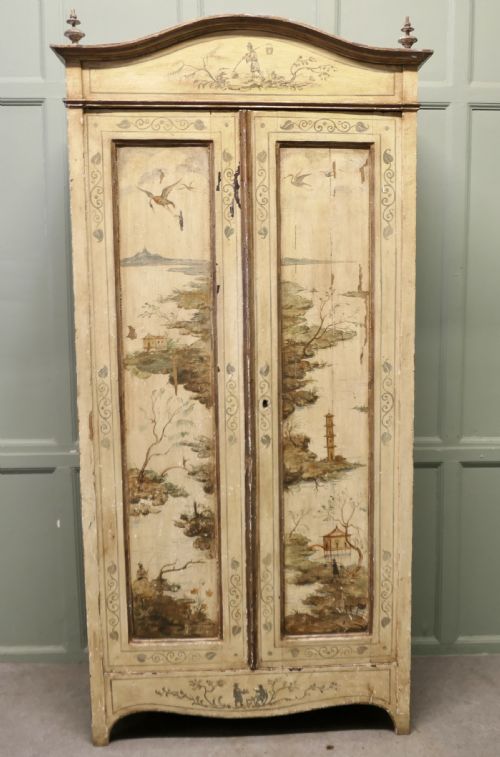
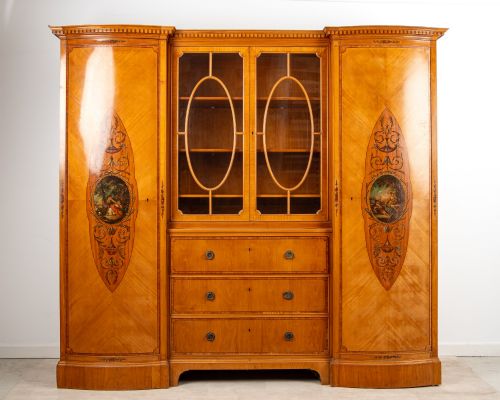
- Decorated in multiple colours. This technique appears frequently on nineteenth-century wardrobes and architectural panels.
- Chinoiserie
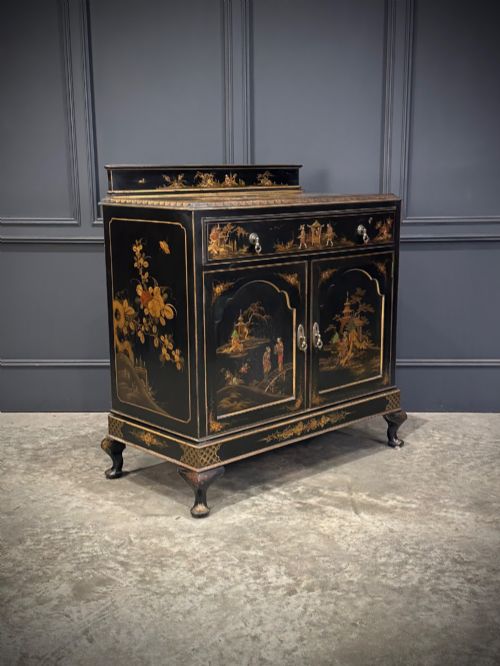
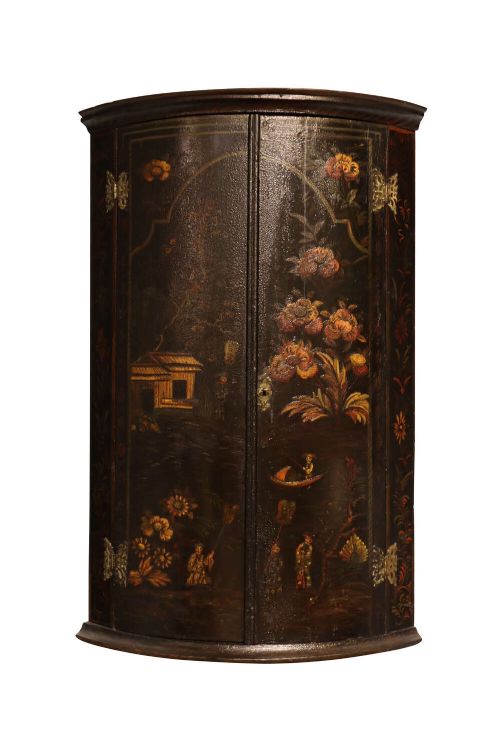
- European imitation of Chinese artistic styles. Popularised on eighteenth-century cabinets and nineteenth-century lacquer cupboards.
- Japanned
- European-made lacquer imitating Japanese export items. This finish occurs on twentieth-century side cabinets.
- Satinwood
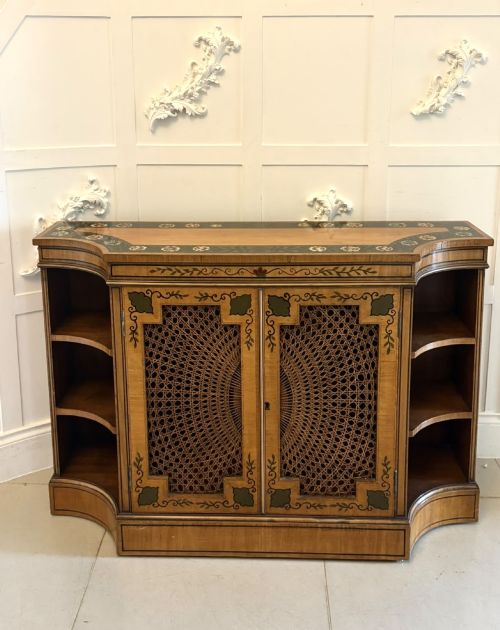
- A light-coloured tropical timber utilised for fine cabinetry. Found on Edwardian wardrobes and serpentine fronted side cabinets.
Hand Painted Doors: Frequently Asked Questions
How are hand painted doors installed?
Many architectural pieces function effectively as wall art or decorative screens rather than operating entryways. Structural installation depends on the weight of the timber and the strength of the surrounding wall.
Professional fitting ensures that antique frames and heavy wooden panels remain secure. Lighter decorative panels mount easily onto internal walls using appropriate brackets.
How do I clean painted wooden surfaces?
Dust surfaces gently with a dry, soft cloth to prevent particulate accumulation. Avoid abrasive cleaning agents or excessive moisture that might damage aged paint layers.
Preserve original lacquers and pigments by keeping items away from direct sunlight and moisture fluctuations. Professional conservators advise minimal intervention for historic painted finishes.
What periods do these pieces represent?
The inventory spans the eighteenth, nineteenth, and early twentieth centuries. Georgian and Victorian examples sit alongside Edwardian and 1920s pieces.
Stylistic markers range from French provincial carving to traditional Indian and Chinese provincial artistry. Each era employs distinct joinery methods and pigment formulations.
Can these doors be used outdoors?
Most antique painted items are intended for interior display due to the delicate nature of historic pigments. Exposure to weather causes degradation of the original paint and timber substrates.
Sheltered garden rooms or indoor placements prolong the lifespan of the surface decoration. Consider environmental conditions before positioning historic woodwork outside.