






Hand Cut Glass
Hand cut glass encompasses faceted decanters, lustres, and crystal vessels shaped by wheel and hand across the Georgian, Victorian, and Art Deco periods.
Hand Cut Glass
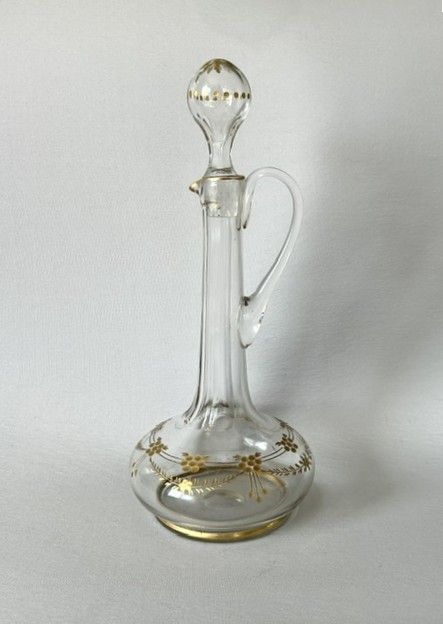
Hand cut glass items on this page span utilitarian drinking vessels and decorative mantel ornaments. Pieces include decanters, ewers, wine glasses, cruet sets, and table lustres.
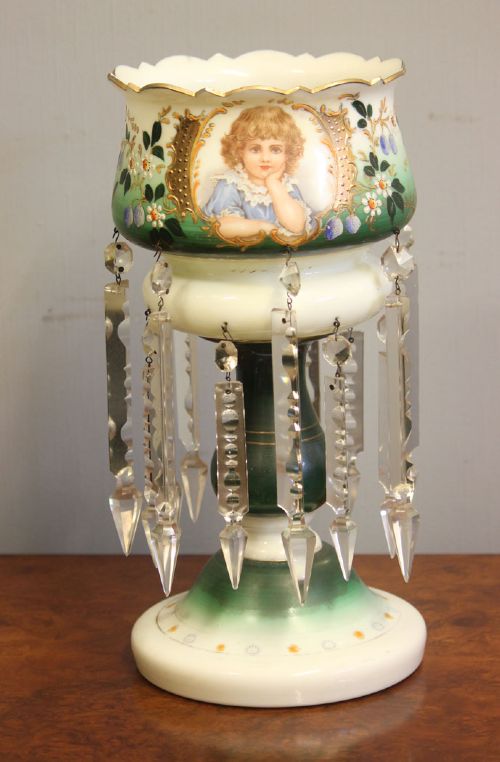
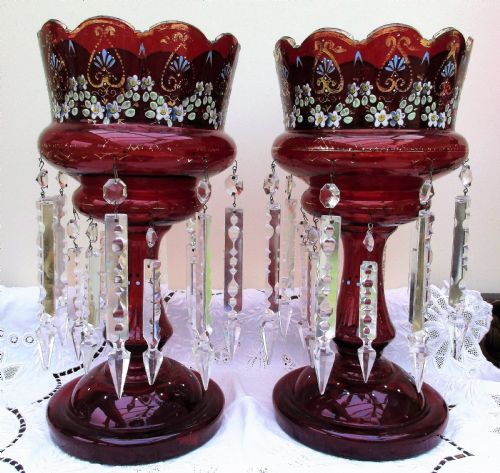
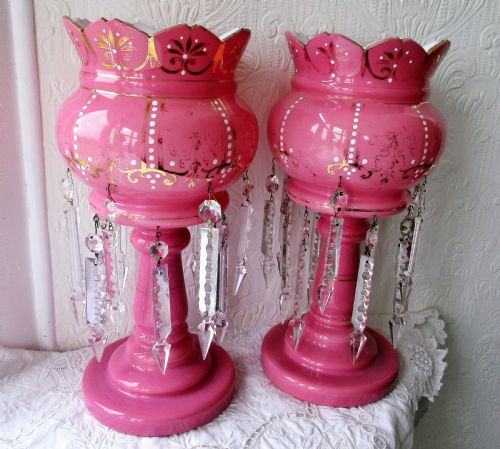
Victorian and nineteenth-century examples dominate the selection, often taking the form of ruby, green, or pink glass lustres hung with glass drops. Georgian and Regency pieces appear as heavy rummers and faceted wine glasses.
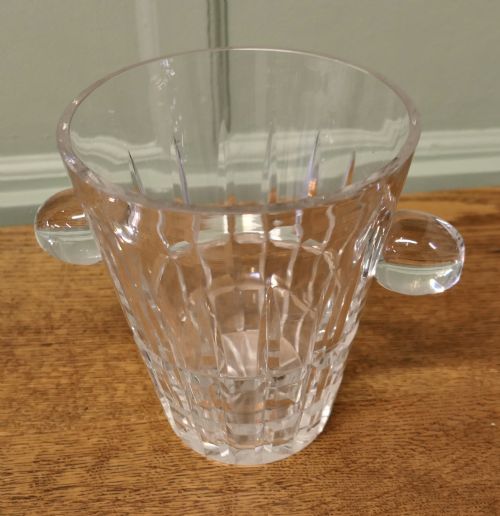
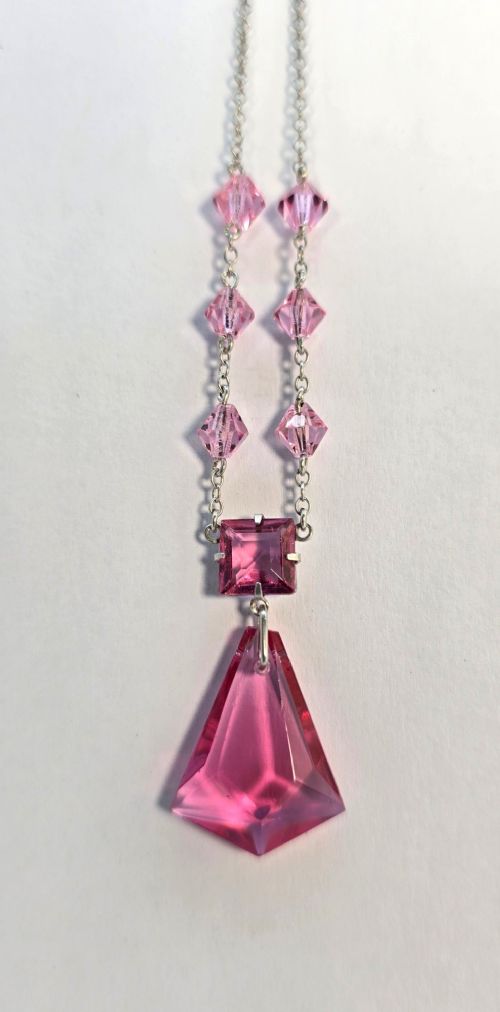
Twentieth-century examples shift towards Art Deco French crystal ice buckets, heavy lead crystal wine coolers, and necklaces. Bohemian overlay goblets and gilt glass feature among the continental items.
Materials and construction
Items are formed from glass, crystal, and heavy lead crystal, sometimes enhanced by ruby, green, pink, or amber coloration. Decoration incorporates enamel, gold leaf, and hand-painted porcelain plaques alongside wheel cutting.
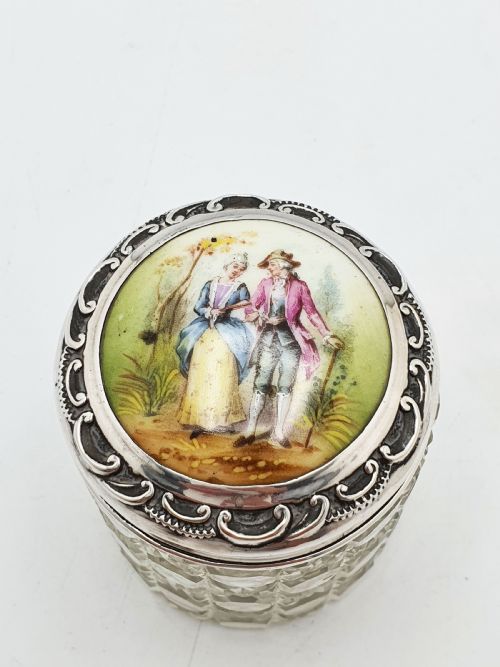
Manufacturing methods combine hand blowing with precision wheel cutting to create faceted surfaces and geometric patterns. Metal mounts in sterling silver and gilt bronze accompany specific decanters, vanity jars, and centrepieces.
Hand Cut Glass Retail Price Guide 2026
Typical asking prices for hand cut glass among the pieces listed under this phrase on Sellingantiques today, from the lower quarter to the upper quarter. They describe what is for sale here now, not the wider market.
Glass wine coolers and ice buckets from the 1920s prove that earlier generations took their champagne chilling just as seriously as we do.
Distinctions in quality
Quality rests upon the crispness of the wheel-cut facets and the weight of the crystal or glass body. Substantial lead crystal and deep, sharp cutting distinguish superior tablewares and decanters from simpler pressed or light items.
The integration of secondary materials dictates tier, seen where silver mounts, gilt bronze figures, or hand-painted porcelain plaques complement the glass. Colour saturation and overlay techniques in Bohemian and Victorian pieces also separate standard items from finer works.
The Hand Cut Glass Glossary
- Mantle Lustre
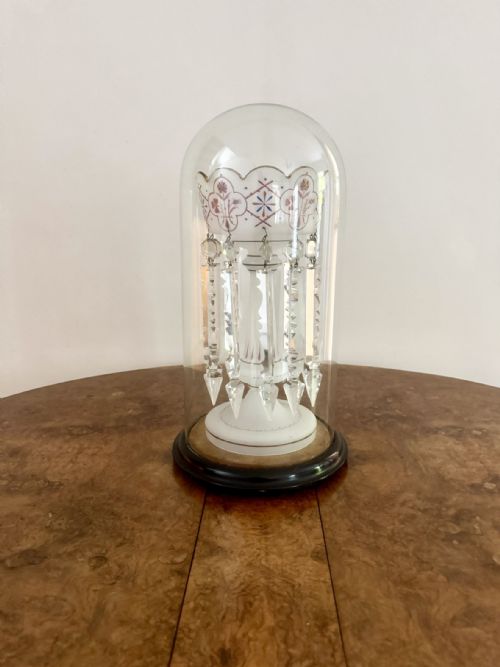
- A decorative tabletop ornament featuring a central stem and bowl hung with cut glass prisms or spear-shaped drops. These pieces originated in the Georgian period and remained popular through the Victorian era.
- Lead Crystal
- Glass containing a high proportion of lead oxide, which increases weight, clarity, and the refractive index for cutting. This material allows for sharp facets that catch the light effectively.
- Overlay Glass
- A vessel constructed from multiple distinct layers of coloured and clear glass, where the outer layer is partially cut away to reveal the contrasting colour underneath. Bohemian makers utilised this technique extensively.
- Rummer
- A large, sturdy drinking glass with a short stem and a capacious bowl used for punch, rum, or ale. Georgian examples often display heavy faceted lower bowls.
- Comport
- A shallow decorative bowl raised on a pedestal foot, used for serving fruit or sweets. These items are frequently hand-blown and heavy-cut in nineteenth-century crystal.
Hand Cut Glass: Frequently Asked Questions
What is hand cut glass?
Hand cut glass refers to vessels and decorative objects shaped and patterned by artisans holding the glass against a rotating cutting wheel. This technique creates deep facets, flutes, and geometric designs that define pieces from the Georgian, Victorian, and Art Deco eras.
The resulting items range from functional decanters and wine glasses to ornamental lustres and centrepieces, all distinguished by the tactile texture of the cut surfaces.
How do I identify Victorian glass lustres?
Victorian glass lustres typically consist of a pedestal base supporting a vase-like body with an everted rim, from which long glass pendants or drops are suspended by wire. They appear in colours such as ruby, green, and pink, often accented with gilt decoration.
These ornaments were designed for placement on mantelpieces to reflect candlelight through their hanging prisms, serving a decorative rather than practical function in the nineteenth-century home.
How should I clean antique cut glass?
Antique cut glass requires careful washing in warm water with mild soap, avoiding sudden temperature changes that can stress the material. Soft cloths and non-abrasive brushes help preserve the sharp edges of the hand-cut facets.
Items with metal mounts, silver lids, or gilt decoration must be kept dry and hand-washed strictly around the glass portions to prevent damage to the historic finishes.