






Hand Cut Crystal Glasses
These hand cut crystal glasses and associated vessels bring weight and brilliance to any table through precise faceting.
Hand Cut Crystal Glasses
When searching for hand cut crystal glasses, buyers encounter a diverse selection of drinking vessels, wine glasses, and decanters shaped by historic techniques. The pieces available span several eras, including the Georgian, Regency, Victorian, and Art Deco periods.
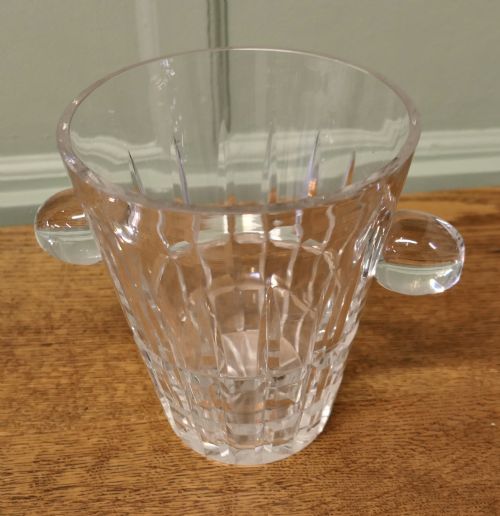
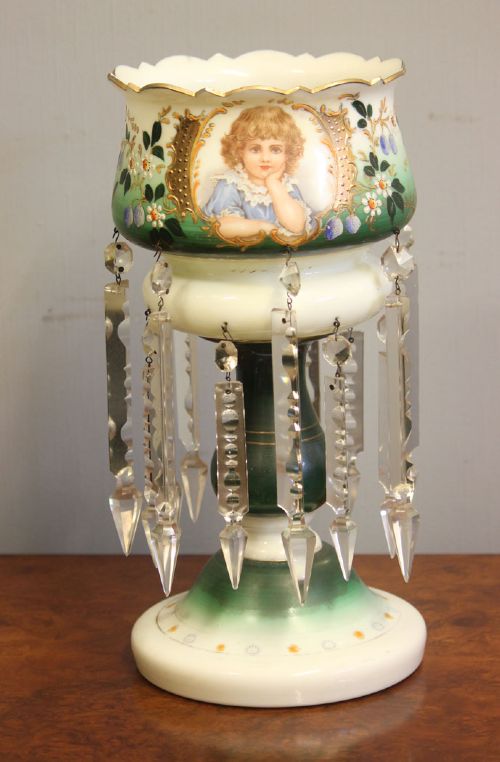
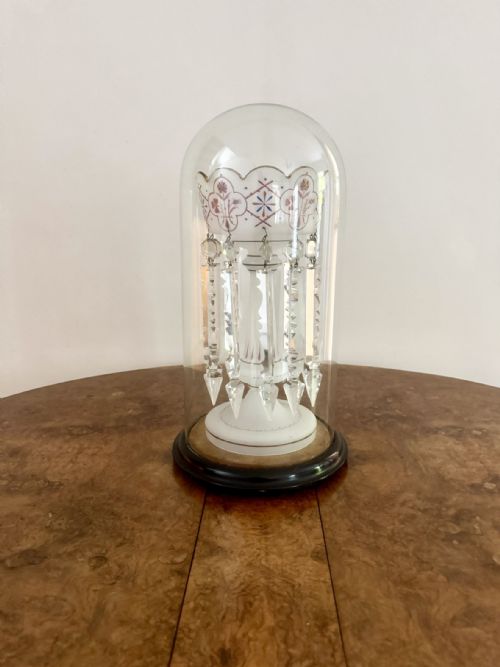
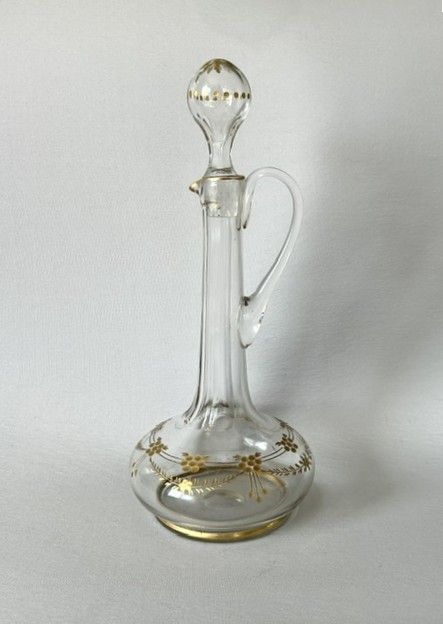
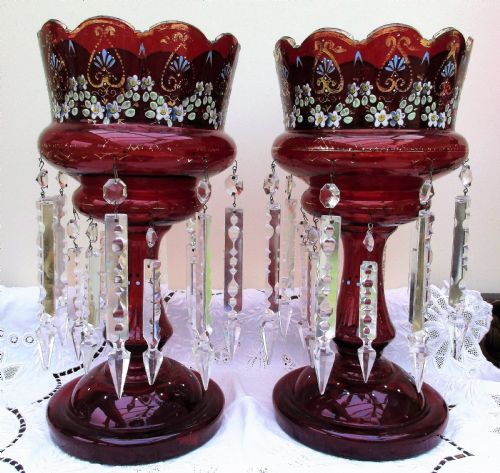
The assortment extends beyond drinking vessels to encompass table and mantle lustres, ewers, centrepieces, and ice buckets. These items originate from English, French, and Bohemian makers, utilising heavy lead crystal and coloured glass.
Drinking glasses appear alongside larger display forms like pedestal bowls and comports, showing faceted stems and decorated bowls. Each piece demonstrates the heavy cutting typical of 19th and early 20th century production.
How they were made
The makers utilised hand blowing to form the initial shape of the vessel before applying wheel-cutting techniques to create facets, diamonds, and flutes. Heavy lead crystal provided the necessary density and clarity for deep cuts to catch the light.
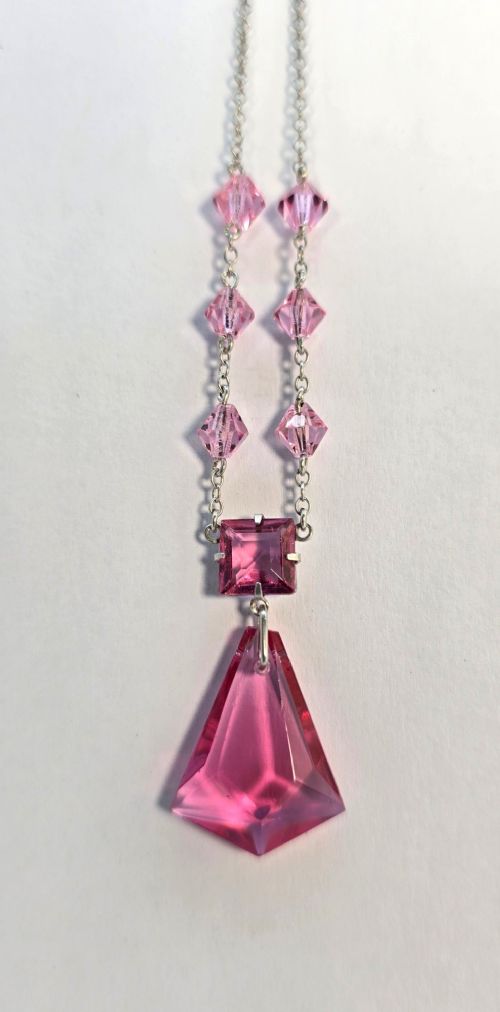
Surface decoration frequently involved gilding, enamelling, and overlay methods where layers of coloured glass were cut away to reveal contrasting tones beneath. Artisans combined these methods with silver mounts and bronze fittings on specific serving pieces.
Hand Cut Crystal Glasses Retail Price Guide 2026
Typical asking prices for hand cut crystal glasses among the pieces listed under this phrase on Sellingantiques today, from the lower quarter to the upper quarter. They describe what is for sale here now, not the wider market.
The selection includes items spanning from the Georgian and Regency eras through the Victorian period and into 1920s Art Deco designs.
What varies in quality
Quality separates through the crispness of the cutting and the depth of the facets into the material. Superior pieces display sharp, clean edges along the cuts without softening or wobble in the pattern.
The weight of the lead crystal and the clarity of the metal influence the overall calibre of the vessel. Better examples maintain balanced proportions, particularly in stems and bases, alongside precise application of any overlay or gilding.
The Hand Cut Crystal Glasses Glossary
- Lead crystal
- Glass containing a high proportion of lead oxide, which increases weight, brilliance, and the softness required for deep cutting.
- Overlay glass
- A technique involving two or more distinct layers of glass fused together, where the outer layer is partially cut away to expose the colour underneath.
- Faceting
- The process of grinding flat planes into the surface of the glass to reflect light.
- Comport
- A large pedestal bowl or dish used for serving fruit or sweetmeats at the table.
- Mantle lustre
- A decorative ornamental vase or urn fitted with hanging glass prisms, designed for display on a mantelpiece.
Hand Cut Crystal Glasses: Frequently Asked Questions
Can I use these glasses daily?
Many of these drinking glasses are robust enough for occasional use, provided you handle them with care and avoid stacking them. Their historic nature means hand washing is essential after every use.
Consider reserving them for special dinners to protect the delicate faceted stems and decorated bowls from accidental knocks.
What is the difference between glass and crystal?
Crystal contains lead oxide, which gives the material greater weight, a clearer ring when struck, and softer properties that make deep cutting easier. Standard glass lacks this lead content and feels lighter.
This increased density allows artisans to achieve the sharp, deep facets seen on period decanters and wine glasses.
How do I date cut crystal?
Dating relies on the style of the cutting, the shape of the bowl or stem, and the colour of the glass itself. Georgian and Regency pieces often feature heavy faceted stems, while Victorian items introduce ruby and green hues with lustres.
Art Deco examples from the 1920s tend toward geometric forms and heavy lead crystal cruet sets or ice buckets.