

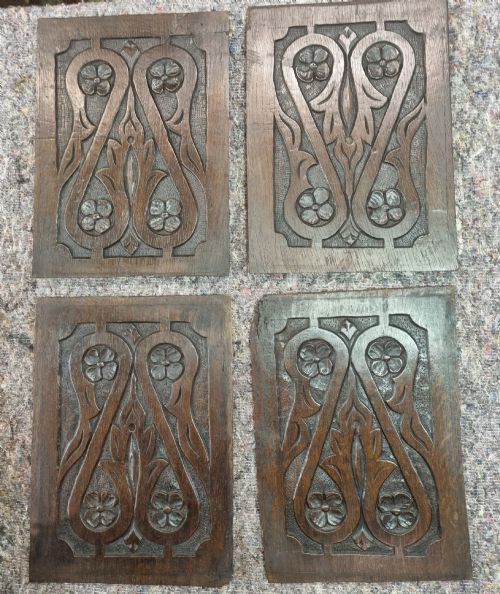
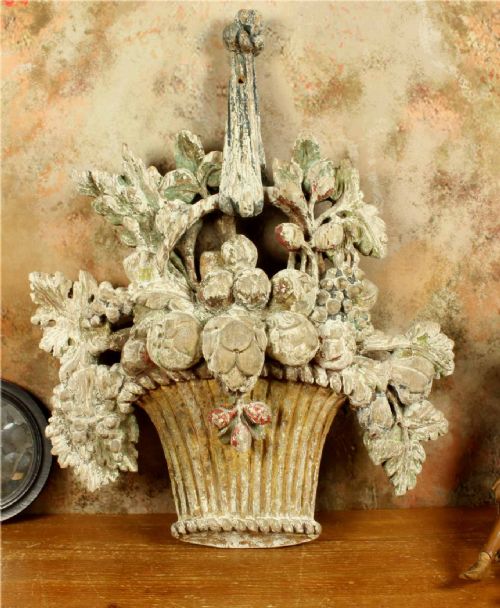
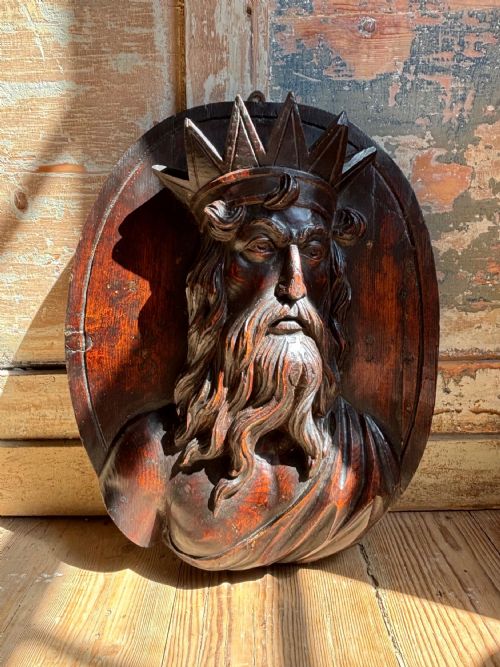
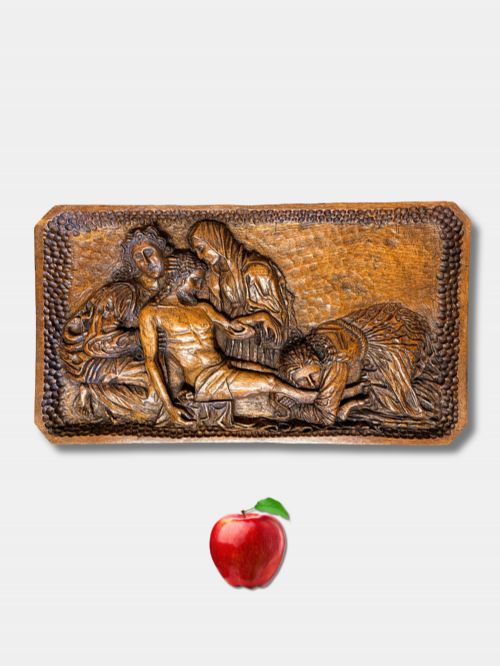
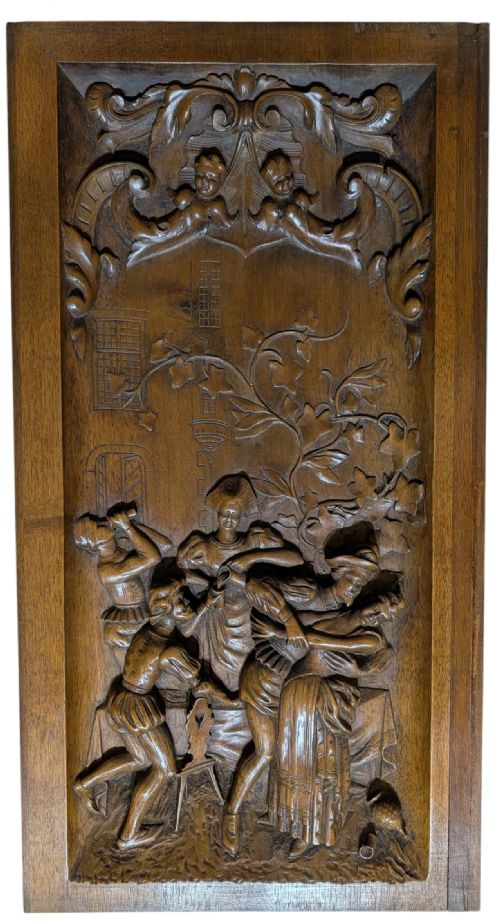


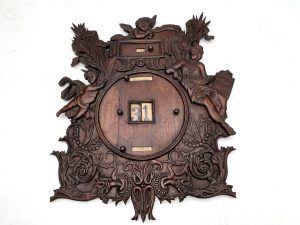


Hand Carved Wooden Plaque
A hand carved wooden plaque brings deep texture and history to a room, offering everything from Baroque crests to Black Forest animal studies.
Hand Carved Wooden Plaque
When you search for a hand carved wooden plaque, you encounter a broad category of decorative wall art, architectural salvage, and relief carvings spanning several centuries. The pieces range from seventeenth-century Italian chestnut panels depicting religious scenes to nineteenth-century Black Forest wildlife carvings and twentieth-century Arts and Crafts animal studies.
Oak and assorted dense timbers dominate the selection, often shaped into wall plaques, architectural fragments, and temple panels. European workshops and Asian traditions both contribute significantly to the variety found within these listings.
How they were made
Carvers shaped these pieces using seasoned timbers such as oak, walnut, teak, and chestnut, applying hand chisels and gouges directly to the grain. Many items receive supplementary surface treatments including polychrome paint, gold leaf, or dark lacquer to accentuate the relief depth.
Architectural fragments and temple panels often originate from larger structures like carts, doors, or religious buildings, subsequently adapted for wall hanging. Joinery methods reflect the period of origin, from primitive pegged construction in earlier centuries to later framed hardwood panels.
Hand Carved Wooden Plaque Retail Price Guide 2026
Typical asking prices for hand carved wooden plaque among the pieces listed under this phrase on Sellingantiques today, from the lower quarter to the upper quarter. They describe what is for sale here now, not the wider market.
Animals gaze down from several walls here, featuring Black Forest foxes, a tiger head, and a flamingo.
What varies in quality
The definition and depth of the chisel work separate master carvers from standard regional artisans, particularly in the rendering of musculature, foliage, and facial expressions. Crisp undercut details create dramatic shadow play that shallow, hurried carving simply cannot achieve.
The integrity of the timber and the preservation of original surface treatments dictate the standing of a piece. Retaining authentic early paint, gilt, or untouched patinated wood elevates the historical weight of the carving.
The Hand Carved Wooden Plaque Glossary
- Relief
- Sculpture technique where figures project from a flat background. High relief elements emerge significantly from the plane, creating strong shadows.
- Polychrome
- Painted in several colours. This surface treatment appears on armorial crests and religious icons from earlier centuries.
- Treen
- Small handmade wooden objects for domestic or personal use. Architectural fragments sometimes fall into this category when sourced from larger fittings.
- Cartouche
- An oval or oblong frame enclosing a design, crest, or inscription. These often appear on nineteenth-century European emblems and architectural panels.
- Architectural salvage
- Elements rescued from buildings undergoing demolition or alteration. Many wall panels and door fragments begin their lives this way.
Hand Carved Wooden Plaque: Frequently Asked Questions
How do I hang a heavy wooden plaque safely?
Heavy carved panels require secure wall fixings suited to the weight of dense timbers like oak or walnut. Use brackets or heavy-duty D-rings screwed directly into the solid frame rather than relying on decorative trim.
Ensure the fixing engages wall studs or utilises appropriate cavity anchors to prevent the piece from pulling free over time.
How should I clean an antique carved panel?
Remove dust gently using a soft, dry brush to avoid disturbing vulnerable edges or flaking paint. Avoid using water, damp cloths, or modern chemical polishes on aged wooden surfaces.
Natural wax can be applied sparingly to unpainted timbers if the surface appears dry, but leave painted or gilded panels untouched.
Can these plaques be hung in a bathroom?
Bathrooms experience fluctuating humidity and moisture levels that cause old timber to expand, contract, and crack. Historic glues and original paint layers suffer particularly in damp environments.
Keep these wall carvings in stable, dry living spaces away from direct heat sources and steam.
How can I tell the age of a carved wooden panel?
Examine the back of the timber for tool marks, fixing methods, and natural ageing of the wood. Hand-adzed boards and pegged joints typically point to earlier centuries.
Compare the stylistic motifs, such as Baroque scrolls or Arts and Crafts flora, with documented regional design periods.