




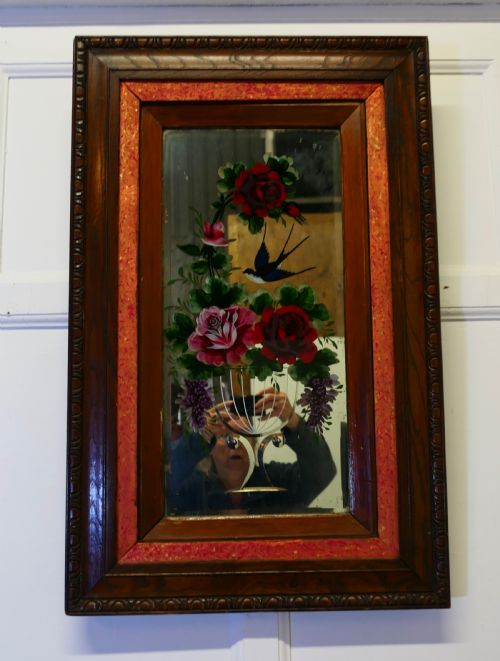
Hand Carved Wood Frame
A hand carved wood frame brings tactile depth to a wall, holding mirrors, portraits, and signs with a rich artisan touch.
Hand Carved Wood Frame
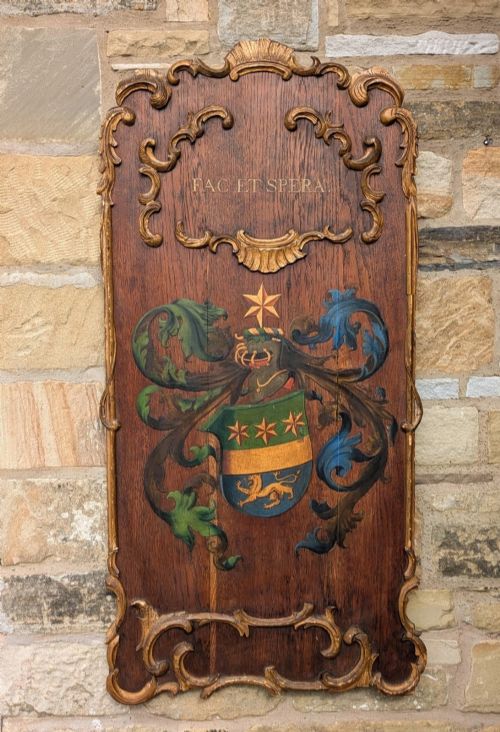
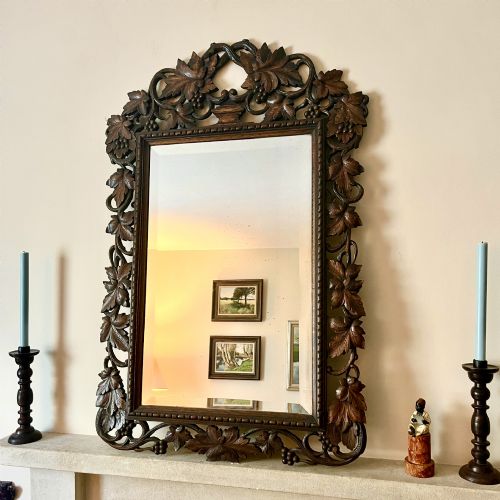
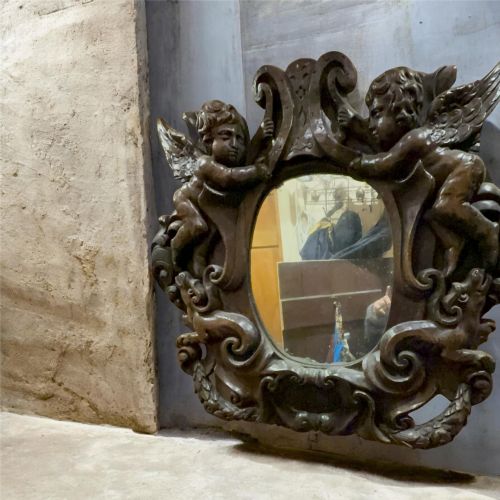
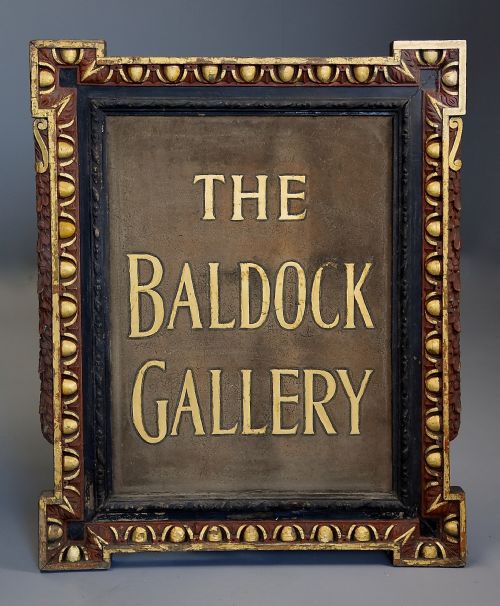
A hand carved wood frame offers a tangible connection to nineteenth and eighteenth-century craftsmanship through varied regional styles. Buyers seeking a hand carved wood frame encounter formats ranging from sturdy oak wall mirrors to intricate Black Forest carvings and decorative Italian gilt work.
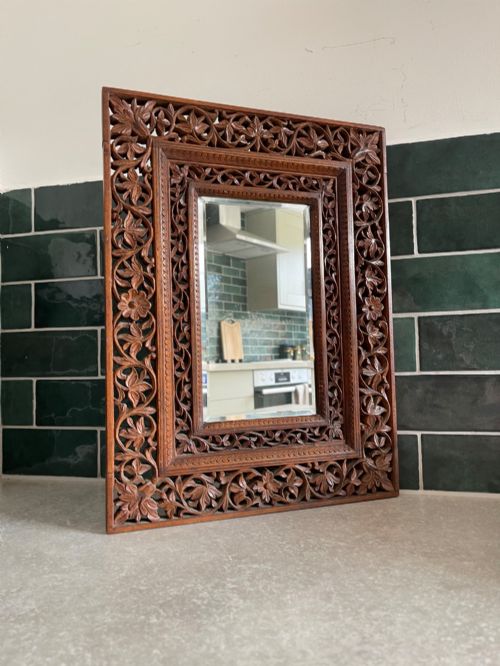
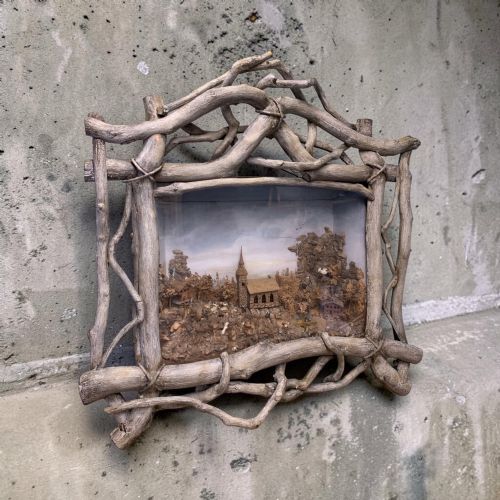
Examples span simple folk art tramp designs to elaborate rococo pier glasses and regional Asian hardwoods. Each object reflects the specific carving traditions and domestic interiors of its period of origin.
Materials and construction methods
Makers shaped these frames from solid timbers including oak, teak, limewood, and walnut, employing hand chisels and gouges to achieve high-relief ornamentation. Timber selection depended on regional availability, with European workshops favouring oak and limewood, while others utilised exotic hardwoods.
Surface decoration frequently involved applied gesso, gold leaf gilding, polychrome paint, or natural wax polishing to protect and enhance the grain. Subsidiary elements incorporated mirror glass, brass fittings, and mother-of-pearl inlays secured with traditional joinery.
Hand Carved Wood Frame Retail Price Guide 2026
Typical asking prices for hand carved wood frame among the pieces listed under this phrase on Sellingantiques today, from the lower quarter to the upper quarter. They describe what is for sale here now, not the wider market.
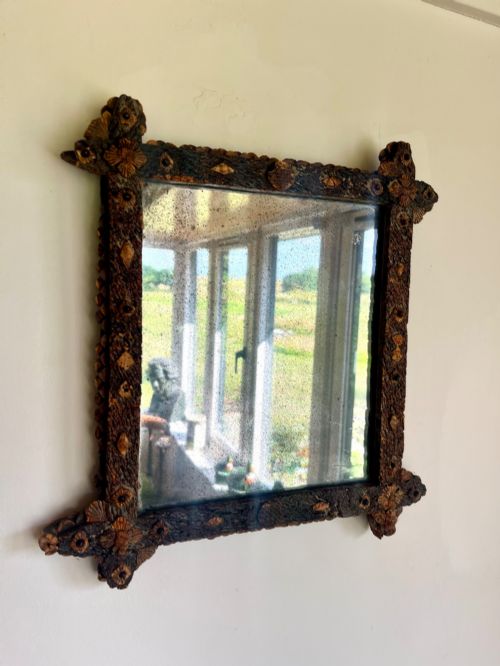
Some makers repurposed humble cigar boxes into intricate tramp art frames using only a pocket knife and glue.
Quality and execution
Superior quality rests in the crispness and depth of the chisel work, where undercut details and balanced proportions demonstrate the carver's direct control. Lesser examples show flattened relief, mechanical sanding marks, or hasty assembly that lacks the natural flow of organic motifs.
The integrity of the timber and the preservation of original surface treatments dictate the enduring character of the piece. Retaining original gilt layers or authentic patination elevates an object above items stripped and refinished in later decades.
The Hand Carved Wood Frame Glossary
- Black Forest carving
- A style of wood carving originating in Switzerland and Germany known for naturalistic animal and foliage motifs. These pieces typically utilise deep relief work on dark timbers like limewood.
- Tramp art
- A form of folk art created by layering notched and chipped pieces of scrap wood, often from cigar boxes. Makers built picture frames and decorative objects using simple pocket knives.
- Gilt wood
- Wood coated with a thin layer of gold leaf over a prepared gesso base. This finish provides a luminous surface that catches candlelight and natural illumination.
- Pier glass
- A tall mirror designed to hang on the wall between windows. These frames frequently match console tables and feature elaborate crestings.
- Polychrome
- Decoration employing multiple distinct colours applied to wood or plaster surfaces. Artisans used this technique to render figurative scenes and floral patterns with vivid realism.
Hand Carved Wood Frame: Frequently Asked Questions
How do I date a carved wooden frame?
Dating relies on examining the tool marks left behind by the carver, the species of timber used, and the construction joints at the corners. Early examples display hand-sawn timber and forged iron nails or pegged mortise and tenon joints.
Secondary indicators include the composition of the gesso, the type of mirror glass with its specific bevel or silvering, and stylistic markers tied to Victorian or earlier decorative periods.
Where should I hang these frames?
These pieces suit positions where their three-dimensional relief can catch angled natural light, such as beside windows or above mantelpieces. They function effectively as standalone wall art or as functional surrounds for mirrors and portraits.
Placement should avoid areas of high humidity or direct sunlight to protect vulnerable gilt surfaces, painted details, and dry historic timber from warping.
How do I clean an antique frame?
Maintenance requires only gentle dusting with a soft, dry brush to remove particulate matter from deep recesses and carved undercuts. Moisture and modern chemical cleaning agents must be avoided entirely to prevent stripping historic patination or dissolving water-soluble gesso.
Professional conservators should handle structural repairs, loose gesso stabilization, or the cleaning of degraded gilt layers to preserve the integrity of the object.
What is tramp art?
Tramp art is a utilitarian folk art tradition where makers constructed decorative objects by layering notched, chipped, and geometric pieces of scrap wood. The characteristic texture comes from utilising pocket knives to carve small V-shaped grooves along the edges of thin wooden slats.
Commonly produced during the nineteenth and early twentieth centuries, these frames often feature stacked pyramidal designs and rich, dark wax finishes.