



Hand Carved Wood Busts
Hand carved wood busts bring character and striking presence to a room, offering finely worked portraits and figures shaped from walnut, pearwood, and oak.
Hand Carved Wood Busts
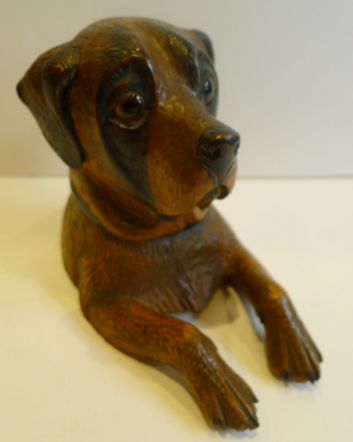
Hand carved wood busts encompass sculptural portraits, wall plaques, and figural studies originating from various periods including the eighteenth and nineteenth centuries, as well as the early twentieth century. When exploring hand carved wood busts, you encounter distinct stylistic traditions ranging from Black Forest animal carvings and Tyrolean art to folk art, tribal art, and Victorian Gothic designs.
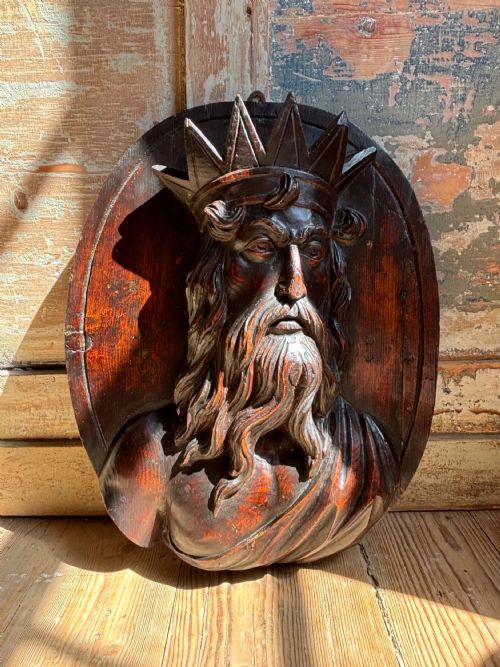
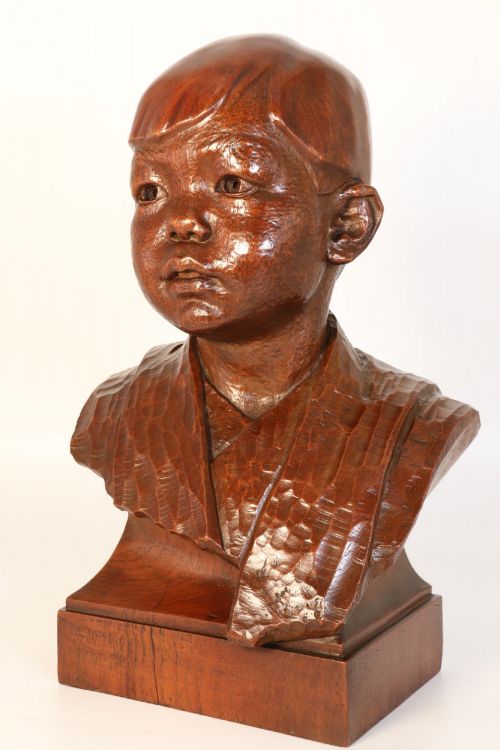
The subjects depicted vary widely, covering human forms such as a boy, a monk, an old woman, a noble lady, historical figures like Oliver Cromwell and Neptune, alongside animal studies including a tiger head and a dog. These pieces take the form of freestanding sculptures, wall sculptures, and functional items like novelty inkwells.
Originating across different regions and maker workshops, these carvings reflect diverse cultural and artistic expressions, from European folk traditions to African tribal art and early twentieth century modernism. Each piece captures the distinct personality or mythological identity of its subject through direct sculptural work in timber.
Materials and Carving Techniques
Makers utilised dense timbers well suited to intricate detail, predominantly selecting walnut, pearwood, fruitwood, and oak alongside general hardwood and timber. These woods provided the necessary grain structure and durability for detailed facial expressions, hair textures, and deep relief work.
Sculptors worked directly with hand tools such as chisels and gouges to shape raw blocks of wood into lifelike busts, plaques, and figural studies. The surfaces often retain tool marks or receive smooth finishes that highlight the natural grain and warmth of the underlying material.
Hand Carved Wood Busts Retail Price Guide 2026
Typical asking prices for hand carved wood busts among the pieces listed under this phrase on Sellingantiques today, from the lower quarter to the upper quarter. They describe what is for sale here now, not the wider market.
The selection includes European folk art, Tyrolean pieces, Black Forest animal studies, and signed portrait sculptures by named makers.
Assessing Sculptural Quality
Quality in these carvings rests on the precision of the anatomical execution and the depth of expression captured in the face or figure. Superior examples demonstrate a careful command of proportion and texture, particularly in rendering hair, clothing folds, and lifelike gazes.
The distinction between standard decorative work and exceptional pieces often lies in the authorship, with signed works by known sculptors carrying greater artistic weight. Additionally, the crispness of the carving and the preservation of fine details across the timber surface define the higher tiers of craftsmanship.
George Henry Paulin RBS·Boudewijn Tuerlinckx
The Hand Carved Wood Busts Glossary
- Black Forest
- A style of wood carving originating from the Brienz region of Switzerland, known for realistic animal figures and detailed foliage. These pieces often utilise lime or walnut wood.
- Pearwood
- A fine-grained, hard fruitwood favored by carvers for its smooth texture and ability to hold extremely sharp, minute details without splitting.
- Folk art
- Art produced from an indigenous culture or peasant society, reflecting traditional motifs and craftsmanship rather than formal academic training. It values directness and expressive character.
- Walnut
- A heavy, durable timber with a rich brown colour and distinct grain, frequently chosen by carvers for nineteenth-century portrait busts and sculptural studies.
- Tyrolean art
- Carving traditions stemming from the Tyrol region of the Alps, typically characterised by regional folk subjects, deep relief, and expressive wooden figures.
Hand Carved Wood Busts: Frequently Asked Questions
How do I care for an antique wood carving?
Keep wooden sculptures away from direct sunlight and sudden temperature changes to prevent the timber from drying out and cracking. Maintain a stable indoor environment.
Dust the surface gently with a dry, soft cloth. Avoid using liquid polishes, silicone sprays, or damp cloths which can damage the aged patina of the wood.
Are all carved busts signed by the artist?
Many historical carvings remain unsigned because they were produced anonymously within regional workshops, folk art traditions, or commercial carving centres.
Signed pieces usually bear an artist signature, monogram, or paper label, often associated with named sculptors who exhibited or maintained formal studio practices.
What is the difference between folk art and studio carvings?
Folk art carvings stem from traditional, often self-taught makers focusing on regional subjects and expressive character rather than strict academic rules. They celebrate vernacular charm.
Studio carvings reflect academic training, precise anatomical study, and formal sculptural techniques executed by professional artists working within established European art traditions.