


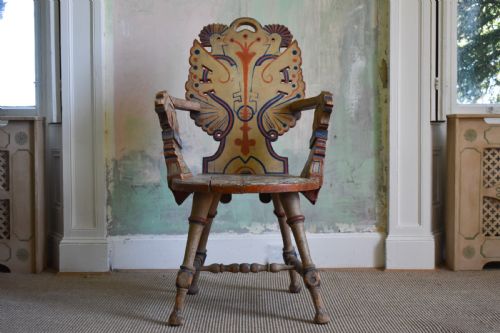


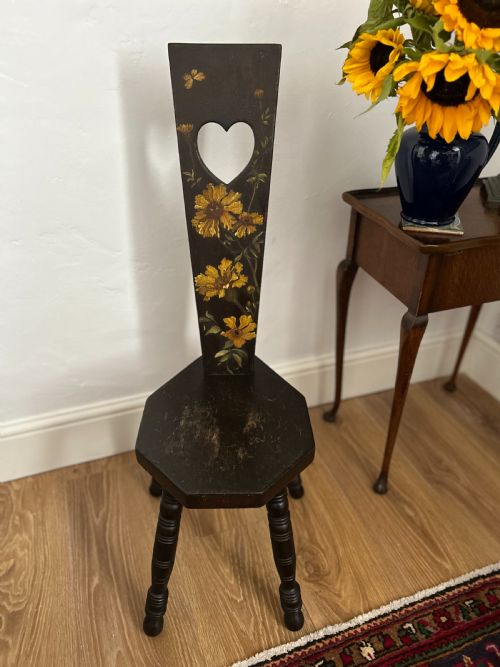
Hand Carved Chair
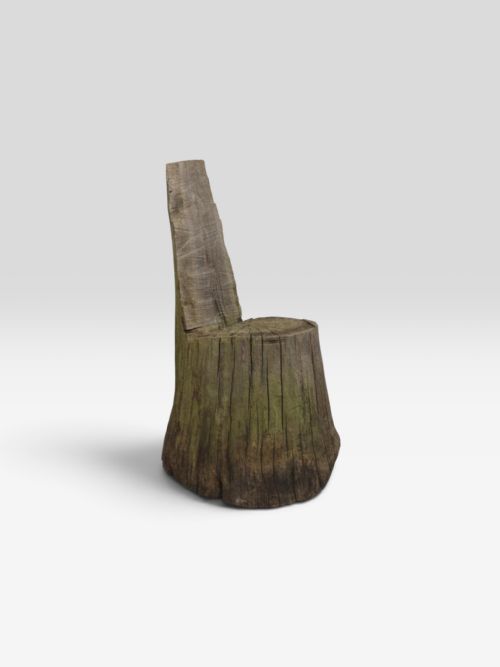
A hand carved chair brings tactile depth to a room, offering sculptural form and artisan detail shaped from solid timber.
Hand Carved Chair
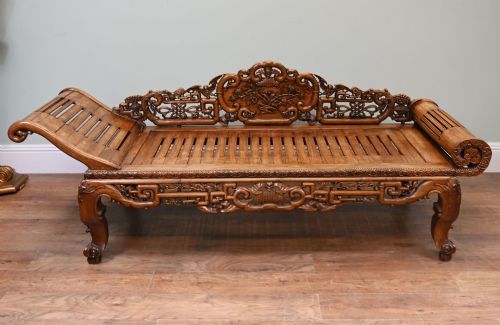
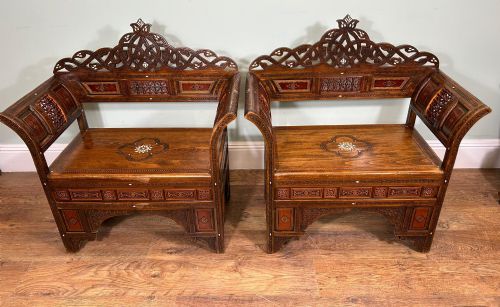
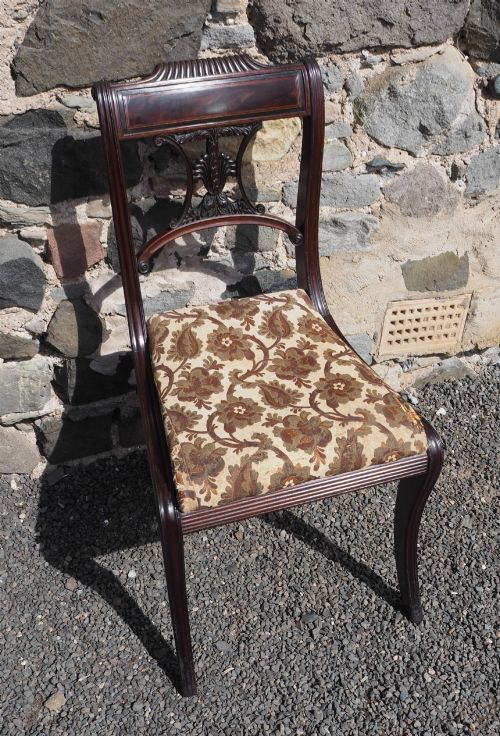
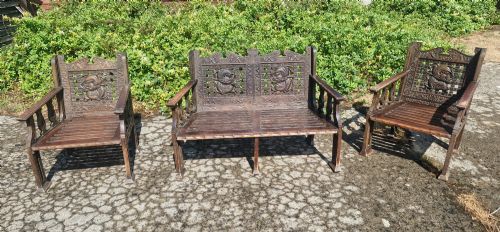
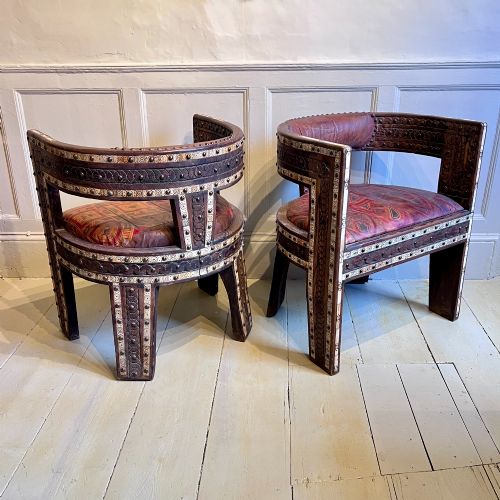
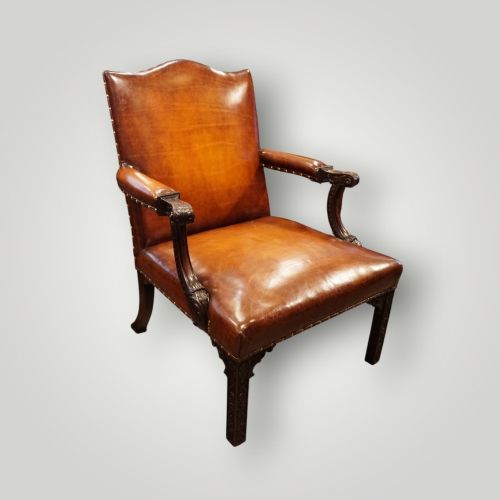
When you search for a hand carved chair, you encounter a diverse gathering of seating spanning centuries and continents, from provincial European rustic pieces to ornate Anglo-Indian and Chinese hardwood seating. The varieties on this page range widely in form, including armchairs, side chairs, dining chairs, hall chairs, and folding chairs.
The periods represented stretch from the 18th century through the Victorian and Edwardian eras into the early 20th century, displaying distinct regional carving traditions. You are most likely to meet solid wood frames shaped by hand, incorporating leather, fabric, or brass details.
Origin and style vary from Georgian mahogany and Welsh oak to Burmese padauk, Syrian inlay, and Swiss folk art. Each region brings a distinct vocabulary of ornament, executed in native hardwoods.
How they were made
Maker's hands shaped these forms from solid hardwoods such as mahogany, walnut, oak, teak, padauk, and elm using chisels and gouges to cut directly into the timber. Frames often joined traditional mortise and tenon construction with intricate surface relief, piercing, or sculptural elements.
Upholstery and decorative additions completed many of these frames, utilising hand-dyed leather, woven fabric, mother-of-pearl inlay, brass accents, and painted finishes. Some regional works relied entirely on structural woodworking and pierced panels without upholstery.
Techniques varied from the crisp blind fretwork of Georgian workshops to the fluid, deep relief carving found in Anglo-Indian padauk seating and the folk carving of Swiss mountain chairs.
Listings feature timbers including mahogany, walnut, oak, teak, padauk, and elm across periods from the 18th century to the 1930s.
What varies in quality
The standard of a hand carved chair rests on the depth and crispness of the carving, where the rhythm of the chisel work defines the character of the ornament. Superior examples display confident, undercut relief that integrates cleanly into the structural lines of the timber.
Material selection dictates longevity and presence, with dense timbers like Cuban mahogany, walnut, and padauk holding sharp carved details far better than softer woods. The integrity of the joinery and the harmonious balance between decorative carving and structural frame separate utilitarian pieces from masterworks.
The Hand Carved Chair Glossary
- Blind Carving
- Carved ornamentation applied to a flat surface in low relief, often seen on Georgian mahogany frames where the pattern does not pierce the wood.
- Padauk
- A heavy, durable tropical hardwood with a reddish hue, frequently utilised in Anglo-Indian and Burmese seating for intricate carved details.
- Gondola Chair
- An upholstered armchair with a curved, concave backrest resembling the silhouette of a Venetian boat, common in the 18th century.
- Spinning Chair
- A small, low-seated chair with a high back, traditionally used for domestic textile work and often decorated with folk painting or carving.
- Giltwood
- Timber treated with a thin layer of gold leaf, applied to decorative frames such as Italian 18th-century seating.
Hand Carved Chair: Frequently Asked Questions
How do I identify a Georgian hand carved chair?
Georgian pieces typically utilise dense mahogany or walnut, featuring classic proportions and precise hand-cut details like blind fretwork or cabriole legs.
The joinery is robust and traditional, often reflecting distinct periods such as the mid-18th century or the Regency revival.
What is a folk art chair?
Folk art chairs are vernacular pieces made by regional craftsmen or rural communities, such as Swiss mountain chairs or Swedish and Welsh seating.
They prioritise local utility and rustic charm, often featuring painted surfaces, carved animal motifs, or unusual structural shapes.
How should I care for antique leather upholstery?
Antique leather requires gentle maintenance to preserve its hand-dyed finish and suppleness over decades of daily use.
Avoid direct sunlight and harsh cleaning agents, treating the hide periodically with appropriate conservation balms to maintain the material.