

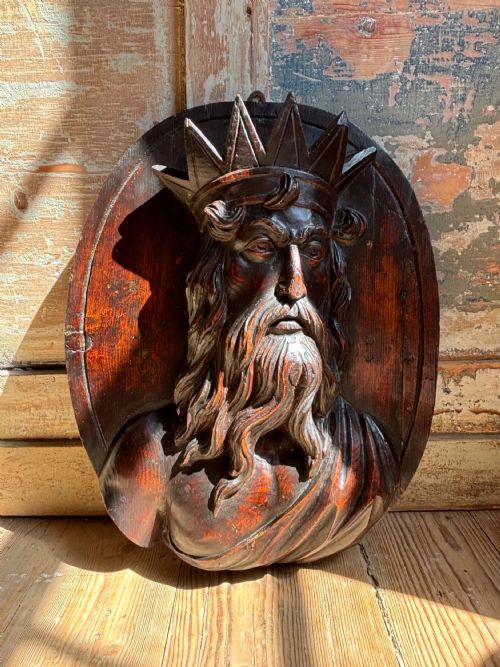
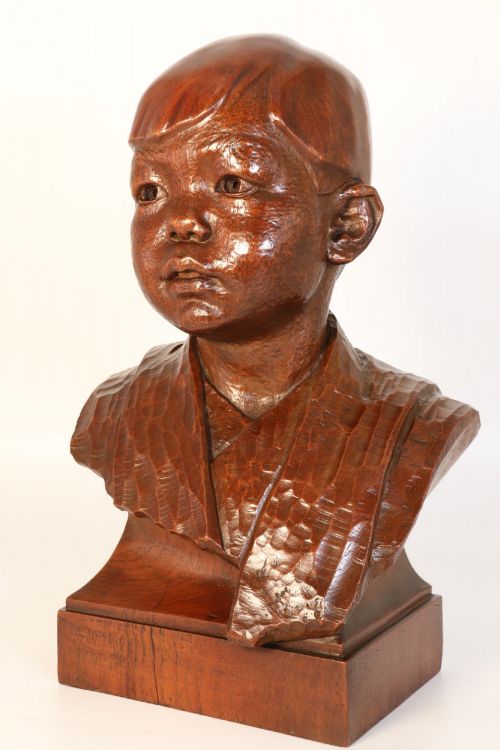



Hand Carved Bust
A hand carved bust brings character and individual presence into a room, drawing the eye with the directness of sculpted form.
Hand Carved Bust
A hand carved bust captures a specific human or animal likeness in three dimensions, ranging from life size portrayals to smaller folk art studies. When you search for a hand carved bust, you encounter diverse interpretations carved from timber, walnut, oak, and soapstone across periods spanning the eighteenth century to early modernism.
The objects on this page include portrait studies of historical figures, traditional tribal works, folk art puppet heads, and expressive character pieces. Wooden sculptures and wall plaques complete the selection, reflecting varied cultural origins and stylistic traditions.
Victorian and early twentieth-century examples dominate the offerings, often displaying the distinctive marks of regional carvers and folk traditions. These pieces function as independent sculptures or decorative elements within an interior scheme.
Materials and technique
Carvers shaped these pieces primarily from solid hardwoods such as walnut, oak, and pear wood, utilising traditional hand gouges, chisels, and mallets to remove material. The grain of the timber directly dictates the surface texture and influences the final depth of the carved details.
Hand Carved Bust Retail Price Guide 2026
Typical asking prices for hand carved bust among the pieces listed under this phrase on Sellingantiques today, from the lower quarter to the upper quarter. They describe what is for sale here now, not the wider market.
Oliver Cromwell rubs shoulders with a carved tiger head and a dog inkwell in the lineup.
Judging quality in carved sculpture
Quality rests upon the carver's anatomical understanding and the confidence of the tool marks left within the wood. Superior examples demonstrate fluid handling of hair, expression, and drapery that brings vitality to the static material.
The selection of the timber and how well the carver worked with its natural grain structure distinguishes standard production from master craftsmanship. Signed pieces by recognised sculptors often display a sharper definition in the carving and a more resolved composition.
George Henry Paulin RBS·Boudewijn Tuerlinckx
The Hand Carved Bust Glossary
- Polychrome paint
- Pigment applied to the surface of a carved wooden object to add colour and realism. This finish can alter the visual weight of the sculpture significantly.
- Folk art
- Objects created within a traditional community or by self-taught makers, often prioritizing expressive character over academic proportions. These pieces carry regional stylistic traits.
- Black Forest
- A style of wood carving originating from the mountainous region of central Europe, renowned for realistic depictions of animals and rustic subjects. Walnut is frequently utilised in these works.
- Inkwell
- A small desk accessory designed to hold writing ink, sometimes taking the form of a carved animal head or figural bust with a hinged lid. They combine decorative sculpture with utility.
Hand Carved Bust: Frequently Asked Questions
What periods do these busts represent?
The listings span from the eighteenth century through the Victorian era and into early twentieth-century modernism. Each period brings distinct stylistic conventions and carving techniques.
Earlier pieces often depict notable historical figures or classical subjects, while later works lean toward folk art, regional traditions, and expressive portraiture.
How were wooden busts displayed originally?
Sculptural busts were typically placed on pedestals, tabletops, or brackets to allow viewers to examine the form from multiple angles. Wall plaques were mounted directly onto timber panels or walls.
Milliner's heads and puppet heads served functional purposes in workshops or performances before entering domestic collections as decorative objects.
How do I care for a wooden sculpture?
Keep wooden and painted carvings away from direct heat sources and strong sunlight to prevent the timber from drying out or splitting. Dust gently with a dry, soft cloth.
Avoid applying modern polishes or cleaning agents, particularly on pieces with polychrome paint surfaces, as moisture can damage the historic finish.
What is the difference between folk art and academic carving?
Folk art carvings are usually created outside formal academic training systems, displaying charming asymmetries and direct interpretations of human or animal subjects. They emphasise bold character over strict anatomical proportion.
Academic works, by contrast, follow classical training rules with precise attention to human anatomy, expression, and refined surface smoothing.