
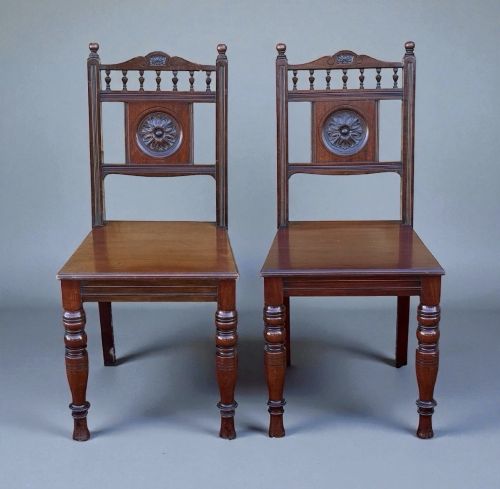
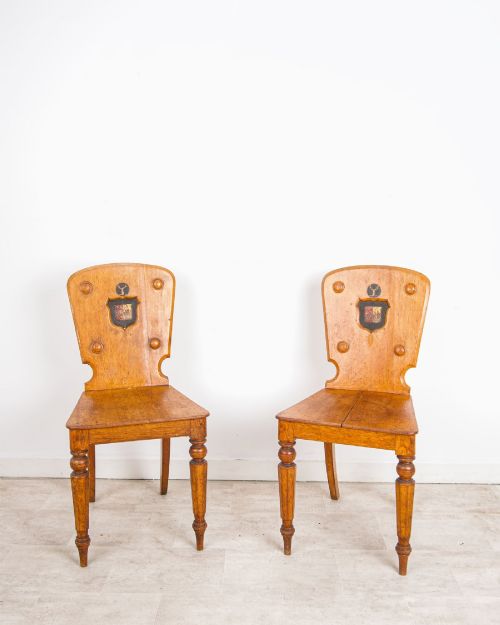
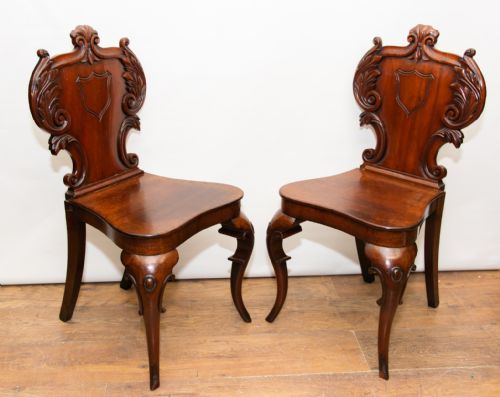
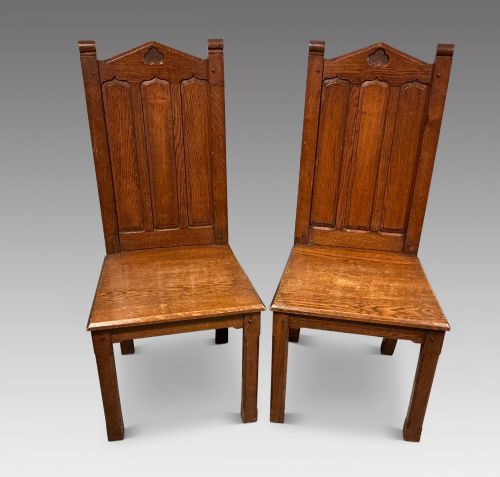


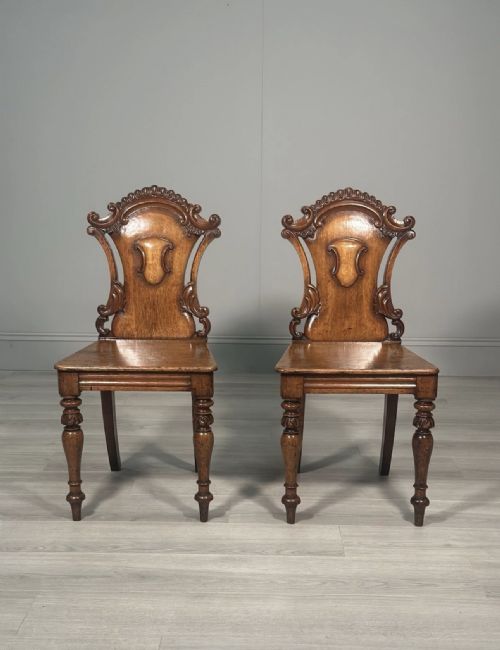

Hallway Seating Pair
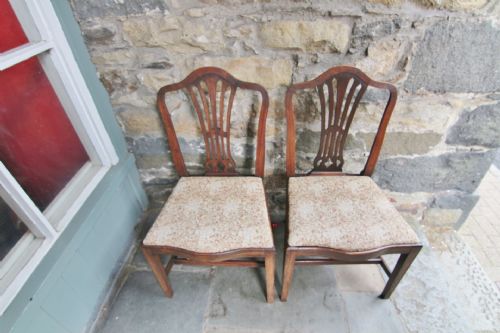
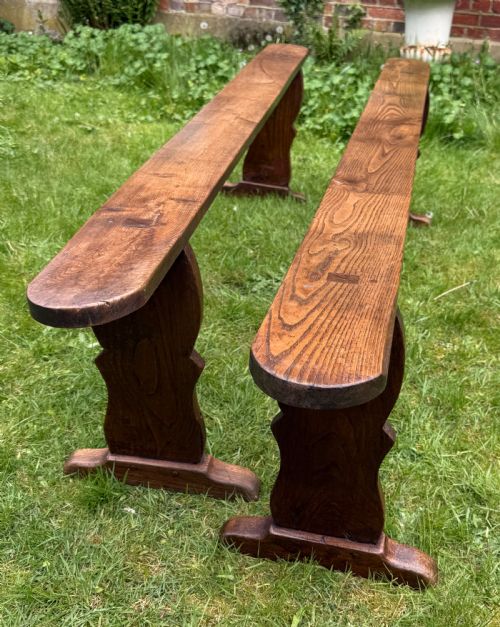
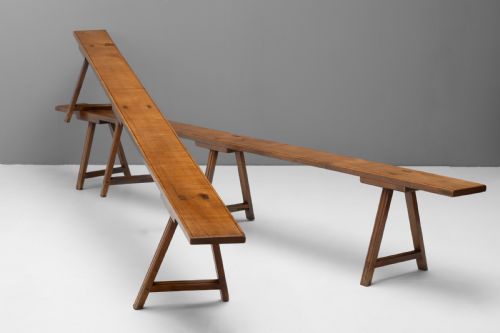
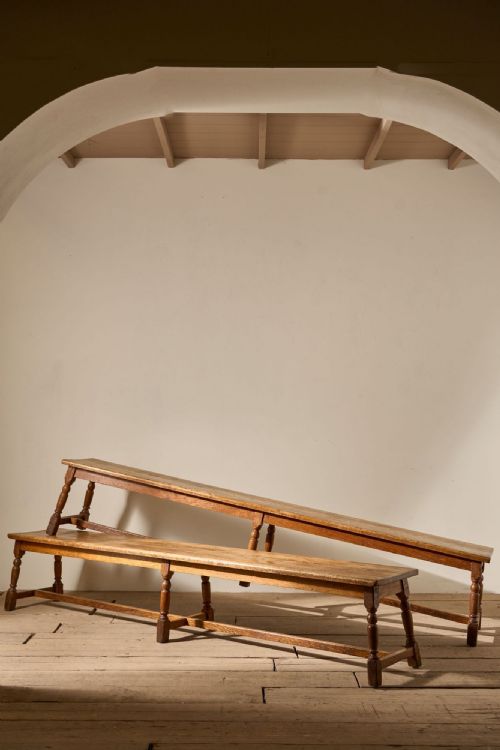
A hallway seating pair provides matching furniture for an entrance space, drawing together antique forms in oak, mahogany, and walnut.
Hallway Seating Pair
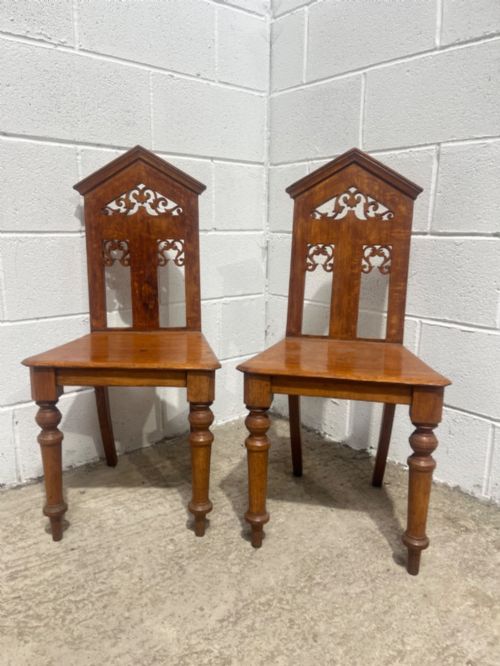
A hallway seating pair delivers matching seats for an entrance space, bringing together two identical pieces from the same period. The selection on this page centres primarily on 19th Century and Victorian examples alongside Regency and William IV pieces.
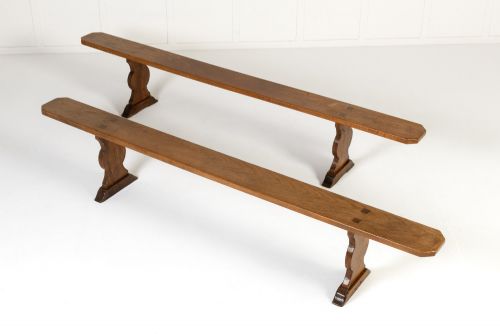
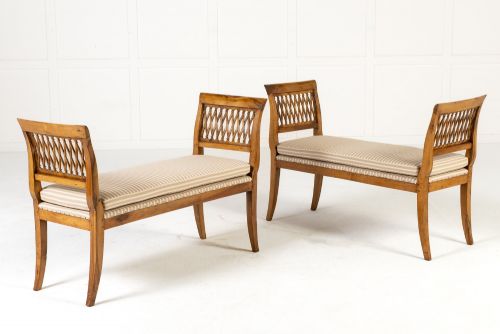
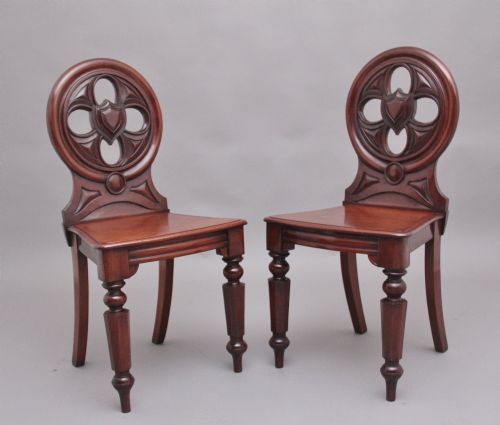
Buyers encounter forms such as hall chairs, benches, window seats, and side chairs constructed in timber. Oak and mahogany appear most frequently, accompanied by walnut, cherry, and pitch pine.
Origin details in the evidence span English, French, Italian, and Scottish workshops. Pieces range from plain timber designs to carved iterations featuring heraldic shields, shell backs, and Gothic details.
Materials and construction
Carpenters utilised solid hardwoods including oak, mahogany, walnut, cherry, and pitch pine to build these frames. Timber selection determined both the weight and the durability of the seating.
Carving and joinery defined the ornamentation, with artisans cutting heraldic shields, shell backs, and Gothic Revival motifs directly into the wood. Brass mounts also appear on specific benches.
Upholstery fabric and textiles provided softer surfaces on window seats and designated upholstered chairs. These materials were secured to internal frames alongside brass fittings.
Listings include oak, mahogany, walnut, cherry, and pitch pine across 19th Century periods.
Qualities that separate examples
The precision and depth of the timber carving set apart different examples. Deeply articulated relief work on shield backs and shell motifs demands greater skill than plain surfaces.
The choice of primary timber influences the construction calibre, with dense hardwoods providing structural stability over centuries of use. Matching grain patterns across a pair demonstrate careful material selection by the maker.
The integrity of the original joints determines the physical condition of the seating. Sound construction without excessive replacement timber maintains the historical character of the pair.
Gillows·Shoolbred
The Hallway Seating Pair Glossary
- Hall chair
- A rigid wooden seat traditionally placed in an entrance hallway. These chairs typically feature solid timber seats and decorative carved backs.
- Window seat
- A long narrow bench designed to fit within a window recess. These items frequently incorporate upholstered cushions and textile coverings.
- Gothic Revival
- An architectural and decorative style drawing inspiration from medieval design. This aesthetic appears on chairs through pointed arches and heavy carved tracery.
- Shield back
- A chair back shaped in the form of a heraldic shield. Carvers often placed family crests or coats of arms within the centre of these wooden panels.
- Shell back
- A carved chair back resembling an open scallop shell. This decorative motif gained popularity during the Regency and Victorian periods.
Hallway Seating Pair: Frequently Asked Questions
What is a hallway seating pair?
A hallway seating pair consists of two matching chairs or benches designed for an entranceway. They offer coordinated seating for guests arriving at a home.
These pieces typically feature narrow profiles to fit narrow corridors without obstructing movement. The matching nature of the pair creates visual symmetry in the interior scheme.
Where were hall chairs placed?
Hall chairs stood in entrance halls, corridors, and landings of large houses. Visitors waited on them while hosts were notified of their arrival.
Because they were meant for short durations of waiting, these chairs intentionally lacked upholstery in many traditional designs. Their wooden seats encouraged upright posture.
How do I identify Victorian pieces?
Victorian items date from the reign of Queen Victoria and encompass styles like Gothic Revival and Aesthetic Movement. They utilise heavy timbers such as oak and mahogany.
Carved decoration on Victorian examples tends to be deep and robust. Makers often incorporated regional timber varieties alongside imported hardwoods during this era.
Are benches and window seats the same?
Benches provide long wooden seating surfaces supported by legs or panel ends. Window seats share this elongated form but traditionally accompanied domestic window alcoves.
Window seats frequently incorporated fabric upholstery and textiles for added comfort. Benches in the evidence rely primarily on exposed timber construction.