







Hallmarked Silver Ornament
A hallmarked silver ornament brings tactile weight and character to a desk or table, ranging from intricate animal figures to functional novelties.
Hallmarked Silver Ornament
A hallmarked silver ornament encompasses a diverse group of decorative and functional objects produced primarily during the Victorian, Edwardian, and mid-century periods. These items include novelty pin cushions shaped like animals, figural pepper pots, menu holders, and desk accessories.
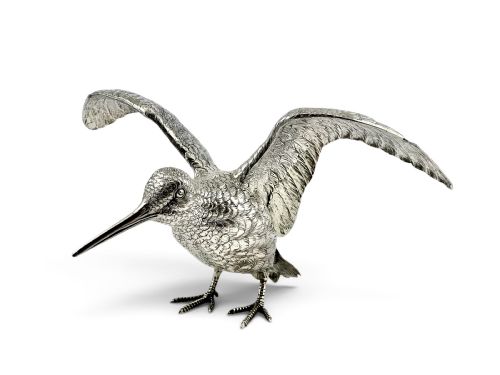
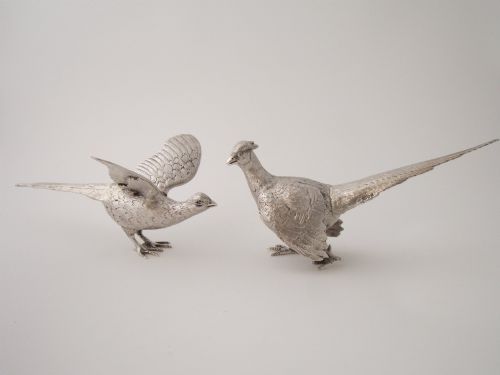
Buyers frequently encounter Edwardian and Victorian sterling silver pieces designed with distinct sculptural detail, such as birds, tortoises, and owls. Many of these objects combine solid silver with secondary materials like wood, glass, and velvet to create practical desk furnishings and tabletop displays.
The assortment spans from miniature cast figures to substantial inkstands and presentation folding chairs, reflecting the varied tastes of past decades. Each piece bears official hallmarks that verify the metal standard and trace the origin of manufacture to specific British assay offices.
Materials and construction
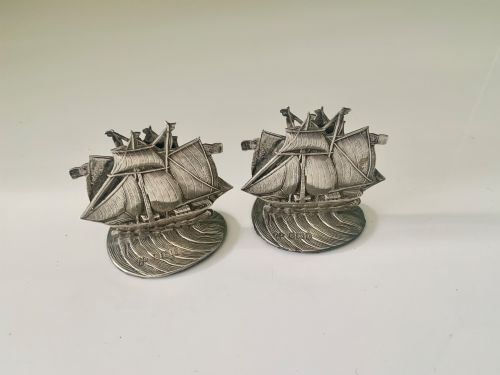
Silversmiths utilised sterling silver alongside casting techniques to shape three-dimensional figures of animals, chess knights, and galleon ships. Molten or sheet metal was hammered, chased, and cast to achieve fine textures like feathers, fur, and clothing folds.
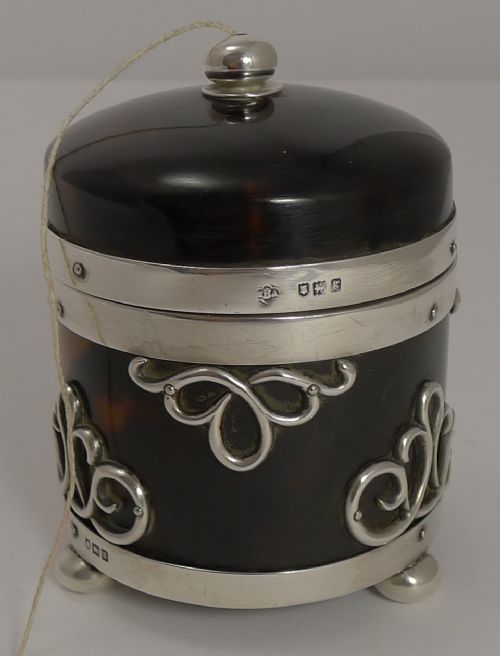
Secondary elements such as blue velvet backs, wooden plinths, glass vessels, and vitreous enamel were integrated into frames, inkstands, and presentation pieces. Natural bristle and tortoise shell further complemented the silver framework in items like desk bells and string boxes.
Hallmarked Silver Ornament Retail Price Guide 2026
Typical asking prices for hallmarked silver ornament among the pieces listed under this phrase on Sellingantiques today, from the lower quarter to the upper quarter. They describe what is for sale here now, not the wider market.
Listings feature items spanning the Victorian, Edwardian, and mid-century periods, incorporating materials such as sterling silver, vitreous enamel, and velvet.
Assessing quality and craftsmanship
The structural integrity of composite objects, such as tortoiseshell boxes or velvet-backed photo frames, influences the overall standard. Clear, complete hallmarks and robust weight also distinguish superior items from lighter, less substantial productions.
Berthold Muller
The Hallmarked Silver Ornament Glossary
- Hallmark
- A series of official marks stamped on precious metals to guarantee the purity of the silver, the maker, and the year of assay. These stamps provide a reliable method for dating British pieces.
- Sterling silver
- An alloy containing a high proportion of pure silver combined with other metals to increase durability. This standard material forms the body of most antique ornaments.
- Chasing
- A metalworking technique where the silversmith punches and indents the front surface of the metal to create decorative low-relief designs and textures. It brings fine detail to figures and decorative plaques.
- Vitreous enamel
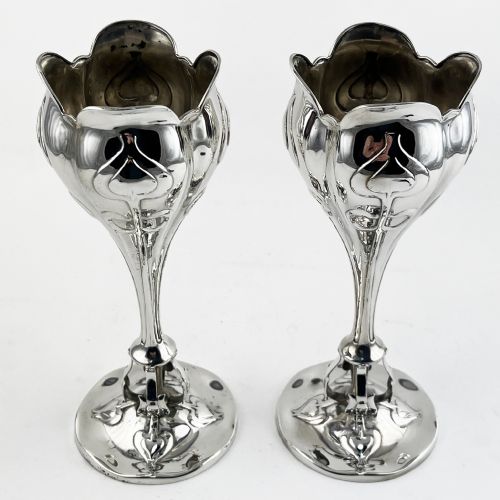
- A coloured glassy substance fused to the surface of metal through high-temperature firing. It adds vibrant colour highlights to Arts and Crafts presentation pieces.
- Assay office
- An official body responsible for testing precious metal items and stamping them with statutory hallmarks. British offices include London and Chester.
Hallmarked Silver Ornament: Frequently Asked Questions
How do I read silver hallmarks?
Silver hallmarks typically consist of a maker mark, a standard mark indicating sterling purity, an assay office mark, and a date letter. Together, these symbols identify where and when an item was made.
Reference books and online date letter charts help decode the specific stamps found on British silver.
How were silver animal figures used?
Many silver animal ornaments served dual purposes as functional objects such as pin cushions, pepper pots, or paperweights. Others functioned purely as decorative table ornaments or display pieces.
Victorian and Edwardian desks often featured these whimsical items to add personality and refinement to everyday stationery tasks.
How should I clean antique silver?
Antique silver requires gentle cleaning with a soft microfibre cloth and specialised silver polish formulated to preserve patination. Avoid abrasive cleaners that can wear away fine chasing and engraved details.
Store pieces in dry environments away from direct sunlight to maintain the integrity of integrated materials like velvet or enamel.