



Hallmarked Silver Animal
These hallmarked silver animal items bring character to a room, ranging from functional pepper pots to novelty pin cushions.
Hallmarked Silver Animal
When you search for hallmarked silver animal, you encounter a varied group of objects spanning the Victorian, Edwardian, and mid-century periods. These items encompass utilitarian forms like pepper pots and condiment sets alongside decorative figures and desk accessories.
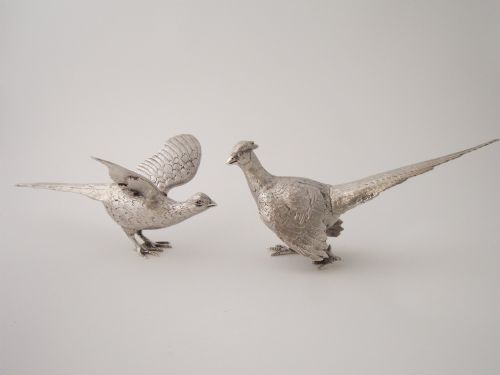
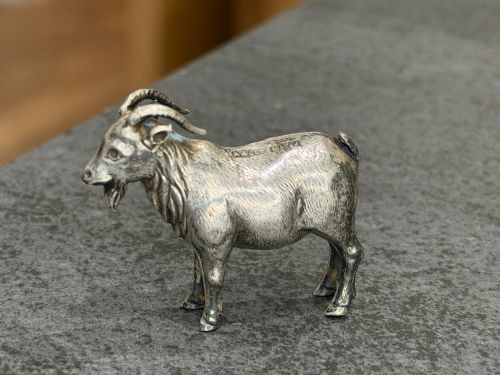
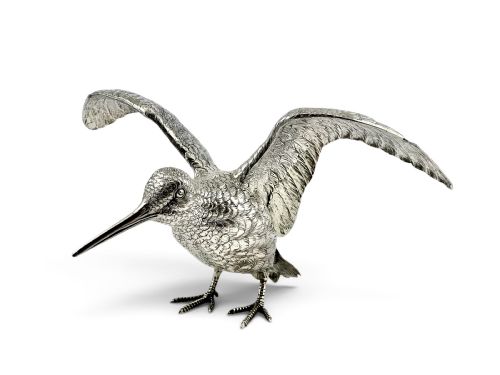
Pin cushions take whimsical shapes including kangaroos, mini goats, camels, and stags, often drawing on Edwardian novelty designs. Figures of running foxes, woodcocks, and birds sit alongside walking sticks topped with hare heads and owls mounted on ebony plinths.
How they were made
Silversmiths utilised casting techniques to shape sterling silver into detailed animal forms, evident in birds and running foxes. Certain pin cushions incorporate materials like fabric, velvet, and wood to support the functional padding.
Makers integrated natural elements such as black ebony wood for plinths, while pepperettes and condiment sets utilise hallmarked sterling silver for the main bodies. Walking sticks combine wooden shafts with silver tops formed as animals.
Hallmarked Silver Animal Retail Price Guide 2026
Typical asking prices for hallmarked silver animal among the pieces listed under this phrase on Sellingantiques today, from the lower quarter to the upper quarter. They describe what is for sale here now, not the wider market.
Walk down the street supported by a silver hare.
What varies in quality
The degree of anatomical detail separates standard items from superior pieces, particularly in cast figures and novelty pin cushions. Crispness of the hallmarks and the preservation of original fabric or velvet inserts influence the standing of an object.
Makers such as Berthold Muller demonstrate high levels of craftsmanship in bird figures, distinguishing them from unrecorded workshop output. The integration of contrasting materials, including ebony plinths and glass components, impacts the overall execution.
Berthold Muller
The Hallmarked Silver Animal Glossary
- Hallmark
- Official stamps applied to precious metals indicating standard of purity, place of assay, and date of manufacture. These marks provide essential historical context for antique silver.
- Pin Cushion
- A small domestic object designed to hold pins, frequently fashioned into novelty animal shapes during the Edwardian era. Collectors prize these for their imaginative forms.
- Pepperette
- A small shaker used for dispensing ground pepper, often produced in pairs or sets matching other condiment vessels. Victorian and Edwardian examples frequently adopt avian shapes like owls.
- Sterling Silver
- An alloy of silver containing ninety-two point five percent silver by mass and seven point five percent other metals, usually copper. This standard composition underpins British hallmarked wares.
Hallmarked Silver Animal: Frequently Asked Questions
What periods do these pieces date from?
The selection spans from the Victorian era through the Edwardian period and into the mid-twentieth century. Dates range from late Victorian examples up to items made in nineteen sixty-eight.
Specific years and stylistic markers align with assay office records and period manufacturing conventions.
How were silver animal pin cushions used?
These domestic items sat on dressing tables or desks to hold pins and needles within integrated velvet or fabric pads. They combined utility with decorative novelty appeal.
Victorians and Edwardians collected various animal forms as desk accessories and conversation pieces.
What animals appear in these designs?
Common subjects include birds such as woodcocks and owls, alongside mammals like stags, kangaroos, goats, camels, foxes, and hares. Each creature was interpreted through casting or novelty construction.
Some pieces function as pepper pots while others serve as walking stick handles or mounted figures.
Are these items marked with hallmarks?
Yes, these items feature hallmarks indicating sterling silver standard, assay office, and date letters where applicable. These stamps verify the metal purity and period of origin.
Assay marks help differentiate genuine antique pieces from later reproductions.