



Hallmarked Gold Pendant
A hallmarked gold pendant carries official stamps that prove its metal content, offering both decorative beauty and documented pedigree.
Hallmarked Gold Pendant
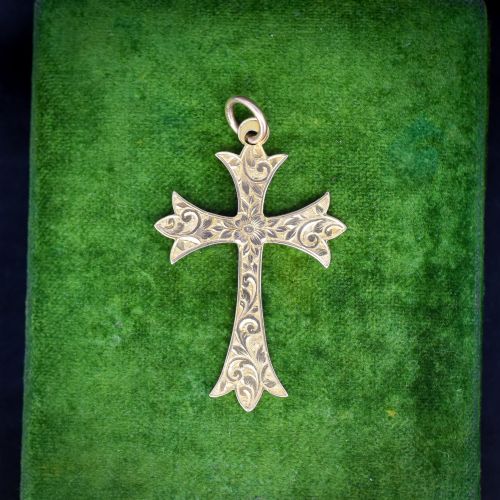
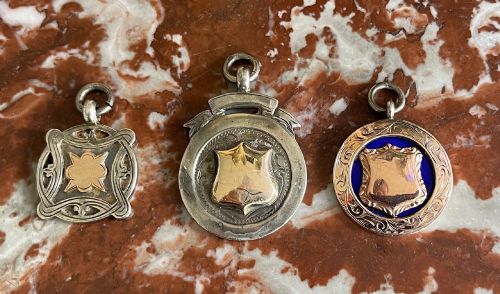
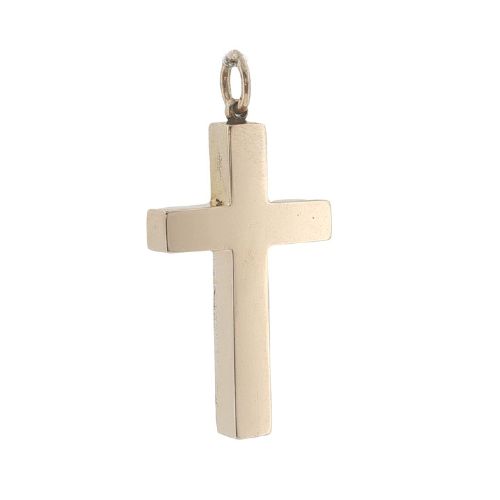
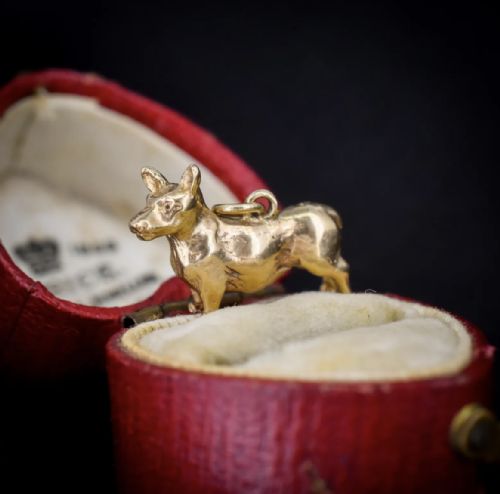
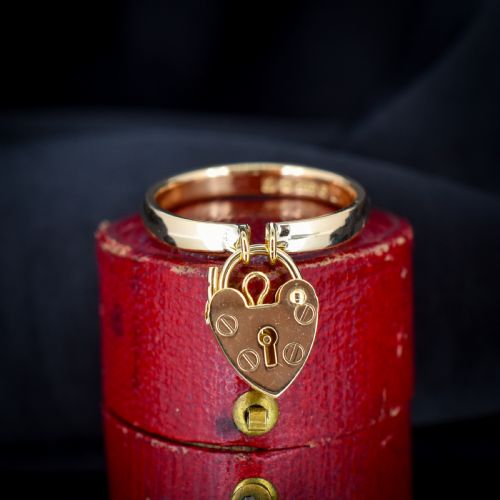
When you search for a hallmarked gold pendant, you encounter wearable items stamped with official assay office marks to guarantee metal purity. The selection includes crosses, figurative charms, lockets, and medals spanning the Victorian era through the mid-twentieth century.
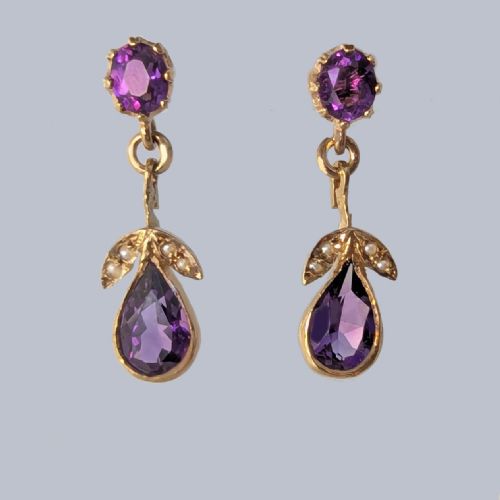
The version most commonly met on this page is the nine-carat or fifteen-carat yellow gold piece, often originating from British assay offices in cities such as Birmingham, London, and Sheffield. These items frequently combine traditional casting or engraving with gemstones like diamonds, amethysts, seed pearls, and rubies.
Beyond standard pendants, the inventory includes watch fobs and convertible brooch pendants that reflect changing fashions across successive decades. Each piece bears the physical marks left by makers and assayers, providing a tangible link to its year and place of creation.
How they were made
Metals such as nine-carat, fifteen-carat, and eighteen-carat gold form the structural foundation of these items, shaped into yellow, rose, and white varieties. Goldsmiths utilised casting, stamping, and hand engraving to build intricate forms like puffy hearts, crosses, and figural charms.
Gemstones including diamonds, amethysts, seed pearls, peridots, and rubies are integrated through flush settings, claw settings, or seed pearl stringing. Enamel work occasionally adds colour to surfaces, while official hallmarks are stamped directly into the metal to certify standard fineness.
Hallmarked Gold Pendant Retail Price Guide 2026
Typical asking prices for hallmarked gold pendant among the pieces listed under this phrase on Sellingantiques today, from the lower quarter to the upper quarter. They describe what is for sale here now, not the wider market.
What varies in quality
The clarity and depth of the official hallmarks influence the desirability of a piece, as crisp stamps make verification straightforward. Superior examples exhibit precise hand engraving and secure stone settings that hold gems firmly without excess adhesive or awkward alignment.
The thickness of the gold gauge and the integrity of hollow or solid construction determine how well a pendant withstands daily wear. Finer items retain their original proportions and structural soundness without thinning or distortion from previous repairs.
The Hallmarked Gold Pendant Glossary
- Hallmark
- An official stamp applied by an assay office to indicate the purity of the metal and the year of testing. These marks typically include a maker's mark, a standard fineness mark, and a date letter.
- Watch Fob
- A decorative pendant or charm attached to a pocket watch ribbon or chain. Many examples were later converted to be worn on neck chains.
- Seed Pearl
- A very small natural or cultured pearl, often drilled and threaded onto wire or silk. They are frequently found in clusters or floral designs on Victorian and Edwardian jewellery.
- Puffy Heart
- A hollow pendant formed from two convex metal halves joined together to create a three-dimensional heart shape. This style was particularly popular during the late Victorian period.
Hallmarked Gold Pendant: Frequently Asked Questions
How do I read a gold hallmark?
A standard British hallmark consists of several distinct punches that identify the sponsor or maker, the purity of the metal in carats, and the assay office responsible for testing. Additional symbols, such as date letters, indicate the exact year the piece was submitted for verification.
These tiny stamped impressions require a loupe to read properly. Consulting assay office reference charts helps match the specific letter fonts and shield shapes to their correct decades.
What is the difference between nine-carat and fifteen-carat gold?
Nine-carat gold contains thirty-seven point five percent pure gold alloyed with other metals to increase durability and alter colour. Fifteen-carat gold contains a higher proportion of pure gold at sixty-two point five percent, yielding a richer hue.
British makers utilised fifteen-carat gold extensively during the Victorian and Edwardian periods, whereas nine-carat gold became the dominant standard in later decades. Both metals accept hallmarks that verify their precise composition.
Can I wear my pendant every day?
Solid gold pendants generally tolerate regular wear, provided the suspension loops and jump rings remain secure. Items featuring delicate seed pearls or hollow construction require more careful handling to prevent crushing or stone loss.
Removing the pendant before swimming, sleeping, or engaging in heavy physical work protects the metal and any set gemstones from unnecessary strain or abrasion.
How should I clean my gold pendant?
Warm water mixed with a mild washing-up liquid and a soft brush removes everyday oils and dirt from gold surfaces. Items containing seed pearls or soft gemstones should not be soaked, as moisture can damage adhesive or natural organic material.
Dry the piece thoroughly with a lint-free cloth after cleaning. Professional ultrasonic cleaning is best avoided unless a jeweller confirms the specific stones can withstand the vibration.