


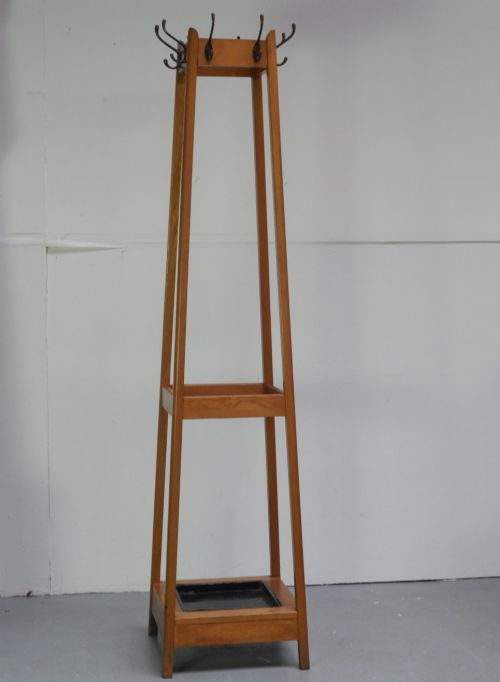
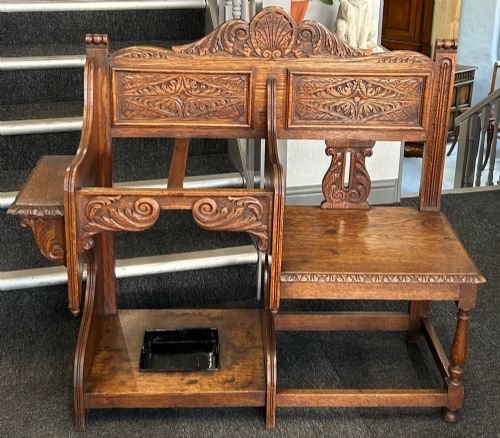
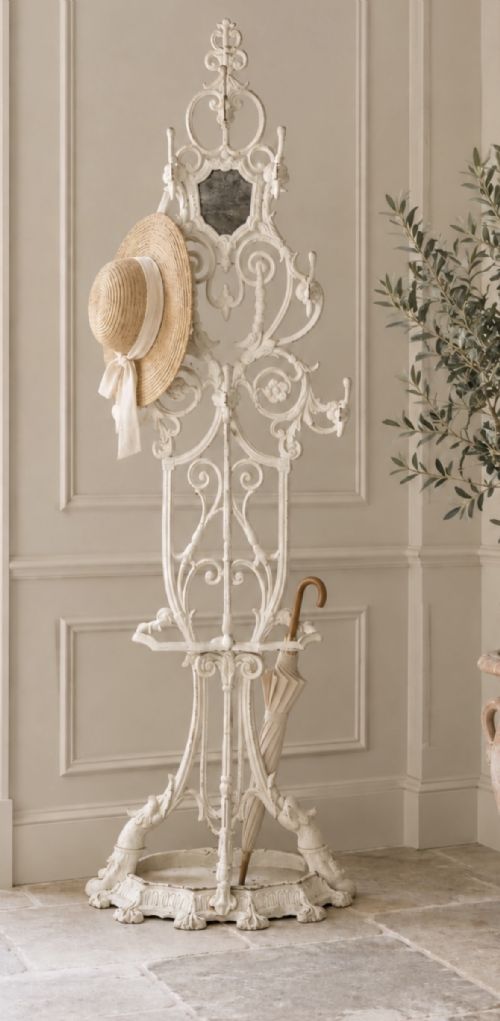
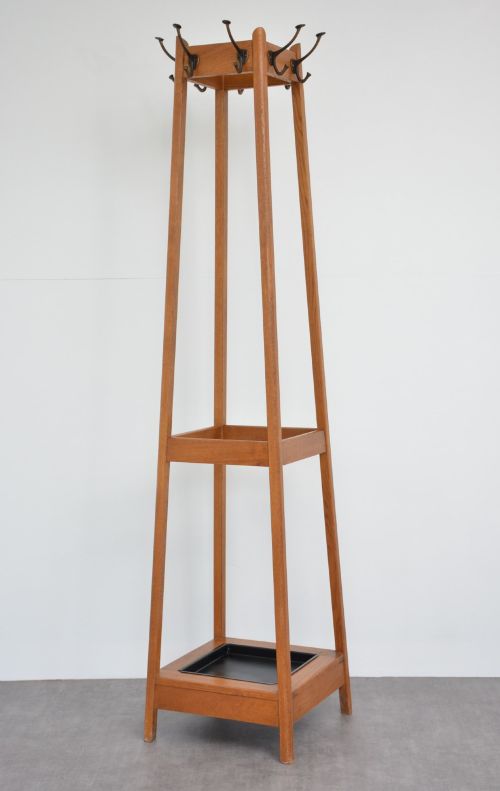


Hall Tree Drip Trays
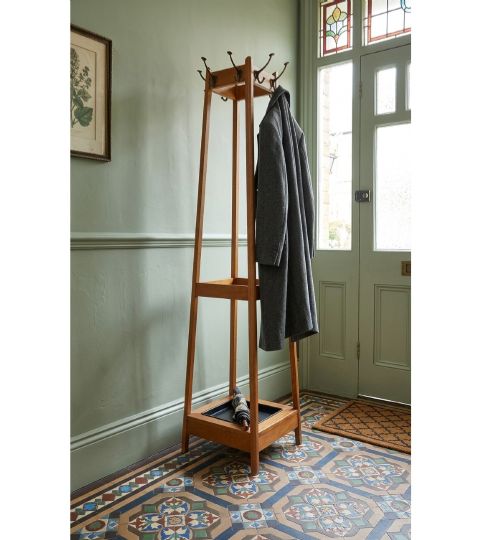
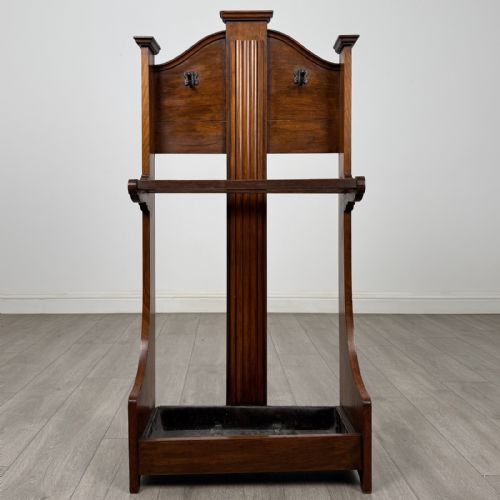
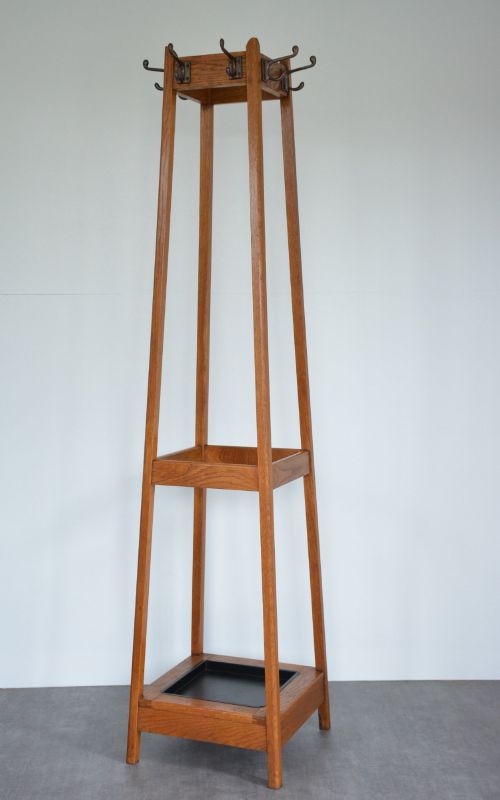
Hall tree drip trays catch the rainwater running off wet umbrellas, holding it safe inside the base of your hallway stand.
Hall Tree Drip Trays
When you search for hall tree drip trays, you are looking at the metal or glass receptacles designed to sit at the base of hall stands and coat stands. These practical items catch the water from walking sticks and umbrellas, protecting wooden floors and floorboards from damp. You will frequently find them integrated into larger hallway furniture pieces dating from the nineteenth and early twentieth centuries.
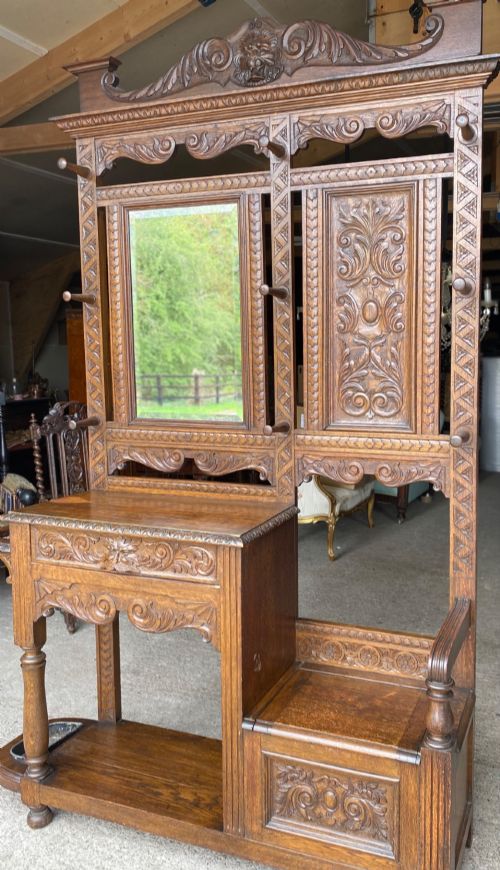
The selections on this page appear in forms such as oak hall stands, mahogany coat stands, and carved hall seats. Materials span oak, mahogany, cast iron, brass, and glass, reflecting the functional needs of Victorian and Edwardian hallways. Many incorporate built-in umbrella holders alongside the removable trays.
How they were made
Makers utilised solid timbers like oak and mahogany for the main frames of hall stands, often applying intricate hand carving in styles ranging from Arts and Crafts to Rococo Revival. Metal components, including the drip trays and umbrella rings, relied on cast iron or brass work to handle daily moisture without degrading quickly.
Glass occasionally appeared in auxiliary panels, while metal trays were stamped, cast, or beaten to fit snugly into the lower timber rails. These construction choices ensured the furniture could withstand the heavy, daily wear of coats, hats, and dripping wet umbrellas.
Hall Tree Drip Trays Retail Price Guide 2026
Typical asking prices for hall tree drip trays among the pieces listed under this phrase on Sellingantiques today, from the lower quarter to the upper quarter. They describe what is for sale here now, not the wider market.
Listings feature items spanning the Victorian period, nineteenth century, and twentieth century up to nineteen fifty, constructed in oak, mahogany, brass, and cast iron.
What varies in quality
The distinction between standard utility items and exceptional hallway furniture lies in the depth of the timber carving and the integrity of the integrated metalwork. Pieces bearing workshop signatures or heavy architectural proportions demonstrate superior craftsmanship compared to plain, mass-produced alternatives.
Retention of original components significantly affects the character of each piece. Hall stands retaining their original brass or cast iron drip trays and matching umbrella rings hold a more cohesive integrity than those fitted with later replacements.
Gillows
The Hall Tree Drip Trays Glossary
- Drip tray
- A shallow metal or glass vessel positioned at the base of a hall stand to catch water from umbrellas. It lifts out easily for emptying and cleaning.
- Hall stand
- A combined item of hallway furniture incorporating coat hooks, a hat shelf, a mirror, and umbrella storage with a drip tray. These pieces greeted visitors near the front entrance of period homes.
- Stick stand
- A designated rack or compartment for holding walking sticks and umbrellas, often sharing space with the hall stand base. It keeps wet items contained in one spot.
- Arts and Crafts
- A design movement prioritising traditional craftsmanship, visible construction, and simple forms. Pieces in this style use solid oak with minimal applied ornament.
- Victorian Aesthetic Movement
- A nineteenth-century style focusing on visual beauty and artistic design over strict historical revival. Furniture from this period often incorporates refined carving and balanced proportions.
Hall Tree Drip Trays: Frequently Asked Questions
What is a hall tree drip tray?
A hall tree drip tray is the removable metal or glass dish fitted into the bottom of a coat and umbrella stand. Its primary job is to catch rainwater dripping from wet umbrellas before it reaches the floor.
These trays sit securely within a wooden or cast iron frame at the base of the hall stand. They lift out so you can empty and dry them after wet weather.
How do I clean an antique metal drip tray?
Antique metal drip trays need gentle cleaning to preserve their surface finish and age character. Wipe away surface dust and dried mud with a damp cloth, avoiding harsh chemical cleaners that strip the metal.
Ensure the tray is completely dry before placing it back into the wooden stand to prevent moisture transfer. Regular light maintenance keeps brass and iron components stable.
Did all Victorian hall stands include drip trays?
Not every Victorian hall stand came with a metal tray, as some relied purely on open wooden slats or simple wells. However, stands designed for wet climates frequently incorporated brass or iron pans to protect the floorboards.
Examining the base rails usually reveals whether a stand was built to hold a removable tray or a fixed well. Replacements are common if the original metal pan rusted away over time.
How do I spot a reproduction hall stand?
Original hall stands display period construction methods, such as hand-cut joints, uniform timber ageing, and period-appropriate hardware like cast brass hooks. Reproductions often use modern fixings, machine-cut screws, or artificially distressed finishes that lack genuine wear.
Check the drip tray and umbrella rings for signs of authentic age and patination. Mismatched wear patterns between the timber frame and the metal components can indicate later alterations.