

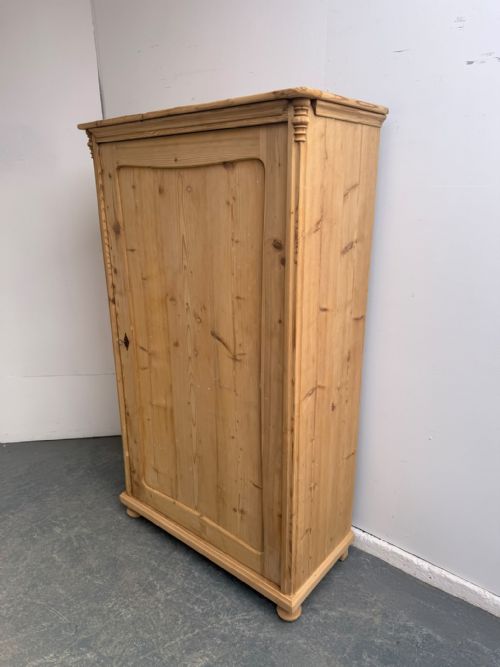


Hall Cupboard Unit
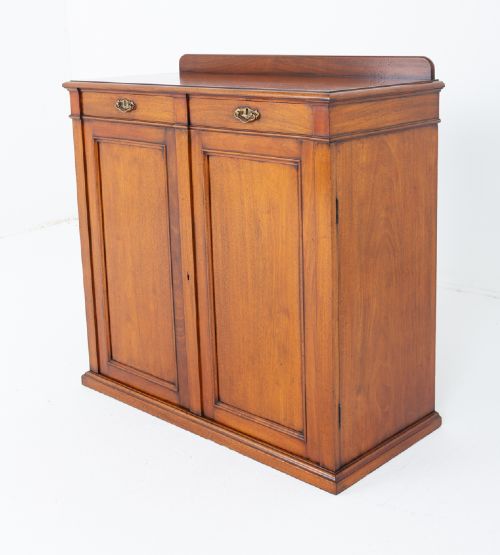
A hall cupboard unit is a sturdy piece of furniture designed for hallway storage, offering practical compartments for coats and household items.
Hall Cupboard Unit
A hall cupboard unit brings essential hallway storage into domestic spaces, appearing in forms such as narrow side cabinets, standing cupboards, and fitted units. Buyers searching this phrase encounter practical storage solutions designed to keep entryways tidy.
The selections span periods from the Victorian era through the Edwardian period and into the 1920s and 1930s, reflecting changing domestic habits over the decades. Common variations include single door and two door formats intended for daily utility.
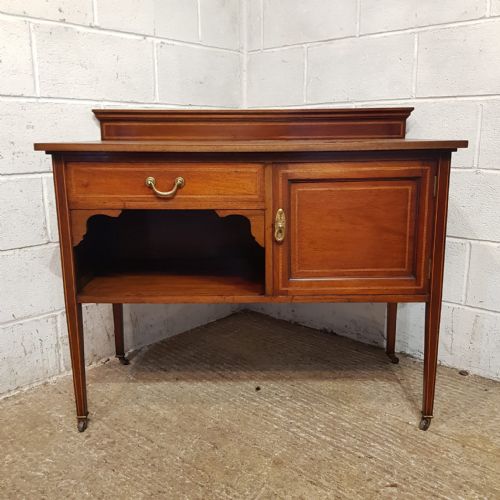
Originating predominantly from British traditions, these items utilise classic forms like the washstand, the hanging hall robe, and the housekeeper cupboard. Each piece serves a distinct organisational purpose within the domestic hall or landing.
How they were made
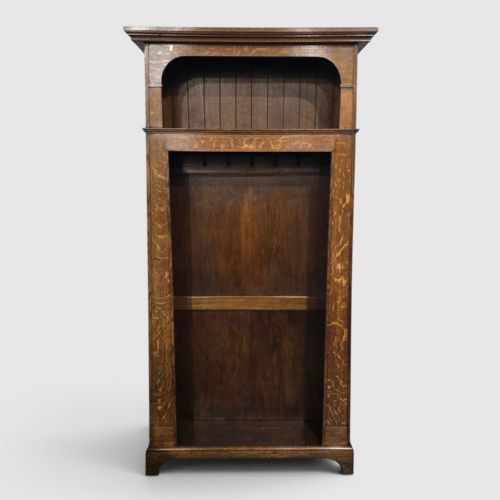
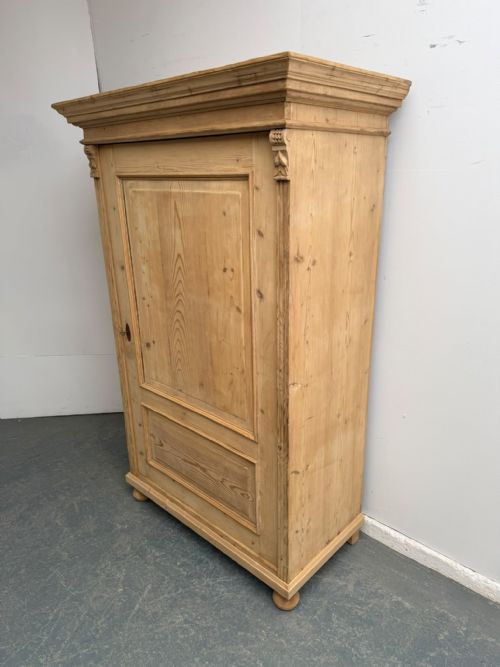
Construction relies heavily on traditional timber selection, with robust oak and versatile pine forming the primary structures. Workshops employed durable hardwoods like mahogany and flame mahogany veneer for more formal entries.
Hardware details such as brass fittings and iron H hinges provide both structural integrity and functional movement to doors and galleries. Surfaces are often finished with wax or polish to protect the timber grain over generations of use.
Hall Cupboard Unit Retail Price Guide 2026
Typical asking prices for hall cupboard unit among the pieces listed under this phrase on Sellingantiques today, from the lower quarter to the upper quarter. They describe what is for sale here now, not the wider market.
Some pine cupboards arrive ready for a fresh coat of paint, inviting future owners to reinvent their hallway storage entirely.
What varies in quality
Quality rests in the selection of timbers, where dense oak and figured mahogany distinguish finer pieces from utilitarian pine storage. Details like a raised gallery or fielded panels elevate the visual weight of the furniture.
The precision of joinery and the durability of original metal hinges dictate the enduring mechanical performance of doors and storage compartments. Finer examples balance robust architectural proportions with refined surface finishes.
The Hall Cupboard Unit Glossary
- Fielded panel
- A wooden panel with bevelled edges designed to fit securely within a groove in the surrounding frame. This technique accommodates seasonal wood movement.
- Raised gallery
- A low decorative railing or shelf positioned along the top edge of a cabinet or washstand. It prevents items from sliding off the surface.
- H hinge
- A surface-mounted strap hinge shaped like the letter H, commonly utilised on rustic and vintage cabinet doors. It offers reliable support for swinging panels.
- Flame mahogany veneer
- A thin slice of mahogany timber cut from the fork of the tree to create a distinctive flickering flame pattern. It decorates the exterior surfaces of formal cabinets.
Hall Cupboard Unit: Frequently Asked Questions
What is a hall cupboard unit?
A hall cupboard unit is a dedicated storage piece designed to organise entryways, cloakrooms, and hallways. These items provide enclosed space for daily apparel and domestic goods.
They appear in various timber finishes and proportions to suit narrow corridors or spacious Victorian landings.
How do I date these cupboards?
Dating relies on observing construction methods, timber choices, and stylistic markers associated with Victorian, Edwardian, or twentieth-century periods. Hardware styles such as brass fixtures also offer chronological clues.
Cabinet proportions shift from heavy Victorian designs to lighter oak formats from the nineteen-twenties.
Where were these pieces used?
These units traditionally stood in domestic hallways, boot rooms, and landings to manage household garments and linens. Housekeepers utilised them for storing essential supplies close to hand.
Today, they serve a similar organisational function in modern residential entryways.
Are pine cupboards waxed or painted?
Many pine cupboards feature traditional wax finishes that nourish and protect the natural softwood grain. Others are left bare or prepared for painting to match contemporary interiors.
Waxing enhances the honey tones of older pine while maintaining a traditional surface texture.