



Grisaille Painting
These grisaille painting examples present monochromatic schemes in shades of grey, offering subtle tonal depth through historical canvas, glass, and paper works.
Grisaille Painting
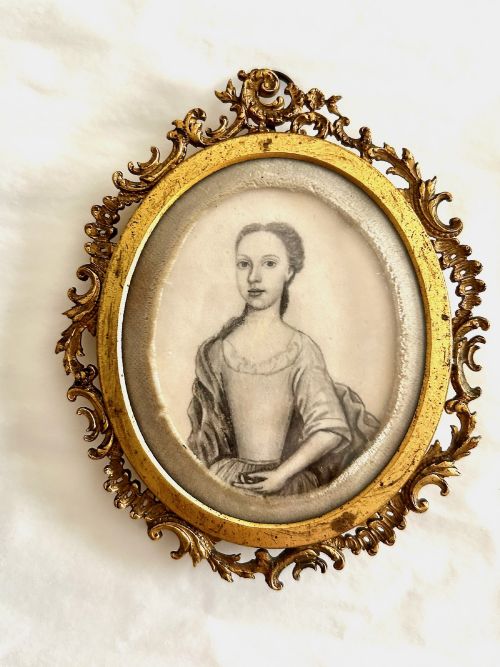
A grisaille painting relies on monochrome tones, predominantly grey, to render form and light without relying on full colour. The selections here span eighteenth-century portrait miniatures, nineteenth-century wall art, and framed canvases.
Buyers will encounter various formats including portrait miniatures on vellum, framed oils, and decorative screens. The examples draw from distinct stylistic roots such as Georgian, Victorian, and Neoclassical traditions.
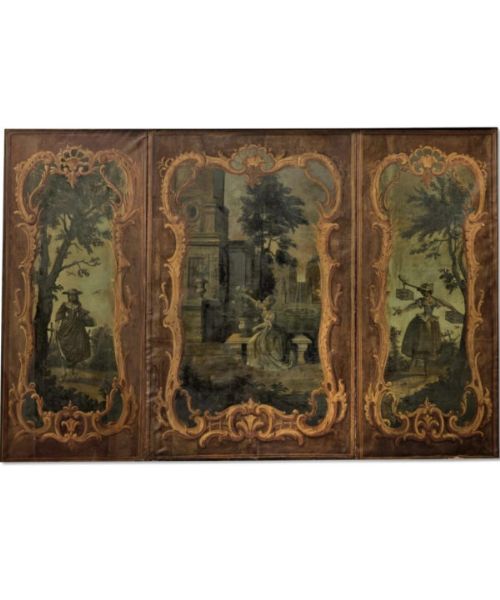
The technique often mimics sculpture or relief work, creating a three-dimensional illusion on a flat surface. Pieces range from intimate portraits to large triptych wall hangings.
Materials and construction
Artists utilised oil paint, gouache, ink, and watercolour applied to canvases, glass, paper, and vellum. Frames frequently incorporate giltwood to complement the monochromatic palette.
Execution demands precise tonal control, as the absence of full colour places the entire burden of depth and texture on shadow and highlight. Support materials like wood and canvas provide sturdy foundations for these detailed pigment layers.
Grisaille Painting Retail Price Guide 2026
Typical asking prices for grisaille painting among the pieces listed under this phrase on Sellingantiques today, from the lower quarter to the upper quarter. They describe what is for sale here now, not the wider market.
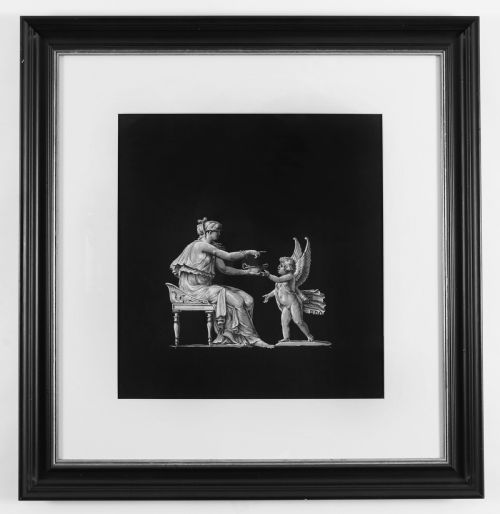
Cherubs playfully populate several nineteenth-century panels, bringing a touch of mischievous theatricality to serious monochrome studies.
Judgments of quality
Mastery of tone distinguishes exceptional work from simpler renderings, since the restricted palette leaves no room for error in shadow placement. The fineness of the brushwork, particularly in miniature portraits, determines the level of detail achieved.
The integrity of the original support, whether canvas, paper, or vellum, influences the overall preservation of the piece. Superior examples maintain crisp contrast between highlights and dark washes without muddying the intermediate shades.
James Ferguson·Alexandre Louis Martin·William J Hodgson·Eva Hollyer
The Grisaille Painting Glossary
- Grisaille
- A painting executed entirely in shades of grey or neutral greyish-brown, often designed to imitate sculpture. This technique emphasises form and light over chromatic variation.
- Camaieu bleu
- A monochromatic painting executed in blue tones rather than grey. It shares the same tonal principles as grisaille.
- Trompe l'oeil
- An art technique that uses realistic imagery to create the optical illusion that the depicted objects exist in three dimensions. It frequently appears in decorative panels and wall art.
- Vellum
- A fine parchment made from calfskin, used as a smooth writing and painting surface. Portrait miniatures often utilise this delicate material.
- Polychrome
- The practice of decorating surfaces in a variety of contrasting colours. It appears alongside monochrome work in composite triptych pieces.
Grisaille Painting: Frequently Asked Questions
What is a grisaille painting?
A grisaille painting is a work executed entirely in monochrome, usually in shades of grey. Artists use this method to emphasise form, volume, and light.
The style has roots in historical decorative schemes and often imitates the appearance of carved stone or relief sculpture.
How were these paintings used historically?
These works served as preparatory sketches, independent wall art, folding screens, or architectural trompe l'oeil decorations. Wealthy patrons commissioned them for refined interior schemes.
Miniatures were often kept as personal keepsakes or worn, while larger canvases adorned formal rooms.
How do I care for antique paintings on paper?
Antique works on paper or vellum require protection from direct sunlight to prevent fading of the delicate ink and wash. Keeping them in stable humidity conditions preserves the support material.
Proper framing with conservation-grade materials ensures the paper does not warp or deteriorate over time.
How do I identify the period of a piece?
Dating relies on examining the support materials, framing style, and the characteristic dress or subject matter of the figures depicted. Signature styles from periods like the Georgian or Victorian eras provide key clues.
Documented signatures and historical records associated with specific artists also help confirm the exact era of production.