


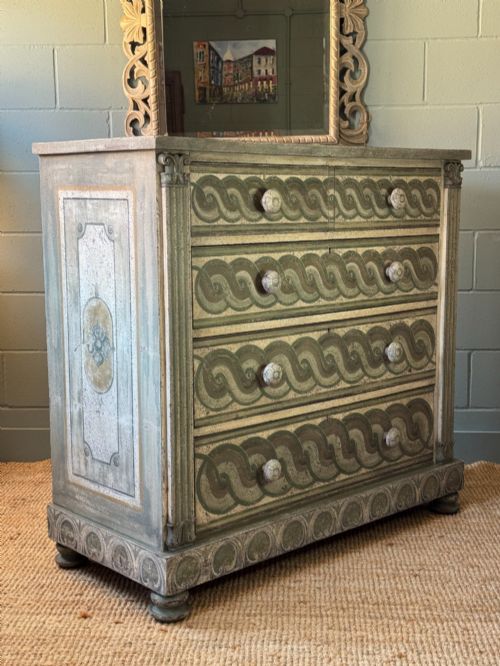


Grey Wood Drawers
These grey wood drawers bring muted elegance to a room, offering practical storage through painted timber surfaces and classic proportions.
Grey Wood Drawers
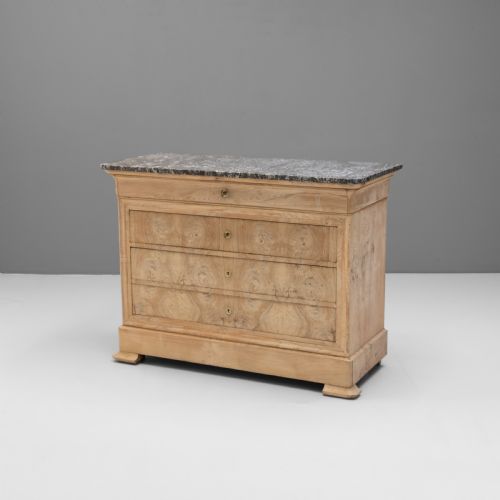
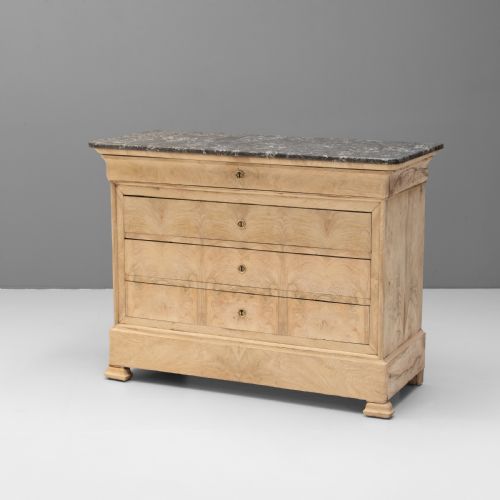
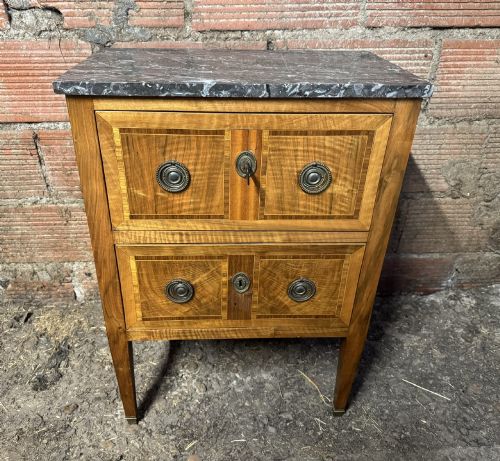
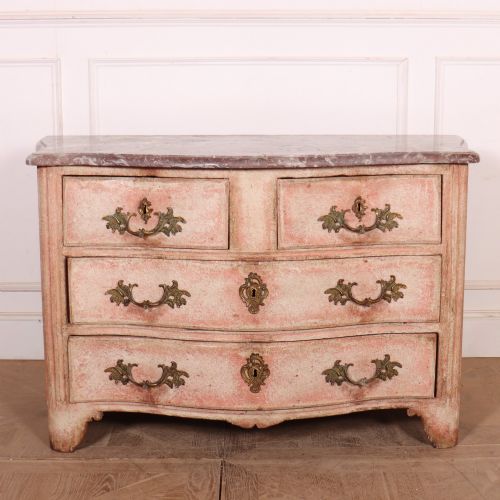
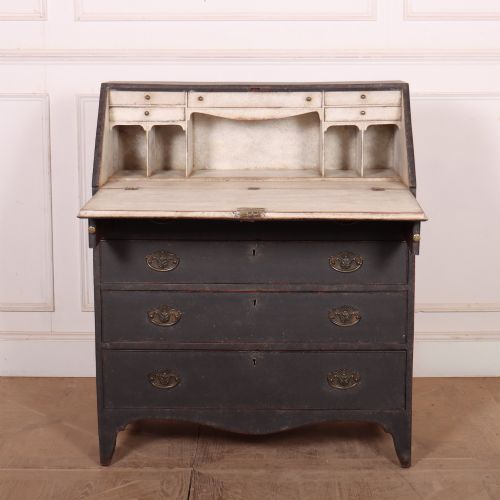
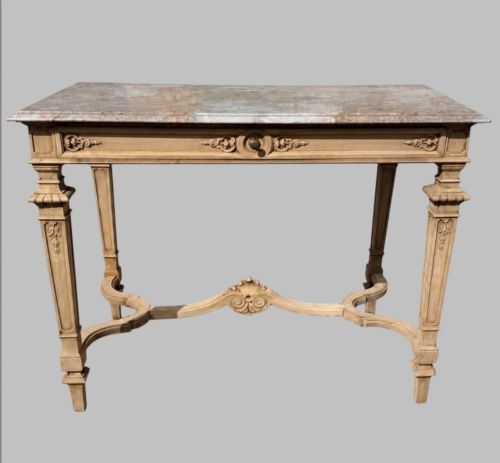
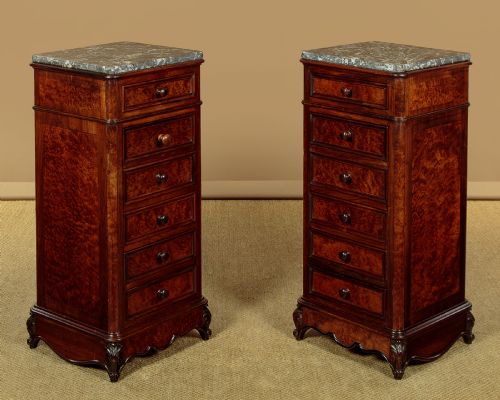
When you search for grey wood drawers, you encounter a refined selection of antique storage pieces defined by painted timber finishes and classical proportions. The listings on this page span the eighteenth and nineteenth centuries, taking the form of commodes, bedside pedestals, servers, and chests of drawers. Swedish Gustavian and French provincial aesthetics dominate the selection, bringing muted painted surfaces and sophisticated silhouettes into domestic spaces.
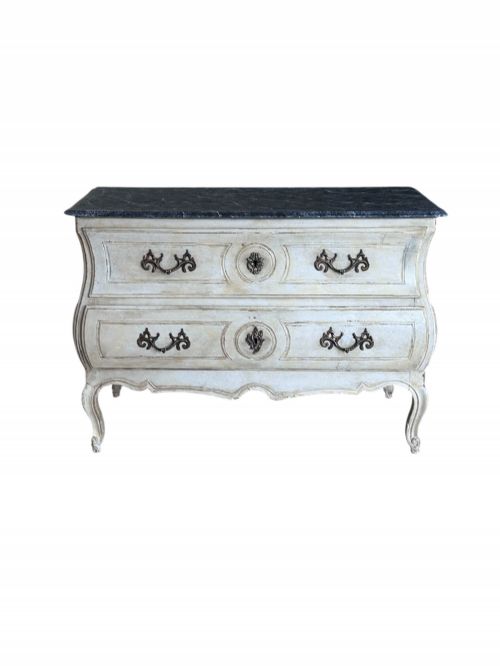
You are most likely to meet painted pine and hardwood chests originating from continental Europe, particularly Sweden and France. These pieces often feature serpentine or bow fronts, alongside functional arrangements of two or more drawers. Marble tops, ranging from grey marble to faux marble variants, frequently cap these painted wooden carcases to add durability and contrast.
Materials and construction
Cabinetmakers constructed these pieces primarily from solid timber and pine, preparing the wood to receive layers of muted paint. Artisans applied pigments by hand, sometimes incorporating gilt highlights or decorative motifs onto the flat and curved drawer fronts. The application of paint served both to protect the underlying timber and to achieve the pale, subdued palettes characteristic of Gustavian and French provincial design.
Surface treatments frequently include fitted marble slabs or polished timber tops that sit securely above the drawer tiers. Workshops utilised traditional joinery for the drawer carcases, ensuring smooth operation within serpentine and bow-fronted frames. Brass hardware, including drop handles and keyplates, completed the construction, providing functional contrast to the painted wood.
Grey Wood Drawers Retail Price Guide 2026
Typical asking prices for grey wood drawers among the pieces listed under this phrase on Sellingantiques today, from the lower quarter to the upper quarter. They describe what is for sale here now, not the wider market.
Some nineteenth-century workshops thoughtfully provided faux marble tops to give the grandeur of stone without the heavy lifting.
Factors determining quality
The distinction between standard examples and superior pieces rests on the handling of the painted finish and the integrity of the timber carcase. High quality items exhibit deliberate craftsmanship in their curved serpentine or bombe fronts, where timber is shaped with precision before painting. The subtlety of the painted decoration, particularly on Gustavian and French commodes, separates everyday storage from exceptional examples of period design.
Proportion and original hardware significantly influence the standing of each piece within its period. Refined mouldings, well-fitted marble or faux marble tops, and drawers that slide smoothly within their housing indicate superior workshop standards. The survival of an original painted surface, rather than later redecoration, preserves the integrity and character of the furniture.
The Grey Wood Drawers Glossary
- Commode
- A low chest of drawers or cabinet, originating in France during the seventeenth century. These pieces often feature decorative painted finishes and marble tops.
- Gustavian
- The Swedish interpretation of neoclassical style, characterised by restrained ornamentation and pale painted finishes. This aesthetic draws inspiration from French Louis XVI design.
- Serpentine
- A front profile on a chest of drawers that curves outward at the centre and inward at the sides. This contour requires skilled woodworking and joinery.
- Bombe
- A swelling, outward-curving chest shape popular in eighteenth-century Dutch furniture. The profile bulges on the front and sides.
- Semainier
- A tall, narrow chest of drawers traditionally designed with seven drawers, one for each day of the week. These pieces maximise vertical storage space.
Grey Wood Drawers: Frequently Asked Questions
Where should I place a painted commode?
A painted commode suits bedrooms, hallways, or living spaces where its surface and drawer storage serve a practical purpose. The muted tones integrate easily into various room layouts.
Keep the piece away from direct heat sources and excessive moisture to protect the timber carcase and painted finish over time.
How do I clean a painted wooden chest?
Dust the surface regularly with a soft, dry cloth to prevent dirt accumulation on the painted finish. Avoid harsh chemical cleaners that might strip the historic paint.
For marble or stone tops, use a damp cloth with mild soap, drying the surface immediately to prevent water marks.
Are these drawers suitable for daily use?
These antique drawers function well for storing clothing, linens, or household items when handled with reasonable care. The interior timber compartments slide within their original tracks.
Avoid overloading the drawers to maintain the stability of the antique joinery and the exterior painted frame.