

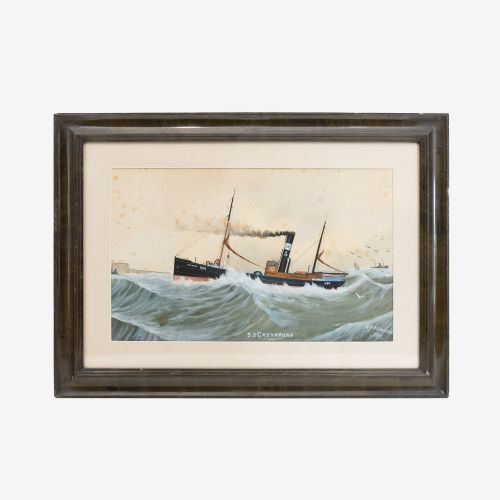


Grey Watercolour Portrait
A grey watercolour portrait captures subtle tonal depths on paper, offering a restrained yet striking likeness from past centuries.
Grey Watercolour Portrait
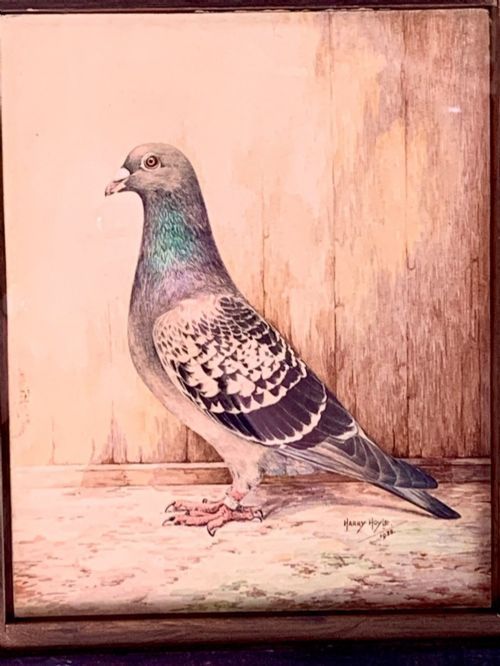
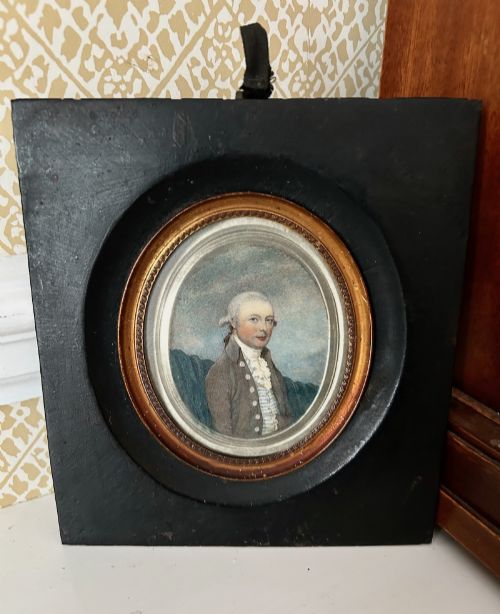
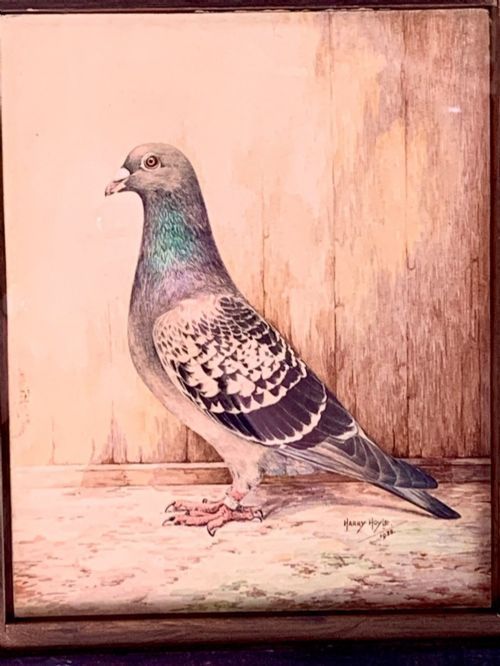
The pieces available span multiple eras, including the Regency and Victorian periods, alongside early twentieth-century examples. These artworks frequently depict sitters, naval vessels, and animals rendered with careful draughtsmanship on paper.
Subjects vary from formal clergy and historical figures to working animals and naval ships, demonstrating how diverse the application of monochrome watercolour was across different decades.
Materials and construction
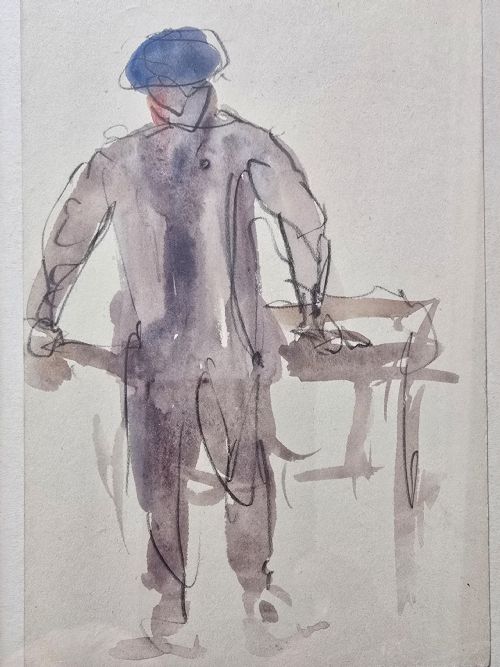
Artists executed these works primarily on paper using watercolour washes, often augmented with gouache, ink, and pencil to add definition and contrast to the grey tones. Some pieces incorporate gold leaf or are set within traditional wooden frames behind protective glass.
The combination of pencil underdrawings with fluid grey watercolour allowed creators to achieve precise facial expressions and intricate details, particularly in portrait miniatures and larger framed paintings.
Grey Watercolour Portrait Retail Price Guide 2026
Typical asking prices for grey watercolour portrait among the pieces listed under this phrase on Sellingantiques today, from the lower quarter to the upper quarter. They describe what is for sale here now, not the wider market.
Listings feature works spanning from the early eighteenth century through to the mid-twentieth century, utilising watercolour, gouache, ink, and pencil on paper.
Evaluating quality and execution
Superior examples demonstrate exceptional control over wash application and fine pencil work, capturing the subject's likeness with remarkable economy of line. The finesse of the brushwork and the preservation of the paper support distinguish finer portrait miniatures and paintings from more rudimentary efforts.
The integrity of the framing, the stability of the paper, and the minimal presence of foxing or fading significantly influence the overall condition and visual impact of these historic works.
Alexander Harwood·Vincenzo D’Esposito·Arthur Wardle·Nicolas Freese·Basil Nightingale·YA MING·Johan Noah Bemmel·Montagu Barstow·John Barry·Leo Klin
The Grey Watercolour Portrait Glossary
- Gouache
- An opaque water-based paint that provides solid areas of colour and highlights when used alongside transparent watercolour.
- Portrait Miniature
- A small, highly detailed painting, often created on vellum, card, or paper during the Georgian and Victorian eras.
- Foxing
- Brown spots or discolouration on old paper caused by chemical reactions over long periods.
- Monochrome
- A painting or drawing executed in a single colour or varying shades of a single tone, such as grey.
Grey Watercolour Portrait: Frequently Asked Questions
What is a grey watercolour portrait?
A grey watercolour portrait is an artwork created primarily in monochrome washes, pencil, and ink on paper, focusing on tonal gradation rather than full colour.
These pieces range from small portrait miniatures to framed studies of people, animals, and ships produced across the eighteenth, nineteenth, and twentieth centuries.
How do I care for antique paper art?
Antique watercolours on paper require protection from direct sunlight and high humidity to prevent fading and paper degradation.
Keeping them framed behind glass with acid-free backing boards helps preserve the delicate pigments and paper over time.
How can I tell the period of a portrait?
Stylistic clues such as the sitter's clothing, hairstyle, and the framing materials often indicate the era in which the portrait was created.
Signatures, artist records, and the type of paper or card used also provide reliable markers for dating the artwork.
Were these portraits used as personal tokens?
Many smaller portraits and miniatures served as intimate personal gifts, keepsakes, or memorials exchanged between family members and associates.
Their portable nature allowed owners to carry likenesses of loved ones or notable figures during travel.