







Grey Painted Pine Furniture
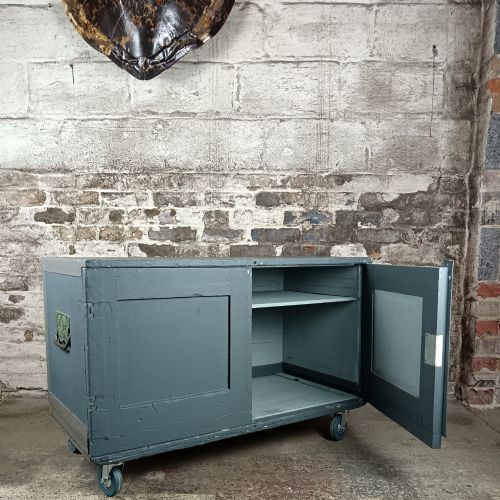
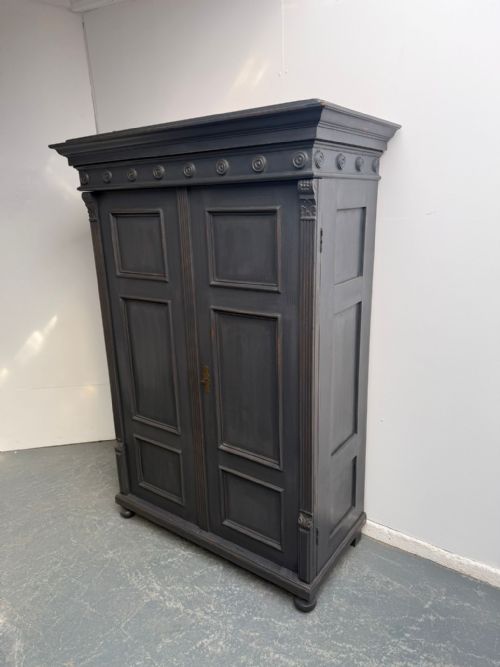
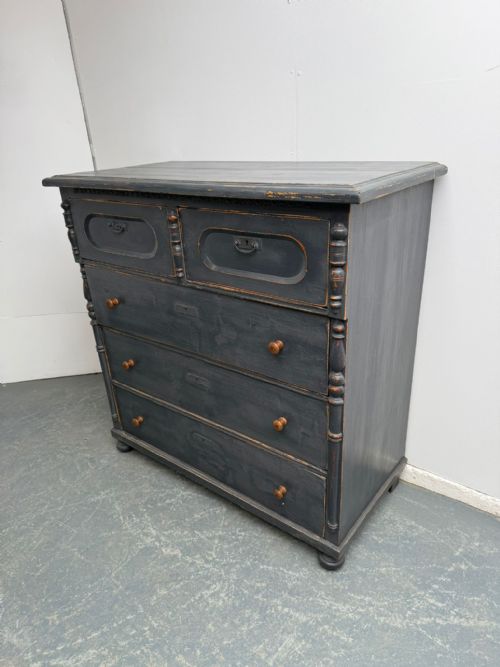
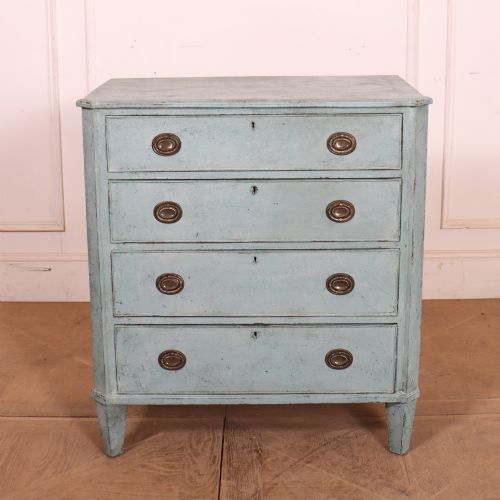
Grey painted pine furniture brings practical storage and rustic charm to a room, spanning 18th-century Gustavian commodes to Victorian chests of drawers.
Grey Painted Pine Furniture
Grey painted pine furniture encompasses functional wooden pieces finished in various shades of grey paint, ranging from 18th-century cupboards to Victorian chests of drawers. Buyers seeking grey painted pine furniture encounter practical domestic items designed for everyday storage and utility across multiple centuries.
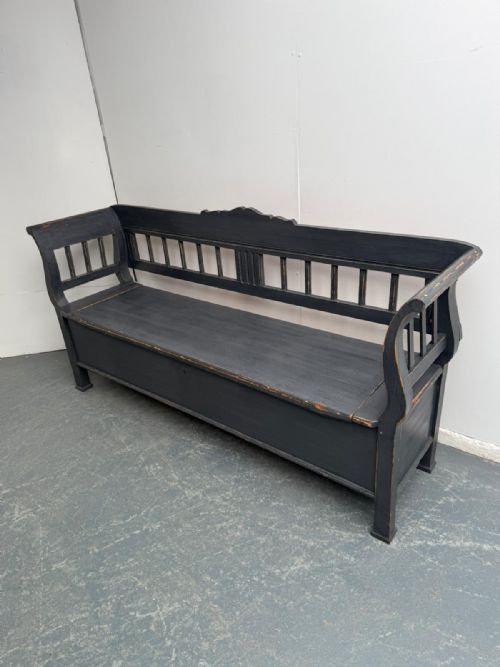
The selections span diverse regional traditions, including Swedish commodes, English dressers, and Hungarian benches. These items rely on softwood construction enhanced by layered paint surfaces that reflect specific historical periods like the Victorian era and 1750 neoclassical movements.
How they were made
Joiners constructed these pieces primarily from pine timber, utilising basic carpentry joints suited for domestic utility. Iron and brass components such as hinges, pulls, and keyplates provided structural reinforcement and functional operation.
Surfaces received applications of paint, including scraped finishes and decorative treatments like faux bamboo effects. Artisans applied these coatings to timber substrates to alter the visual appearance of the softwood according to prevailing styles.
Grey Painted Pine Furniture Retail Price Guide 2026
Typical asking prices for grey painted pine furniture among the pieces listed under this phrase on Sellingantiques today, from the lower quarter to the upper quarter. They describe what is for sale here now, not the wider market.
Listings feature pine and painted timber pieces spanning the 18th century, Victorian period, and 1920.
What varies in quality
The integrity of the painted surface determines visual success, with original scraped paint or period decoration holding greater interest than later coatings. The condition of the underlying pine timber and the retention of original brass or iron hardware also influence the character of each piece.
Proportional harmony and regional stylistic execution distinguish standard utilitarian items from sophisticated examples like Gustavian commodes or Baroque revival chests. Construction sturdiness within drawers, doors, and joints further separates robust pieces from heavily worn alternatives.
The Grey Painted Pine Furniture Glossary
- Gustavian
- A Swedish neoclassical style originating in the late 18th century, known for restrained ornamentation and light painted finishes. Pieces from this movement often incorporate classical columns and fluting.
- Potboard Dresser
- A traditional kitchen storage unit featuring open lower shelving intended for displaying pots and heavy tableware. The lower shelf sits just above the floor.
- Box Settle
- A wooden bench incorporating a high back and a concealed storage compartment beneath the hinged seat. These items provided draught protection in traditional interiors.
- Faux Bamboo
- A decorative technique where wood is carved and painted to imitate natural bamboo stalks. This finish appeared on 19th-century bedroom pieces.
Grey Painted Pine Furniture: Frequently Asked Questions
How do I date grey painted pine furniture?
Dating relies on construction methods, timber characteristics, and stylistic traits associated with periods from the 18th century through the Victorian era. Examining the underlying wood and hardware helps establish the age of the piece.
Paint layers also provide chronological clues, as original surfaces differ significantly from later applications. Comparing the form to documented regional styles clarifies the manufacturing period.
Where were these painted pieces made?
The items originate from various European regions, with strong representation from Swedish workshops, English domestic makers, and Hungarian rural joinery. Each area developed distinct regional variations in form and painted decoration.
Swedish examples frequently display Gustavian or Baroque revival influences, whereas English pieces lean towards practical dressers and sideboards. Hungarian items typically include robust storage cupboards and settles.
How should I care for painted pine surfaces?
Maintenance requires gentle cleaning with a soft, dry cloth to remove dust without harming historical paint layers. Avoiding moisture and harsh chemical cleaners preserves the integrity of the finish.
Placing items away from direct heat sources prevents the pine timber from warping or splitting. Stable indoor humidity levels protect both the wood substrate and the applied paint.
What is a commode?
A commode is a low cabinet or chest of drawers designed for domestic storage, often featuring decorative painted surfaces. In continental traditions, these pieces served functional storage roles in bedrooms and living spaces.
Continental examples often display shaped fronts and specific regional hardware. They differ from tall chests by prioritising a lower, more accessible profile.