



Grey Daybed
A grey daybed brings French style, painted wood and historic comfort into a room with understated elegance.
Grey Daybed
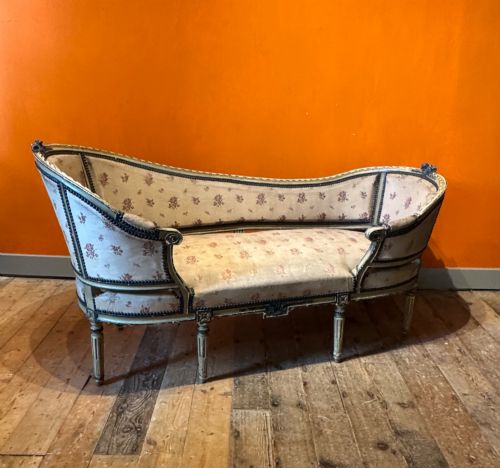
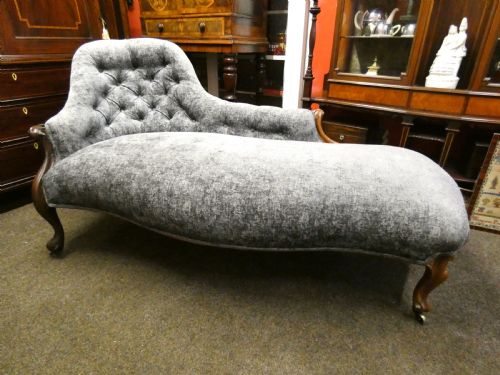
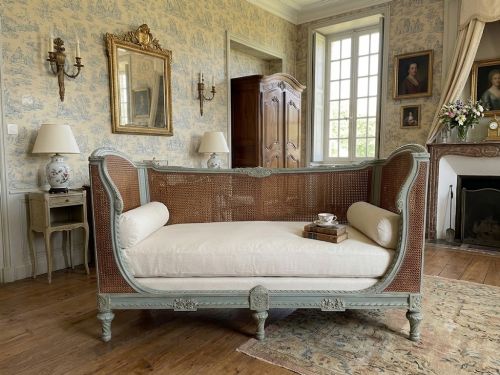
A grey daybed combines the utility of a seat with the length of a lounge, drawing on nineteenth-century forms and earlier revivals. Pieces range from French Louis XVI style painted cane day beds and duchesse brisee chaises to Regency mahogany chaises longues and Swedish painted settles.
Buyers will encounter various incarnations across this selection, including Victorian iron bedsteads, caned settees, and country house hall sofas. These pieces cross diverse categories such as chaise longues, daybeds, bedsteads, and settees.
Origins span standard nineteenth-century works alongside specific pieces dated to 1880, 1890, 1910, and the Regency era. The prevalent aesthetic favours neutral painted finishes, cane work, and classic wooden frames.
How they were made
Upholstered versions incorporate textiles such as fabric and linen across daybeds, sofas, and bergere seating. Metal work also appears, notably in Victorian large single size iron bedsteads supplemented by brass details.
Grey Daybed Retail Price Guide 2026
Typical asking prices for grey daybed among the pieces listed under this phrase on Sellingantiques today, from the lower quarter to the upper quarter. They describe what is for sale here now, not the wider market.
What varies in quality
Quality rests upon the integrity of the wooden framework and the preservation of original painted surfaces or natural patination. Pieces retaining their initial fabric, cane panels, or specific maker attribution distinguish themselves within the wider selection.
The refinement of carved details, particularly on French Louis XVI style and Regency examples, separates standard domestic furniture from finer country house commissions.
The Grey Daybed Glossary
- Duchesse brisee
- A two or three-part chaise longue comprising a chair and one or two footstools, designed for reclining. This form is often associated with French Louis XVI style seating.
- Canapé
- A decorative sofa or settee featuring an upholstered back and seat within a wooden frame. Examples frequently incorporate painted finishes and cane panels.
- Chaise longue
- An upholstered long chair intended for reclining, popular throughout the nineteenth century and Regency period. These items function as both seating and day beds.
- Bergere
- An enclosed upholstered armchair with wooden framing, where the sides are typically filled with cane or upholstery. These pieces offer deep, comfortable seating.
- Settle
- A wooden bench with high backs and arms, often incorporating panel work or painted decoration. They provide sturdy seating originating in country houses.
Grey Daybed: Frequently Asked Questions
What is a grey daybed used for?
A grey daybed serves as dual-purpose furniture for sitting during the day and reclining or resting when needed. These pieces function well in studies, bedrooms, and reception rooms.
Historically, they provided a comfortable place to lounge without retiring fully to a bedchamber. Today, they bring historic seating forms into modern living spaces.
How do I identify a Victorian daybed?
Victorian daybeds and iron bedsteads display the robust construction methods and material choices typical of the nineteenth century. Look for specific structural forms and iron or wooden frames.
Comparing the proportions and joinery against dated examples from the same era helps confirm the period of manufacture.
Are these daybeds French or English?
The selection includes both French and English origins, alongside Swedish and Anglo-Indian examples. French pieces often feature Louis XVI style painted woodwork and cane.
English and Regency examples tend to utilise mahogany and traditional cabinet-making techniques suited to country houses.
How should I care for painted wood?
Preserving painted wood requires keeping pieces away from direct sunlight and fluctuating humidity. Gentle dusting with a dry cloth prevents surface build-up without harming historic finishes.
Avoid chemical polishes on original painted or waxed surfaces to maintain the integrity of the patina.