


Green Velvet Mahogany Chairs
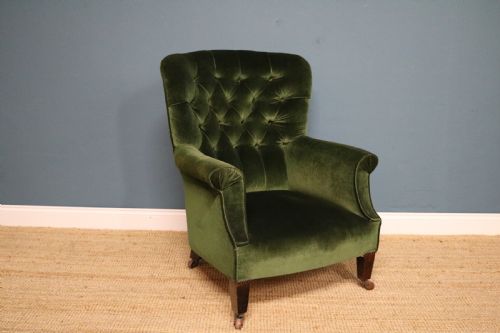
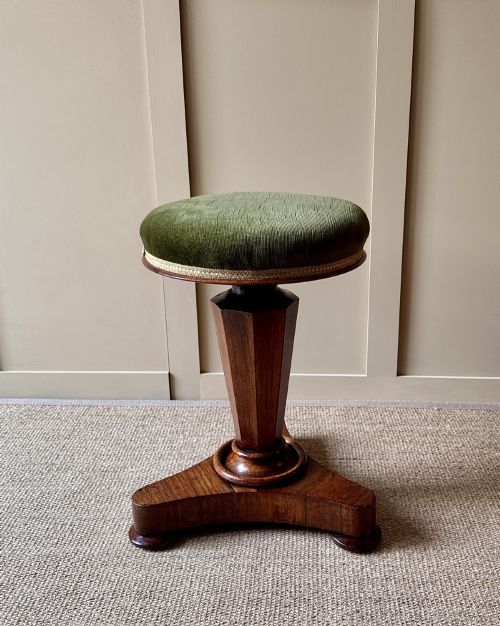
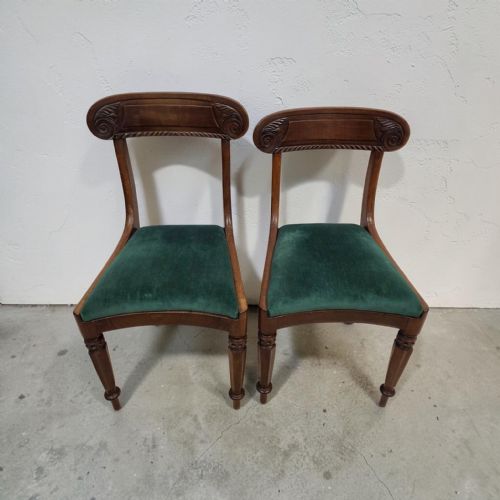
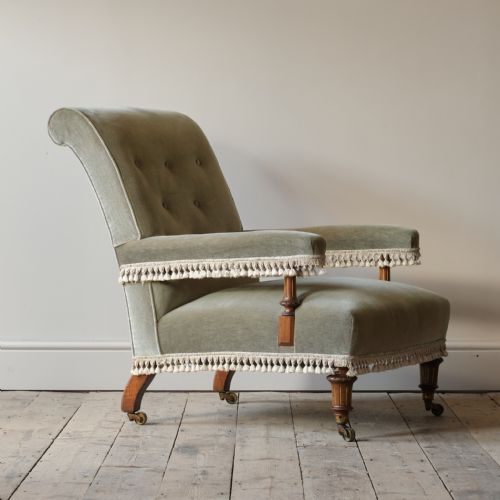
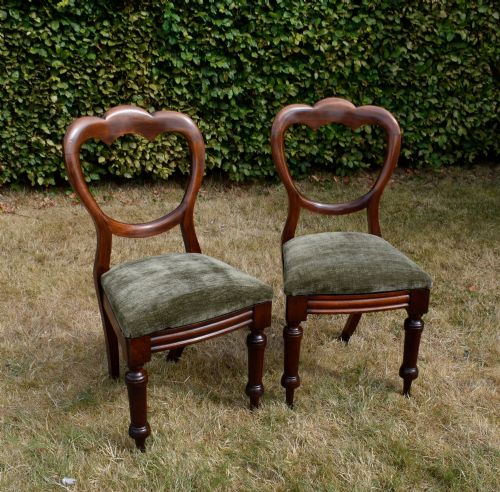
Green velvet mahogany chairs bring rich textile warmth and dark timber structure together, forming seating that anchors a traditional room.
Green Velvet Mahogany Chairs
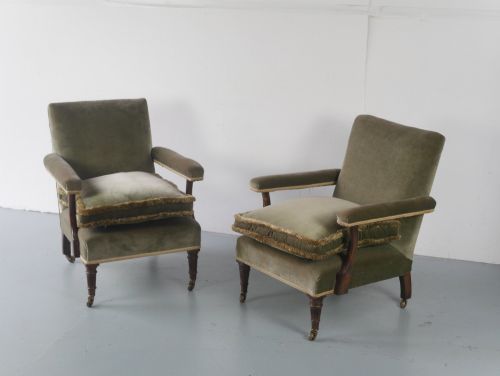
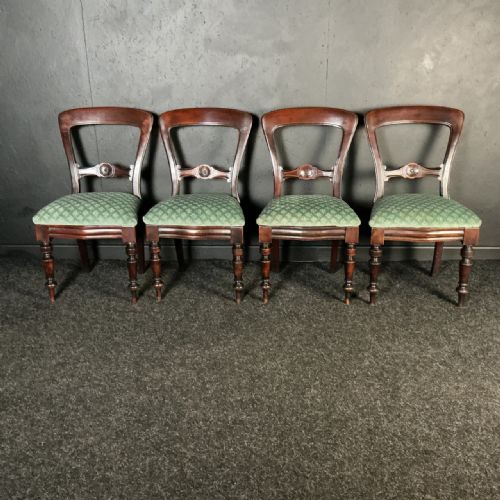
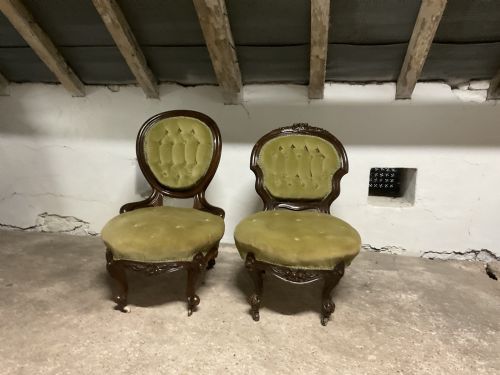
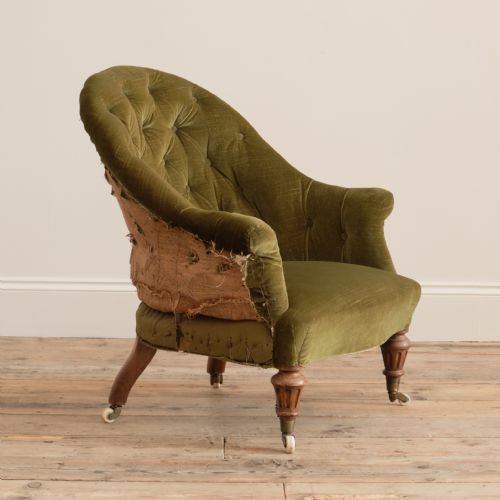
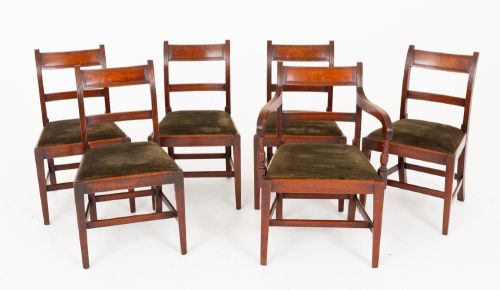
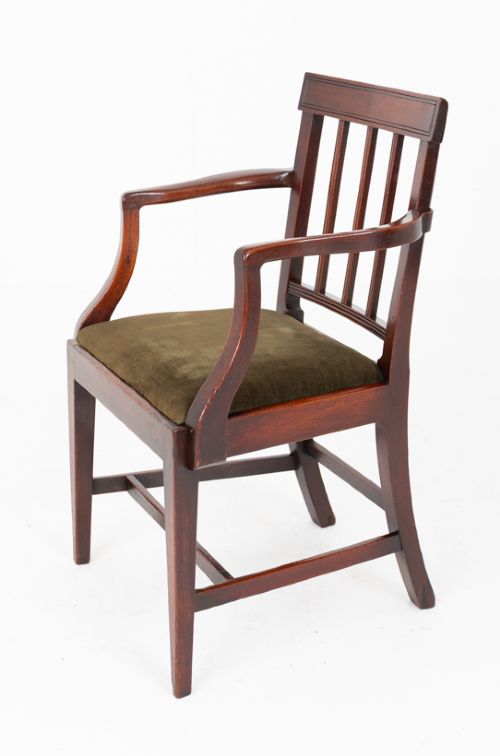
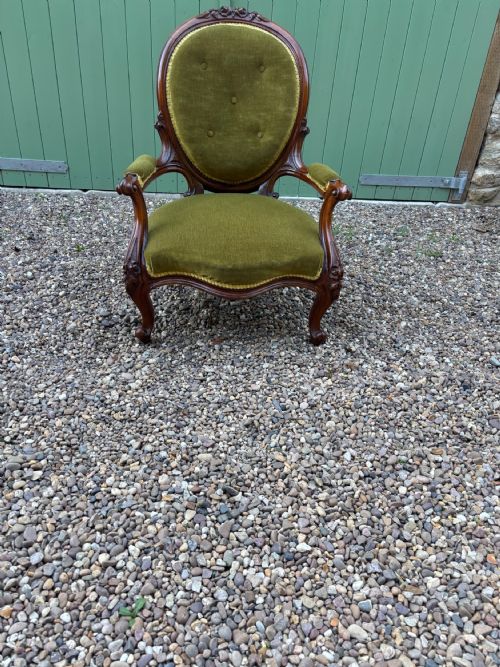
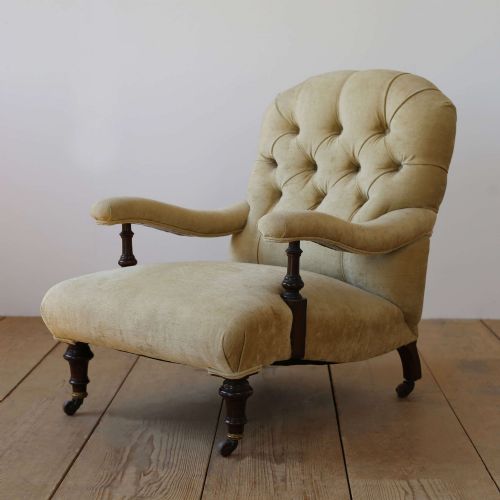
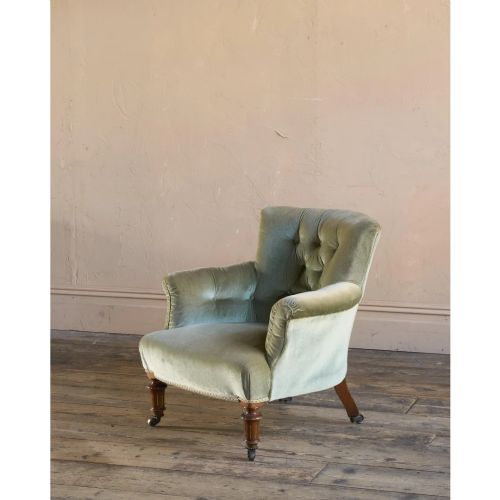
When you search for green velvet mahogany chairs, you encounter seating built across several historical periods, ranging from Georgian and Regency to Victorian and Edwardian. The forms vary from large library armchairs and open armchairs to sets of dining chairs and smaller bedroom or nursing chairs.
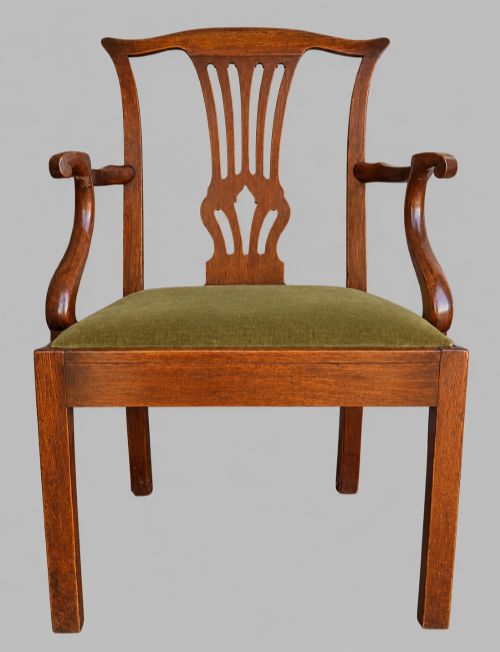
Dining chairs appear frequently as sets, while single armchairs emerge in styles such as Chippendale Revival, Hepplewhite, and Sheraton Revival. Makers including Gillows and Hampton & Sons also appear among the pieces.
The combination of mahogany timber and velvet upholstery defines these listings, uniting sturdy wooden frames with soft textile seats and backs across both formal and domestic seating types.
Materials and Construction
Cabinet makers built the structural frames using solid mahogany timber, often shaping the wood into turned legs, reeded legs, scroll arms, or carved ladderback and balloon back forms. Brass details and cane inserts occasionally supplement the main wooden construction.
Upholsterers fitted the seats and backs with fabric and velvet textiles, securing the soft materials over padded interiors on armchairs, dining chairs, and fireside seating.
Green Velvet Mahogany Chairs Retail Price Guide 2026
Typical asking prices for green velvet mahogany chairs among the pieces listed under this phrase on Sellingantiques today, from the lower quarter to the upper quarter. They describe what is for sale here now, not the wider market.
Listings span the Georgian, Regency, Victorian, and Edwardian periods, utilising mahogany, velvet, brass, and cane.
Quality and Distinction
The refinement of the timber carving and the precision of the frame joinery separate standard examples from finer pieces, particularly in pieces bearing workshop attributions.
The integrity of the mahogany and the execution of period details, such as carved shield backs, rope backs, or scroll arm carvers, determine the standing of individual chairs.
Gillows·Hampton and Sons·C Hindley and Sons
The Green Velvet Mahogany Chairs Glossary
- Mahogany
- A dense tropical timber valued for its deep reddish-brown colour and strength in furniture framing. It takes a fine polish and underpins the structural integrity of these chairs.
- Velvet
- A woven tufted fabric with a dense pile that provides a soft texture. It serves as the primary upholstery material on the seats and backs.
- Bergère
- An enclosed upholstered armchair with wooden framing and cane or upholstered sides. This form appears frequently in nineteenth-century seating.
- Balloon Back
- A rounded chair back shaped like a balloon, commonly seen on Victorian dining chairs. It offers ergonomic support while displaying curved mahogany grain.
- Reeded Legs
- Cylindrical table or chair legs carved with parallel convex mouldings running vertically. They appear widely on Regency dining and library chairs.
Green Velvet Mahogany Chairs: Frequently Asked Questions
How do I identify a Regency mahogany chair?
Regency chairs typically exhibit classical lines, reeded legs, and specific backrest forms such as rope backs or bar backs. They date from the early nineteenth century and reflect classical revival influences.
Makers from this period utilised dark mahogany timber, sometimes incorporating brass inlay or carved scroll arms on library and dining models.
Are these chairs suitable for daily use?
Most of these antique chairs are structurally robust, having been constructed from solid mahogany timber. Dining sets and armchairs function well in contemporary settings when properly maintained.
Upholstered velvet pads and sprung seats provide traditional comfort, though buyers should verify the internal padding of older armchairs.
How do Georgian chairs differ from Victorian ones?
Georgian chairs, including Chippendale and Hepplewhite styles, date from the eighteenth and early nineteenth centuries and often feature intricate back splats and straight or carved legs. Victorian pieces tend to be heavier, with balloon backs or spoon backs and more exuberant carving.
Both eras rely heavily on mahogany timber, but the proportions and decorative motifs shift noticeably between the two periods.