



Green Velvet Lounge
A green velvet lounge brings warmth and traditional comfort to a room, offering deep seating wrapped in tactile fabric.
Green Velvet Lounge
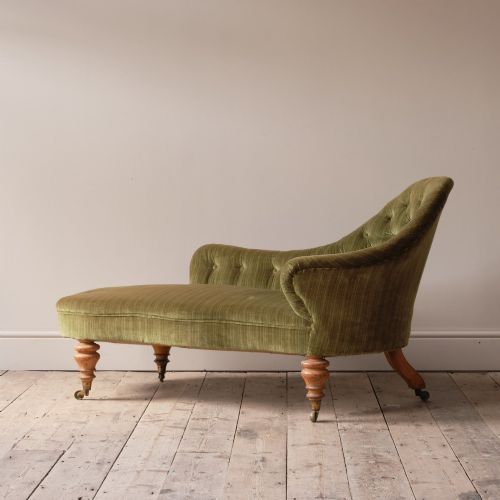
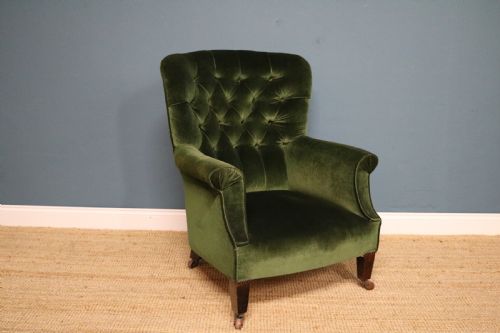
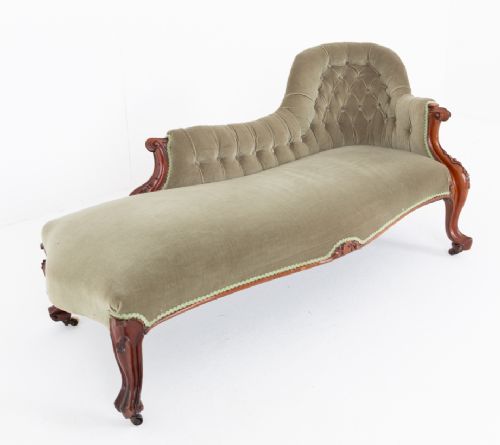
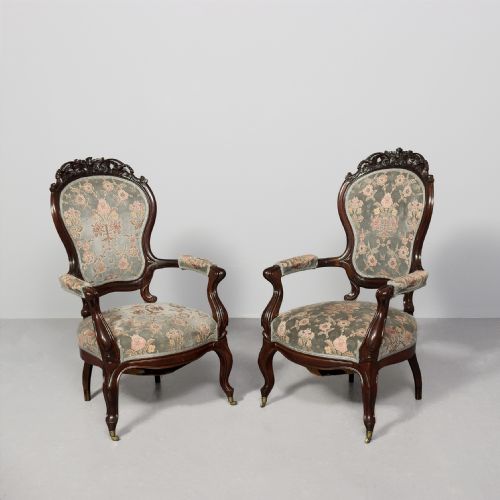
When you search for a green velvet lounge, you encounter an array of seating options ranging from chaise longues and daybeds to armchairs, wingbacks, and compact lounge suites. These pieces originate across various periods, including the eighteenth, nineteenth, and early twentieth centuries, spanning styles such as Regency, Victorian, William IV, Edwardian, and French Provincial.
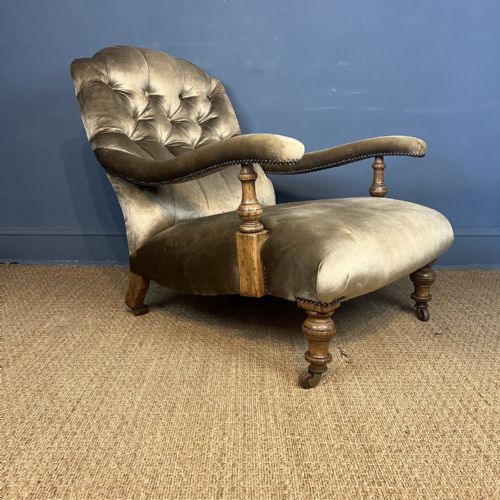
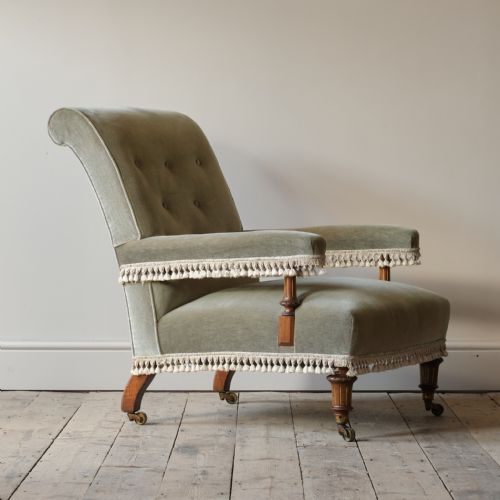
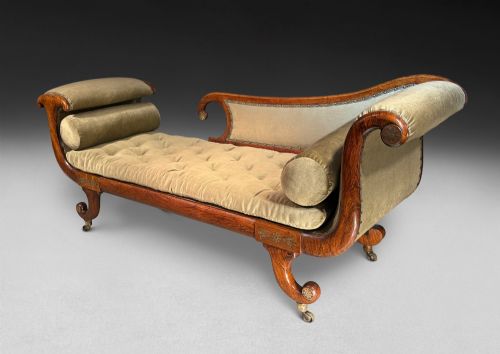
The most common forms on this page are nineteenth century armchairs and Victorian chaise longues upholstered in rich fabric. Makers and workshops from different eras adapted these silhouettes for formal reception rooms, libraries, and private sitting spaces.
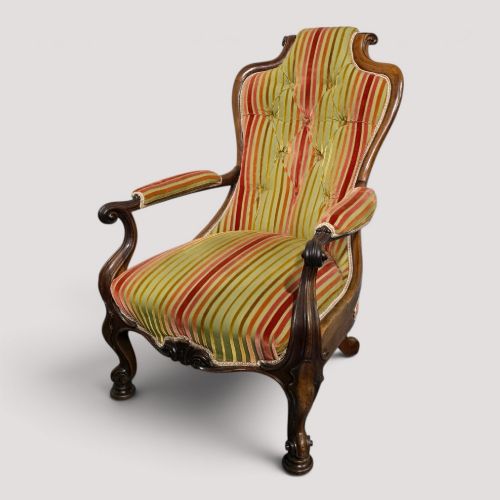
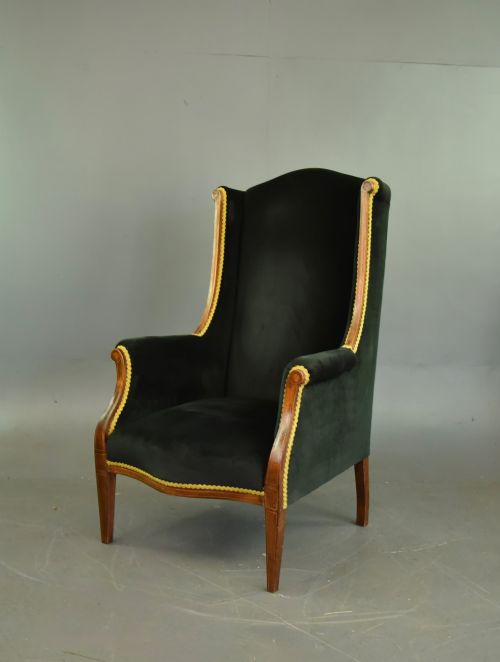
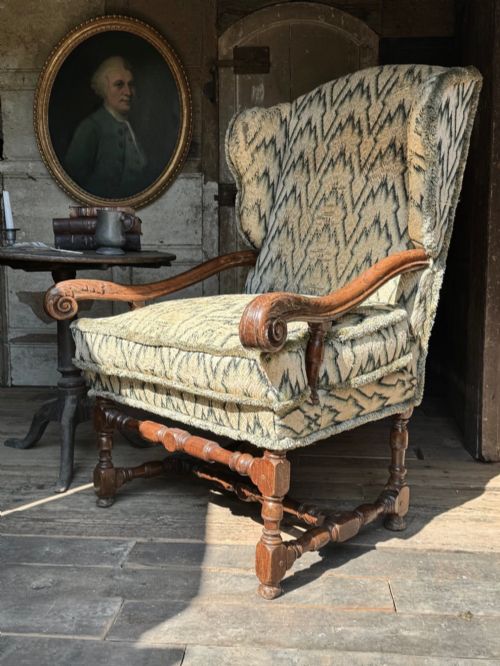
Examples stretch from massive oak wingback armchairs to carved rosewood cabriole leg chairs and walnut nursing seats. Each item reflects the domestic comfort and craftsmanship of its respective era, utilising traditional frames updated with textile coverings.
Construction and Materials
Makers built these frames using robust hardwoods such as mahogany, rosewood, walnut, oak, and other timbers. Artisans shaped these materials into turned legs, cabriole supports, and structural frames designed to endure decades of daily use.
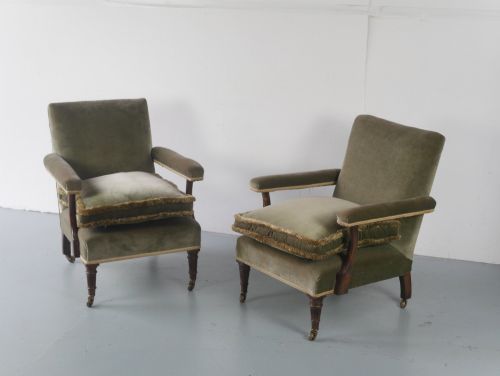
Upholstery relied on textiles including velvet, paired with internal stuffing and suspension methods typical of the period. Brass elements such as castors and inlay work appeared frequently on Regency and Victorian designs to add functional mobility and visual contrast.
Green Velvet Lounge Retail Price Guide 2026
Typical asking prices for green velvet lounge among the pieces listed under this phrase on Sellingantiques today, from the lower quarter to the upper quarter. They describe what is for sale here now, not the wider market.
Several armchairs come equipped with castors, ensuring your heavy velvet seat can quietly escape the fireplace draught.
Assessing Quality
Quality rests upon the integrity of the timber frame, the precision of carved details, and the sophistication of the joinery. Fine examples display crisp carving on rosewood or mahogany, alongside balanced proportions and original structural elements.
The refinement of brass fittings, the execution of inlay, and the structural stability of the upholstered core further separate standard production pieces from workshop masterpieces.
C. Hindley & Sons·William Birch·Gillows
The Green Velvet Lounge Glossary
- Chaise Longue
- An elongated upholstered seat intended for reclining, combining the backrest of a chair with the seat of a daybed. These pieces frequently feature carved wooden frames and scrolling ends.
- Cabriole Leg
- A furniture leg that curves out and then in, resembling the leg of an animal. This form appears commonly on eighteenth and nineteenth century seating.
- Bergère
- An enclosed armchair with upholstered sides and a padded back, often featuring an exposed wooden frame. These chairs typically include a drop-in cushion over a woven cane base.
- Wingback Armchair
- A fireside chair featuring protective wings attached to the back frame to shield the sitter from draughts. Early examples frequently utilise heavy oak or mahogany construction.
- Castor
- A small wheel mounted on a swivel assembly attached to the base of furniture legs. They allow heavy seating such as library chairs and daybeds to move smoothly across floor coverings.
Green Velvet Lounge: Frequently Asked Questions
How do I identify a Victorian armchair?
Victorian armchairs often feature dark hardwoods like rosewood or walnut, deep button tufting, and carved cabriole legs or brass castors. Their silhouettes tend to be robust and heavily padded for domestic comfort.
Makers of this era utilised springing techniques that created generous, supportive seating volumes suited to formal reception rooms and private parlours.
What is a Regency chaise longue?
A Regency chaise longue is an elongated reclining seat characterised by classical revival lines, often incorporating brass inlay and simulated rosewood finishes. These pieces reflect the early nineteenth-century taste for ancient Greek and Roman forms.
They served as statement furniture in affluent drawing rooms, offering a place for daytime relaxation while maintaining formal decorative standards.
How should I care for velvet upholstery?
Velvet requires gentle handling to preserve its pile and rich appearance. Regular light brushing helps prevent the fabric from flattening.
Keep these pieces away from direct sunlight to protect the green dye from fading, and consult a textile specialist for professional cleaning.
Where did wingback armchairs originate?
Wingback armchairs developed during earlier centuries to provide warmth and block cold draughts in unheated rooms. The upholstered wings trapped heat around the sitter's head and shoulders.
Over time, cabinetmakers refined the proportions, adapting the form through the Georgian, Victorian, and Edwardian periods into decorative library and fireside seating.