




Green Shop Display
Green shop display pieces bring commercial character into a room, offering practical storage and striking period colour.
Green Shop Display
Green shop display items encompass utilitarian containers and large fixtures originating from commercial settings during the nineteenth and early twentieth centuries. Buyers seeking green shop display pieces will encounter counters, cabinets, canisters, and tables spanning the Victorian, Edwardian, and Art Deco eras.
French and English origins appear frequently among the listings, showing distinct regional styles such as rustic industrial, folk art, and Belle Epoque. These pieces suit modern interiors needing bold colour and authentic commercial provenance.
How they were made
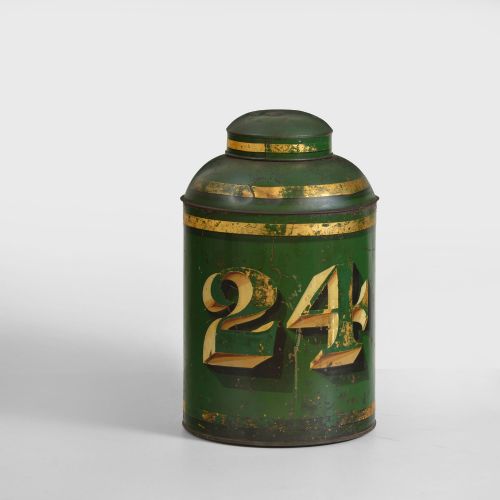
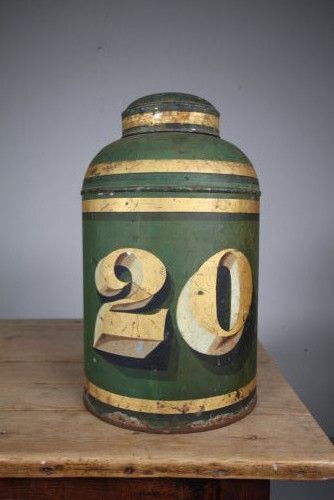
Makers utilised sturdy timbers like pine, oak, and general wood to construct heavy furniture such as counters and drapers tables. Metal and tinplate formed durable containers like tea canisters and toleware tins designed for daily mercantile use.
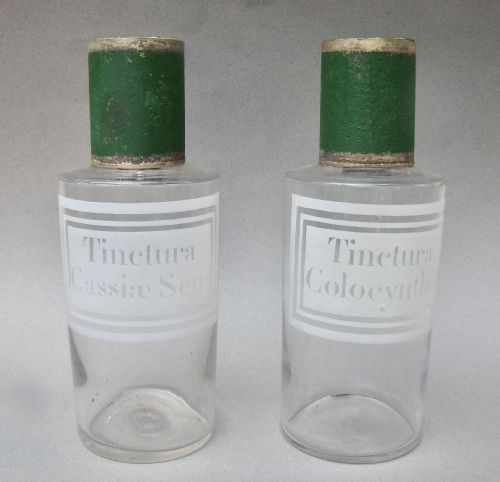
Glass panels were incorporated into countertop display cabinets and etched apothecary jars to showcase goods while protecting them from dust. Surface treatments relied heavily on paint and gold leaf, often developing distressed patinas through decades of commercial handling.
Green Shop Display Retail Price Guide 2026
Typical asking prices for green shop display among the pieces listed under this phrase on Sellingantiques today, from the lower quarter to the upper quarter. They describe what is for sale here now, not the wider market.
A wooden folk art cow trolley on wheels once served a French butcher as a very cheerful display method.
What varies in quality
The strength of the original paint finish largely defines the visual appeal of a green shop display item, with untouched distressed surfaces commanding attention. Construction methods also separate heavy utilitarian pieces, such as butcher trolleys and drapers tables, from lighter decorative items.
Intricate detailing, such as etched glass on apothecary jars or fine signwriting on tea canisters, elevates the execution of ordinary shop objects. Original hardware and intact glass panes preserve the historical integrity of display cabinets and counters.
Albert Guillaume
The Green Shop Display Glossary
- Toleware
- Painted or lacquered metalware, commonly tinplate, utilised for decorative and storage containers in commercial settings.
- Apothecary jar
- A glass vessel originally used in chemists' shops to store medicinal herbs, liquids, or powders, often featuring etched labels.
- Drapers table
- A long, sturdy wooden table built for merchant shops to fold and display textiles.
- Mannequin bust
- A sculptural form fashioned to display garments or hats in shop windows during the early twentieth century.
- Countertop display cabinet
- A glazed wooden enclosure placed on shop counters to showcase small goods to customers.
Green Shop Display: Frequently Asked Questions
What is a green shop display cabinet?
A green shop display cabinet is a glazed wooden structure finished in paint, designed for commercial countertops to exhibit small wares.
These pieces date from periods like the Edwardian era and protect contents while offering strong visual colour.
How were old shop canisters used?
Old shop canisters made of tinplate or metal served as bulk storage containers for tea, dry goods, and provisions in nineteenth-century grocers.
Their painted surfaces and lettering helped merchants identify contents on busy shelves.
Where do French drapers tables come from?
French drapers tables originate from nineteenth-century textile shops where merchants measured and folded fabrics on long wooden surfaces.
Constructed from solid timber, these large tables now function as central furniture pieces in residential homes.
How do I date an apothecary jar?
Apothecary jars from the nineteenth century often feature hand-etched glass decoration and heavy blown construction for pharmacy use.
Comparing the typography and glass clarity helps distinguish nineteenth-century examples from later reproductions.