





Green Perfume Bottle
A green perfume bottle brings a distinct flash of colour to a dressing table, combining utility with decorative glass and metalwork.
Green Perfume Bottle
When you search for a green perfume bottle, you find a variety of small containers designed to hold scents, mostly originating from the Victorian era and the Art Deco period. These items include double-ended scent bottles, atomisers on stands, and larger dressing table sets.
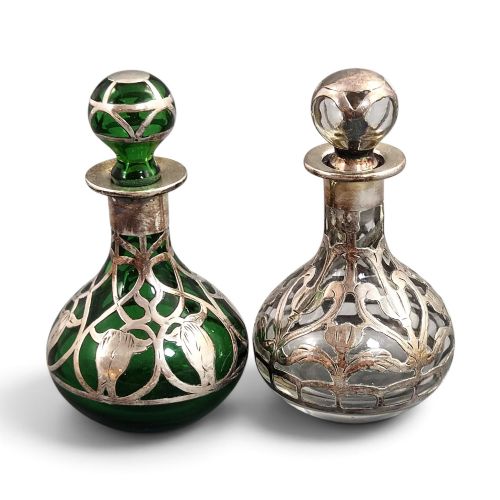
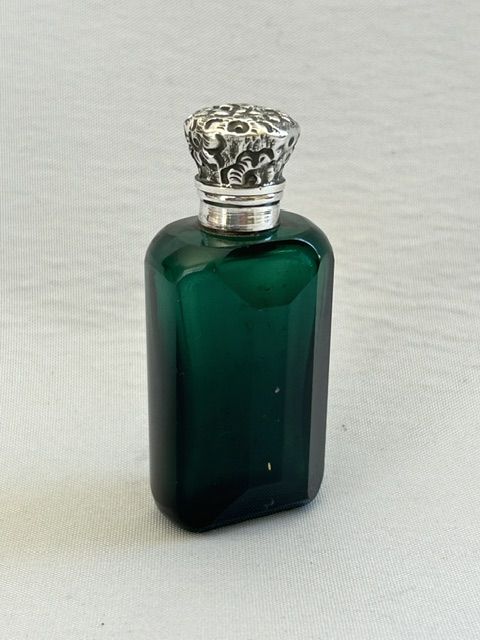
The versions you are most likely to meet on this page utilise glass in shades of Bristol green, vaseline, and spinach-green jade, frequently paired with mounts of sterling silver, silver gilt, or enamel. Objects span from the mid-nineteenth century through to the 1930s, reflecting shifts in both personal grooming habits and design styles.
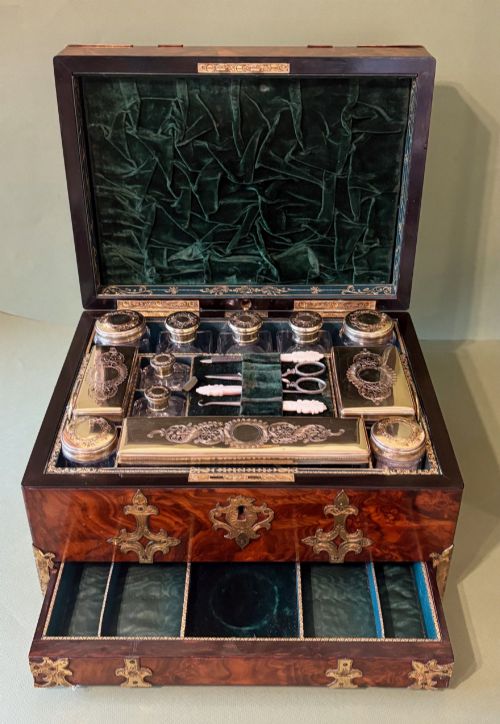
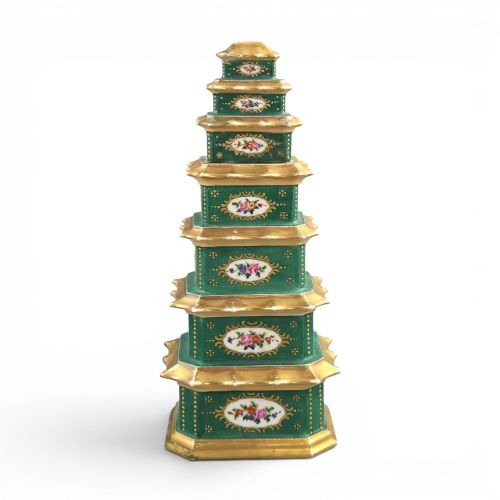
Alongside standard scent bottles, the selection incorporates related items such as snuff bottles, porcelain pagoda bottles, and complete vanity sets housed in dressing cases. Each piece serves as a tactile reminder of historical dressing room rituals.
How they were made
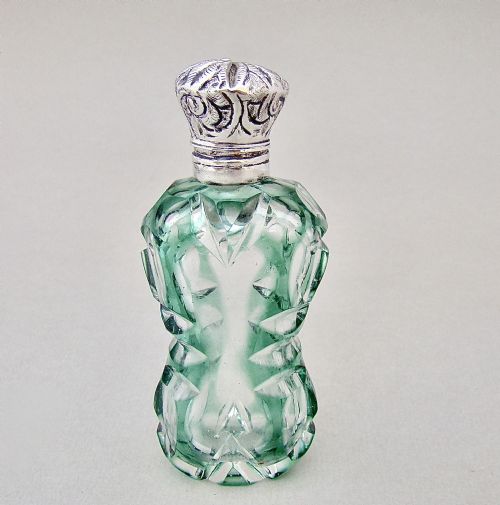
Makers formed the body of each green perfume bottle using coloured glass, ceramic, or jade, often employing overlay techniques to create contrasting layers that could be cut back to reveal the green beneath. Glass is frequently found blown or moulded, sometimes finished with delicate enamel decoration or painted details.
Metalwork mounts, collars, and hinged caps in sterling silver, brass, or bronze were shaped and applied to secure the stoppers and protect the rims. Silversmiths added intricate chasing, embossing, or guilloché enamel panels to finish the exterior hardware of the bottles.
Green Perfume Bottle Retail Price Guide 2026
Typical asking prices for green perfume bottle among the pieces listed under this phrase on Sellingantiques today, from the lower quarter to the upper quarter. They describe what is for sale here now, not the wider market.
The selection spans the Victorian, Edwardian, Art Deco, and Qing Dynasty periods, capturing over a century of dressing table design.
What varies in quality
The refinement of the glass cutting and the weight of the metal mounts determine the standing of an individual green perfume bottle. Pieces with crisp overlay work, intact original stoppers, and fully hallmarked sterling silver demonstrate superior craftsmanship.
Artistry in supplementary materials, such as finely painted porcelain or precisely turned jade and enamel, elevates certain examples above standard utilitarian vessels. The presence of matching sets or original presentation cases also shifts the interest of the item.
Sampson Mordan·Gorham·Jacob Petit·MacIntyre·Henry Perkins·Karl Palda·René Lalique·Mappin & Webb·Hermanova
The Green Perfume Bottle Glossary
- Bristol green
- A deep, vibrant shade of green glass commonly used for nineteenth-century glassware and scent bottles. This intense coloration became a signature of English glasshouses during the Victorian period.
- Guilloché
- A decorative technique where a precise, intricate pattern is mechanically engraved into a metal surface under enamel. It is frequently seen on the silver caps of Art Deco vanity pieces.
- Vaseline glass
- A type of glass containing uranium dioxide that exhibits a distinct yellowish-green fluorescence under ultraviolet light. Victorian manufacturers utilised it for striking decorative items and scent bottles.
- Overlay glass
- A method of casing one layer of coloured glass over another contrasting layer, allowing artisans to cut away portions of the top layer to reveal the design beneath. Bohemian and English makers applied this to great effect.
- Double-ended scent bottle
- A container featuring hinged caps at both ends to hold two different liquids, often smelling salts and liquid perfume. They are typical of Victorian pocket and dressing table accessories.
Green Perfume Bottle: Frequently Asked Questions
What is a double-ended scent bottle?
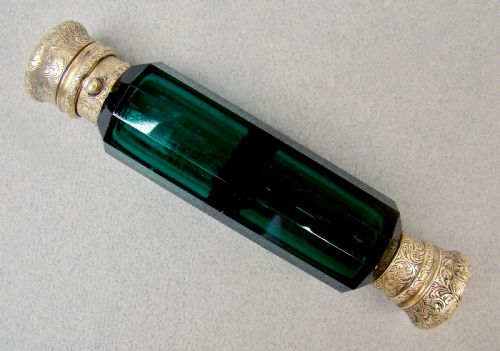
A double-ended scent bottle is a dual-compartment vessel designed to hold two distinct substances, such as liquid perfume in one end and smelling salts in the other. They were popular accessories in the nineteenth century for personal use.
These pieces typically feature hinged silver or metal caps on both tips, allowing the owner access to either side independently. The glass body is frequently coloured in shades like Bristol green.
How do I date a glass scent bottle?
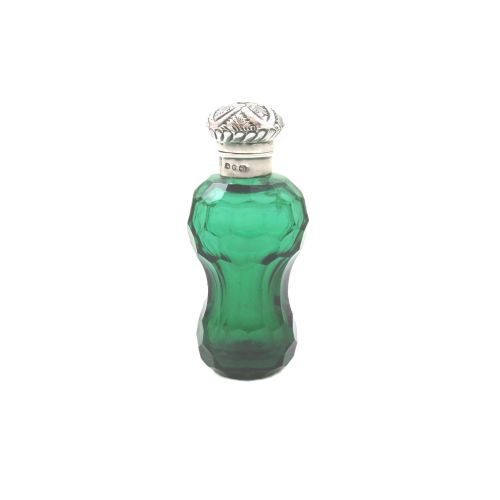
Dating a scent bottle relies on examining the manufacturing techniques, the style of the metal mounts, and any official hallmarks present on the silver or gold components. Victorian examples often display deep green glass with ornate silver repoussé caps.
Art Deco pieces from the 1920s and 1930s tend to feature geometric silhouettes, stylised enamel, or association with known designers like Karl Palda or René Lalique. Period characteristics in the glass cutting provide further clues to the decade of origin.
Are original stoppers important?
Original stoppers are significant because they complete the form and ensure the piece remains in its intended, authentic state. Finding a bottle with its matching glass or dauber stopper preserves the design integrity.
Replacements can alter the balance of the silhouette, particularly in carved or overlay pieces where the stopper continues the pattern of the body. Many collectors prioritise examples that retain their original components.