



Green Metal Garden Seat
A green metal garden seat brings enduring charm to an outdoor space, offering practical seating forged from durable iron and styled across classic periods.
Green Metal Garden Seat
A green metal garden seat provides a functional and decorative focal point for lawns, terraces, and courtyards. When searching for a green metal garden seat, buyers encounter robust benches and chairs designed for outdoor endurance.
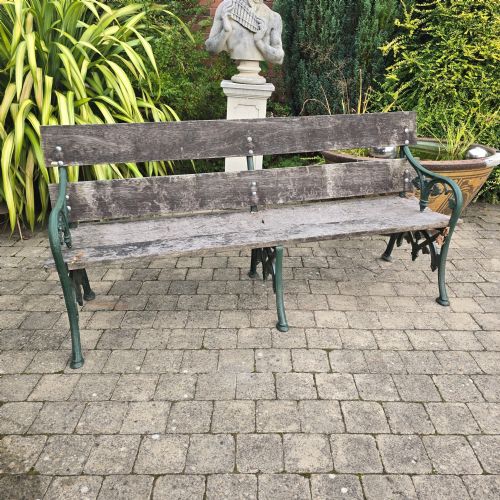
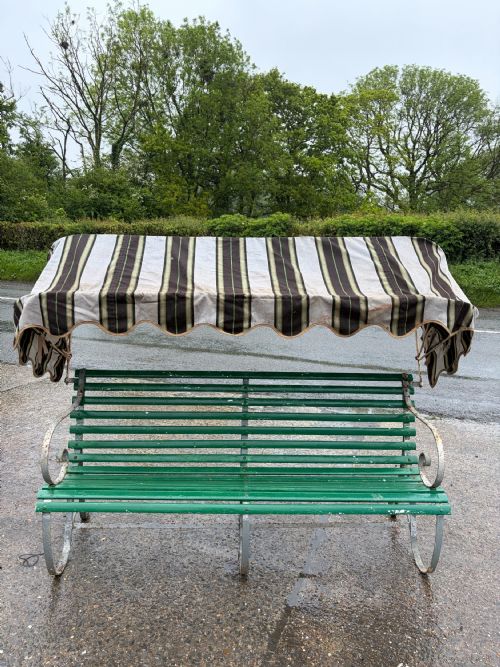
The selections on this page span several distinct periods, including Victorian examples alongside pieces from the decades around nineteen hundred and nineteen twenty. Forms range from single garden chairs and pairs of benches to larger sets and specialised items with canopies.
Makers utilised durable metals like cast iron and wrought iron to shape these seats, frequently finishing them in green paint. Buyers frequently meet garden benches and garden chairs embodying French Country and Victorian styles.
How a green metal garden seat was made
Craftsmen shaped these outdoor pieces primarily using cast iron and wrought iron, employing strap iron for structural support and decorative flourishes. Metal components were moulded, forged, and joined to create sturdy frames capable of withstanding external elements.
Surface protection involved the application of paint, creating the characteristic green colour seen across the pieces. Some examples incorporate timber elements or fabric to complement the primary iron construction.
Green Metal Garden Seat Retail Price Guide 2026
Typical asking prices for green metal garden seat among the pieces listed under this phrase on Sellingantiques today, from the lower quarter to the upper quarter. They describe what is for sale here now, not the wider market.
Listings feature items spanning the Victorian era through to nineteen twenty, utilising cast iron, wrought iron, timber, and fabric.
What varies in quality
Quality differences emerge in the complexity of the ironwork, distinguishing simple strapwork frames from elaborate cast iron designs and scrolling details. The execution of structural elements like canopies or folding mechanisms marks the distinction between standard utilitarian items and finer works.
The preservation of original paint layers contributes to the character and authenticity of a piece. Finer examples retain genuine patination and historic surface finishes rather than later repainting.
The Green Metal Garden Seat Glossary
- Cast iron
- Molten iron poured into a mould to create rigid decorative forms. This technique allowed Victorian makers to produce intricate garden benches with sculptural relief.
- Wrought iron
- Iron heated and hammered into shape by hand. This material provides the flexibility needed for strapwork and scroll designs.
- Strap iron
- Flat bars of iron used in metalwork construction. It forms the flexible lattice or strapwork patterns seen on lighter garden seats.
- Canopy
- An overhead covering attached to a seat. Victorian garden benches sometimes included this feature to provide shade from the sun.
Green Metal Garden Seat: Frequently Asked Questions
How do I maintain a metal garden seat outdoors?
Metal garden seats require periodic inspection for surface wear to protect the underlying iron from moisture. Applying suitable protective coatings helps preserve the painted finish against weather damage.
Storing pieces during harsher winter months also prevents unnecessary deterioration of the iron and any timber components.
Were these seats designed to stay outside all year?
Victorian and early twentieth-century garden seating was built robustly from cast and wrought iron to withstand regular outdoor use. The heavy metal construction ensured the furniture remained stable on lawns and patios.
While durable, prolonged exposure to damp conditions can affect the painted surfaces, leading owners to provide shelter during extreme weather.
How can I tell a Victorian garden seat from later pieces?
Victorian examples often feature heavier cast iron construction with distinct period ornamentation and structural motifs. Makers of this era frequently incorporated elaborate scrollwork or architectural canopies.
Later pieces from the early twentieth century, such as those from nineteen twenty, sometimes lean towards lighter French Country styles and folding iron configurations.
What is the difference between cast iron and wrought iron seats?
Cast iron is poured into moulds, resulting in rigid, highly detailed decorative panels and solid bench ends. Wrought iron is heated and hammered, yielding flexible bars used for scrolling frameworks and strapwork.
Many garden seats combine both techniques, utilising cast iron for heavy decorative ends and wrought iron for the supportive strapwork.