



Green Interior Painting
Green interior painting brings domestic scenes and cabinetry into focus through oil on canvas, reverse painting on glass, and painted wood.
Green Interior Painting
Green interior painting gathers works ranging from 18th century Dutch glazed display cabinets and vitrines to 19th century oil paintings on canvas and panel. These pieces combine domestic furniture forms with fine art portrayals of rooms, figures, and still lifes across Victorian, Georgian, and later periods.
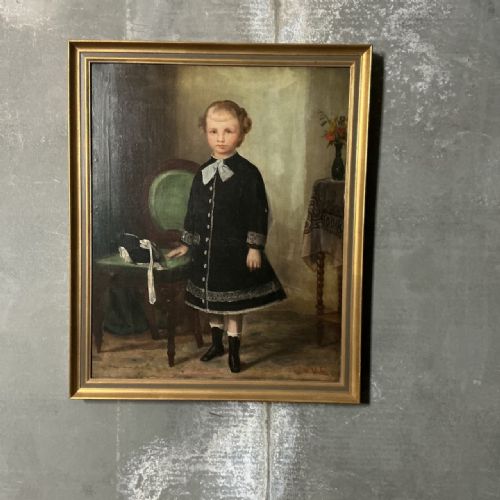
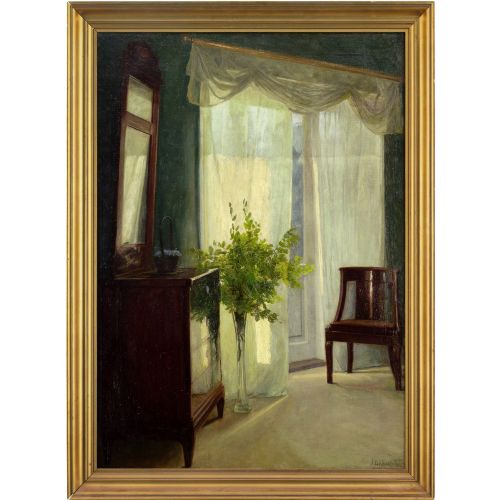
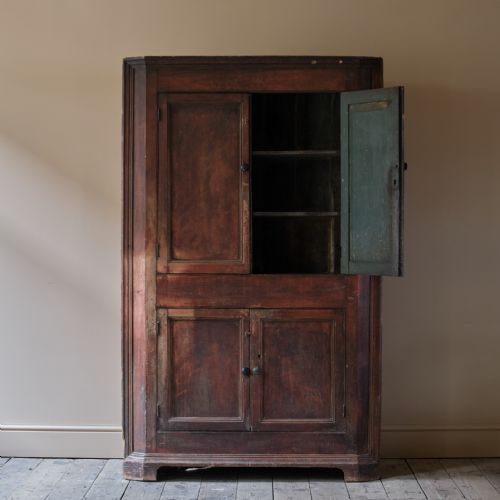
Buyers encounter oil paintings depicting rooms, artists, and tea hours alongside painted wood furniture such as corner cupboards and bookcases. The selection spans Dutch Rococo, French Provincial, and Scandinavian Realism alongside Chinese export reverse painting on glass.
Materials and construction
Makers utilised wood, canvas, and glass combined with oil paint and ordinary paint to produce these objects. Canvases and wooden panels receive oil paint layers for interior scenes, while glass supports reverse painting techniques.
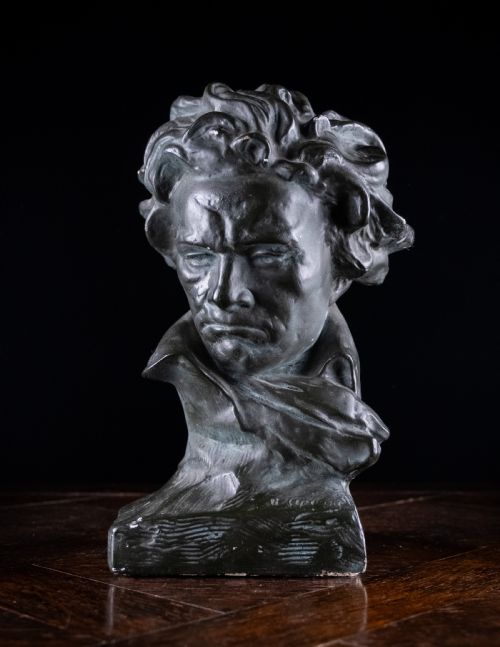
Furniture pieces like display cabinets and corner cupboards employ wood treated with paint finishes alongside brass hardware. Plaster serves for sculptural busts, completing the material range found across the listings.
Green Interior Painting Retail Price Guide 2026
Typical asking prices for green interior painting among the pieces listed under this phrase on Sellingantiques today, from the lower quarter to the upper quarter. They describe what is for sale here now, not the wider market.
The listings show oil paintings, reverse glass paintings, and painted wooden cabinets spanning the eighteenth to the twentieth century.
Judging the range
Quality separates through the execution of brushwork on canvas and the structural joinery of wooden cabinets. Finer paintings display deliberate handling of light in interior spaces, while superior furniture demonstrates careful proportion and paint application.
The distinction lies in the fidelity of period details and the preservation of original painted surfaces on both wood and canvas. Works by identified artists or established schools command attention through composition and historical context.
John Lübschitz·Francis Alleyne·Charles Cameron Baillie·Herbert Butler·JOHN PERCY COOKE·Pierre-Louis Bouchard
The Green Interior Painting Glossary
- Oil on canvas
- Pigments bound in drying oil applied to stretched woven fabric. This medium underpins the majority of fine art interior scenes in the collection.
- Reverse painting on glass
- Application of paint to the rear face of a glass panel to be viewed from the front. This technique produces a reflective surface quality seen in Chinese export works.
- Vitrine
- A glass-fronted cabinet designed for displaying objects. These pieces often feature painted wooden frames originating from the eighteenth century.
- Chrystoleum
- A photograph coloured by hand with oil paints and mounted beneath concave glass. This Victorian technique simulates the appearance of an oil painting.
Green Interior Painting: Frequently Asked Questions
What is a green interior painting?
It is an artwork or painted furniture item depicting indoor spaces, domestic activities, or domestic storage. The selection includes oil on canvas, reverse glass painting, and painted wooden cabinets.
These pieces reflect interior aesthetics across the eighteenth, nineteenth, and early twentieth centuries. They combine artistic depictions of rooms with functional display furniture.
How do I date these items?
Dating relies on stylistic markers, framing conventions, and material preparation methods recorded in each piece. Victorian and Georgian pieces carry specific structural and artistic traits distinct from later twentieth-century works.
Examining the canvas preparation, panel construction, and paint formulation helps establish the period. Signatures and documented artist lifespans further narrow the timeline.
Where were these pieces made?
Origin locations span England, France, China, the Netherlands, and Scandinavia. Each region contributed distinct cabinet-making traditions and painting schools.
Chinese workshops specialised in reverse glass painting for export markets, while European makers focused on regional furniture styles and academic oil painting.
How do I display them?
Paintings require wall space with stable humidity and indirect light to protect oil pigments and canvas supports. Cabinets and vitrines function as storage and display vessels for smaller decorative objects.
Matching the period of the painting or cabinet with complementary room surroundings allows the piece to integrate naturally. Furniture with painted finishes benefits from placement away from direct heat sources.