

Green Impressionist Oil Canvas
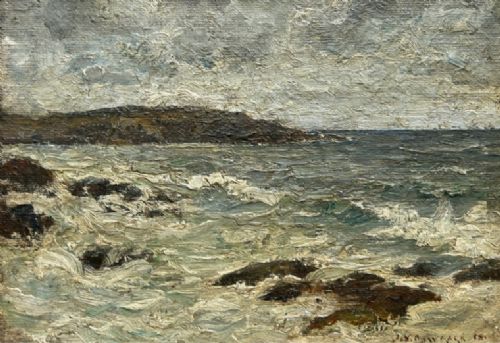
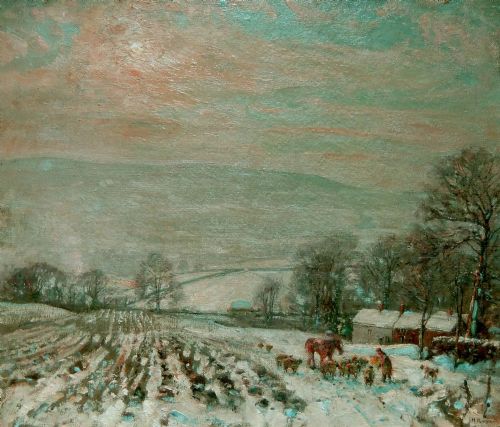
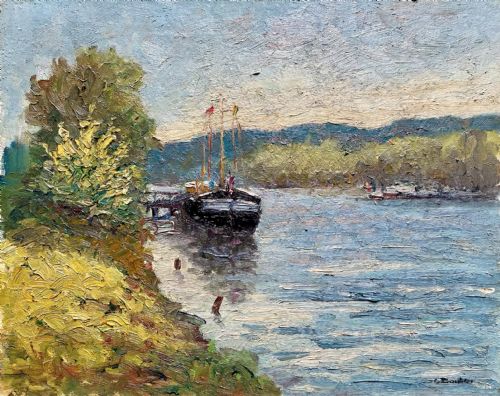
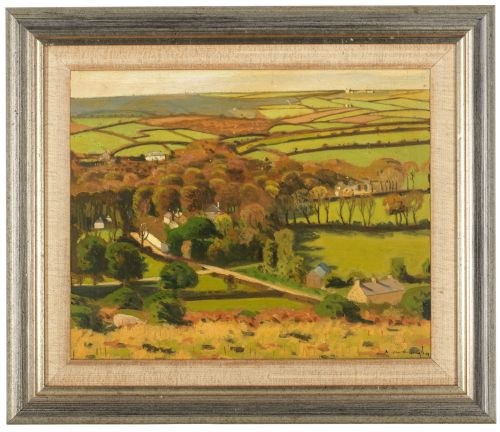
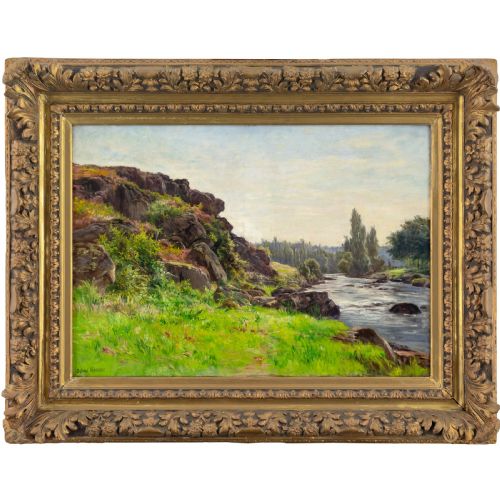
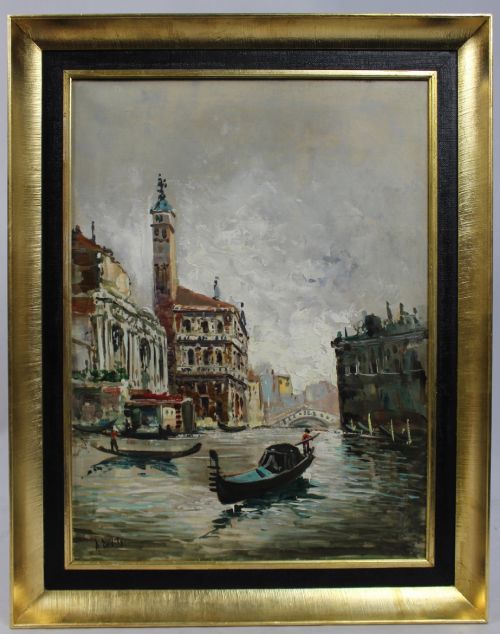
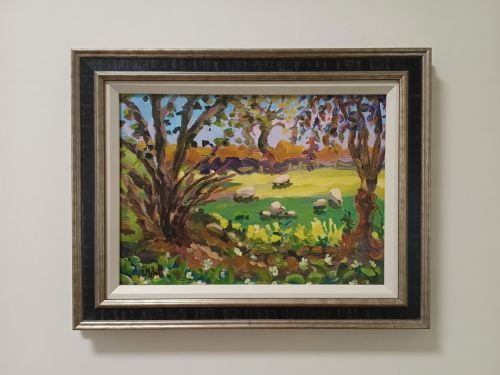
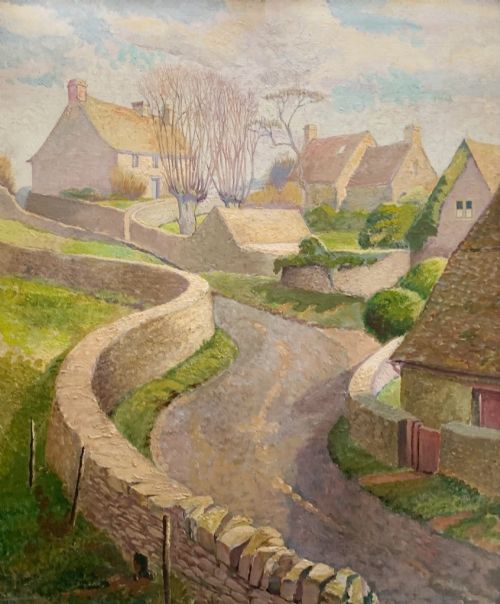
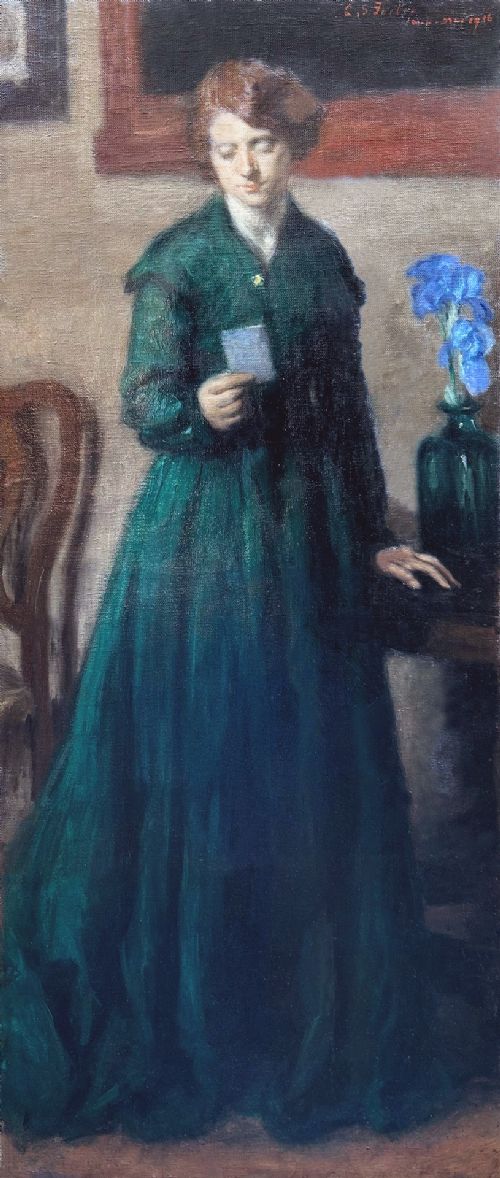
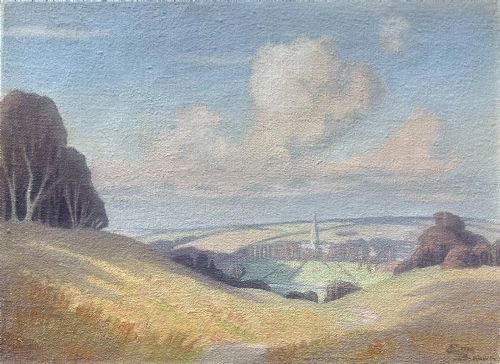
A green impressionist oil canvas brings verdant landscapes and lively light into a room through textured brushwork.
Green Impressionist Oil Canvas
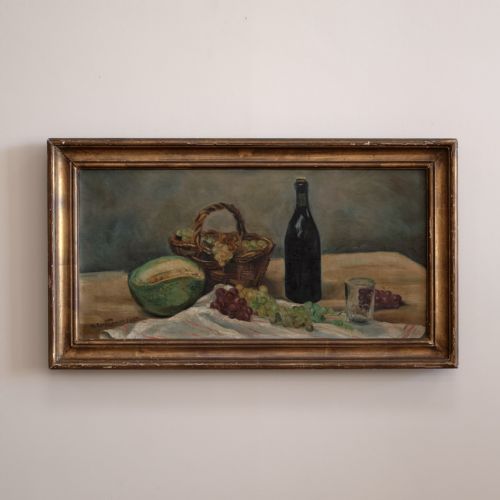
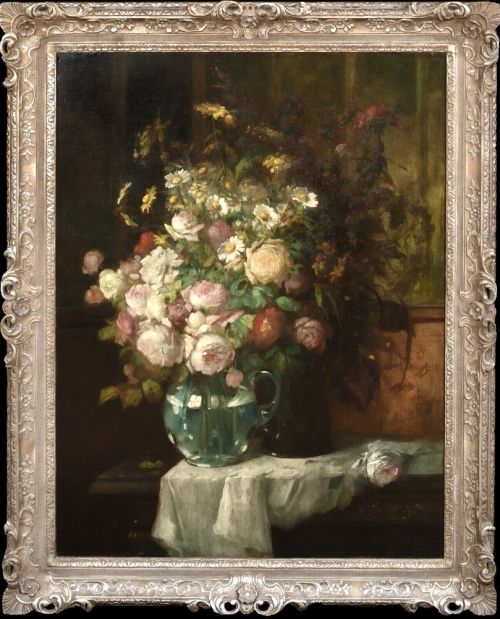
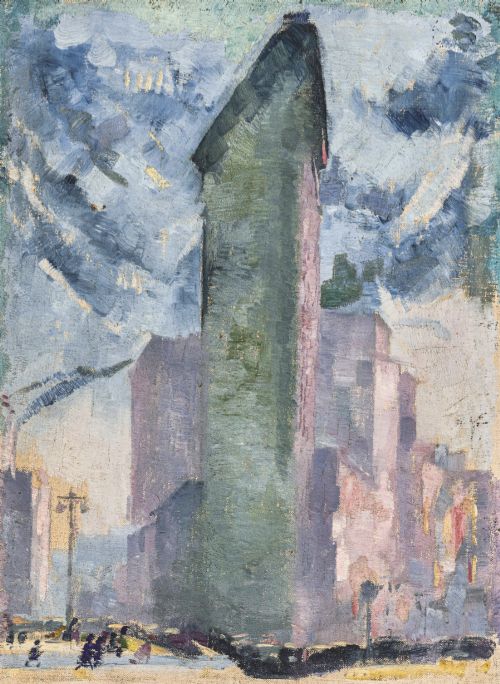
A green impressionist oil canvas captures landscapes, coastal scenes, gardens, and still lifes through the lens of late nineteenth and twentieth-century movements.
The pieces appearing most frequently range from British, French, Scottish, and Austrian impressionist schools to modern British interpretations.
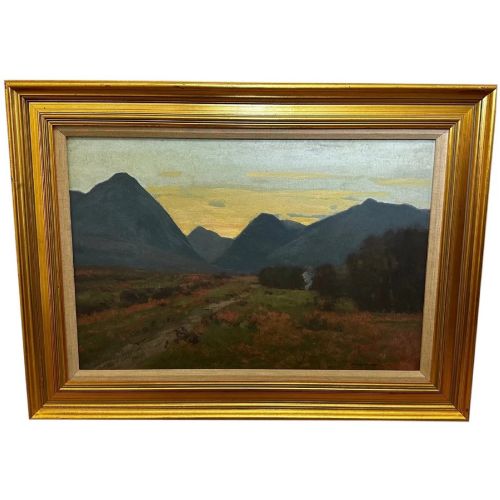
Makers and painters of these works utilised oil paint on canvas, frequently housed within wooden frames embellished with gilt or gold leaf.
Materials and construction
Artists painted primarily using oil paint applied to stretched canvas supports, occasionally employing impasto techniques to build thick, textured surfaces of pigment.
Frames constructed from wood frequently incorporated gilt or gold leaf finishes to complement the painted compositions.
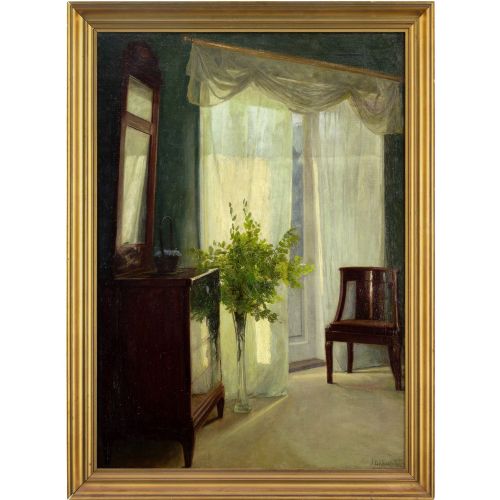
Several canvases capture domestic scenes alongside botanical studies, including a self-portrait featuring a paint palette.
Qualities that distinguish individual works
The handling of light and brushwork determines the strength of an impressionist canvas, separating hurried sketches from resolved compositions.
Condition of the pigment and the originality of the associated wooden and gilt frames influence the integrity of the piece.
George Graham·George Houston·Herbert Royle·Robert Morson Hughes·Gabriel Mathieu·John Lübschitz·Antonio DeVity·Konstantin Stoitzner·Lucy Pratt·Charles Stuart Forbes·Alfred Wolmark·Eric Brown·Gladys Marguerite Baker·Henri Ottmann·Ernest Higgins Rigg·Sir Alfred East·Cecil Allan Mould·Rene Levrel·Paul Désiré Trouillebert·Henry Yeen King·Paul Ehrenberg·Alexander Wellwood Rattray·John Horace Hooper·Owen Bowen·Honore Cavaroc
The Green Impressionist Oil Canvas Glossary
- Impressionism
- A nineteenth-century painting style characterised by relatively small, thin yet visible brush strokes and an emphasis on accurate depiction of light.
- Impasto
- The process or technique of laying on paint or pigment thickly so that it stands out from a surface.
- Post-Impressionism
- A predominantly French art movement that developed from about 1886 to 1905, extending impressionism while rejecting its limitations.
- Gilt
- Covered thinly with gold leaf or gold paint.
- Still life
- A painting or drawing of an arrangement of non-moving, ordinary objects.
Green Impressionist Oil Canvas: Frequently Asked Questions
How do I hang a heavy oil canvas?
Support heavier framed canvases using picture wire rated for the specific weight, secured directly into wall studs with appropriate hardware.
Avoid hanging oil paintings in rooms with excessive moisture or direct sunlight to protect the canvas and paint layers.
How do I clean an oil painting?
Dust surfaces gently with a soft, dry brush without applying pressure to the pigment or impasto ridges.
Leave deeper cleaning and conservation work to professional restorers to prevent damage to the original paint.
What periods do these paintings span?
The works date primarily from the late nineteenth century through the mid-twentieth century, encompassing Victorian and post-impressionist eras.
Styles range from British and French impressionism to modern British and Scottish regional movements.
Are original frames important?
Original wooden frames, particularly those with period gilt or gold leaf finishes, add historical context and complement the artwork.
Frames often show signs of age that match the canvas, confirming the era of the piece.