
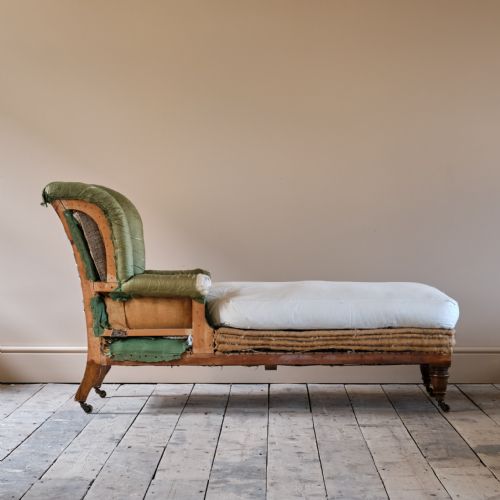
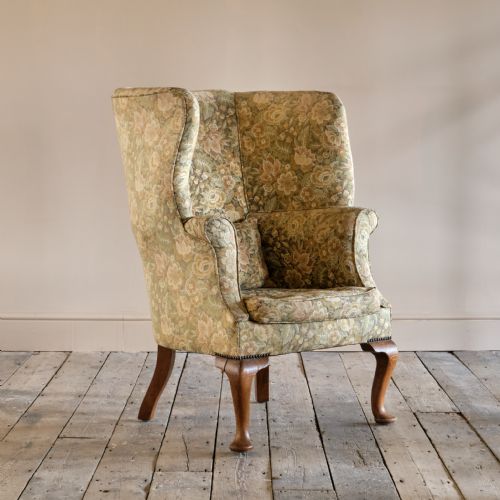


Green Fabric Chair
Green fabric chairs combine timber frames with textile upholstery across periods from the Georgian era to the twentieth century.
Green Fabric Chair
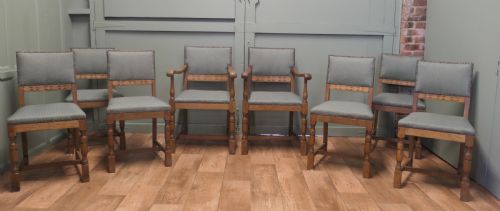
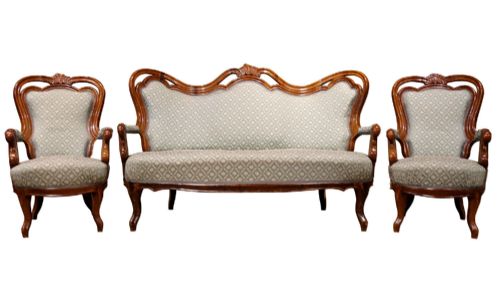
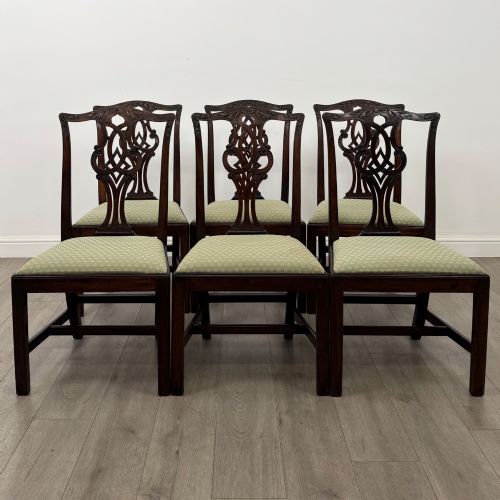
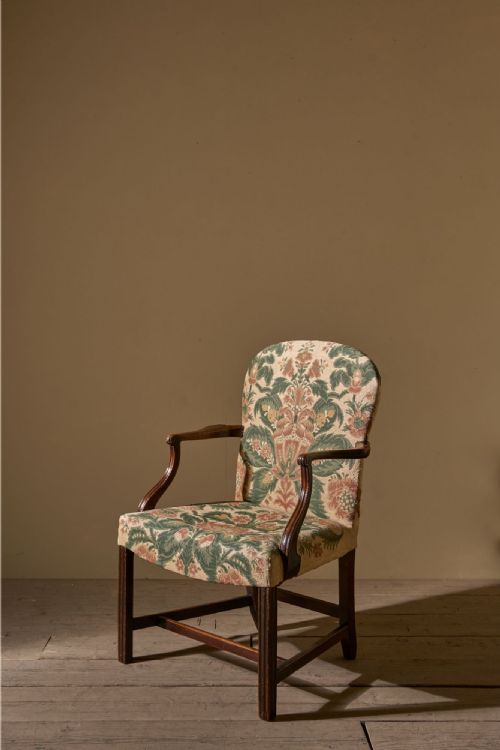
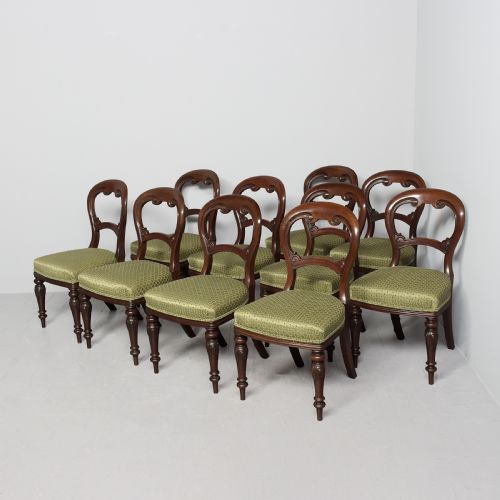
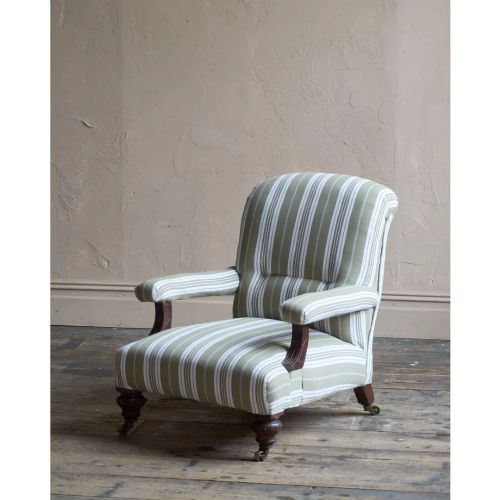
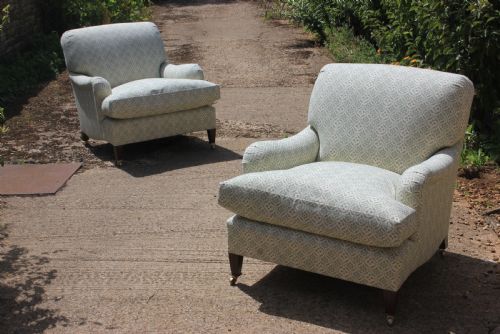
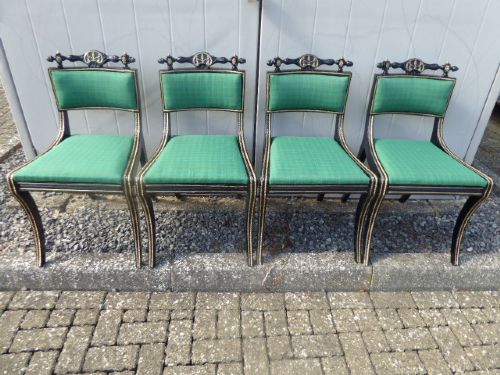
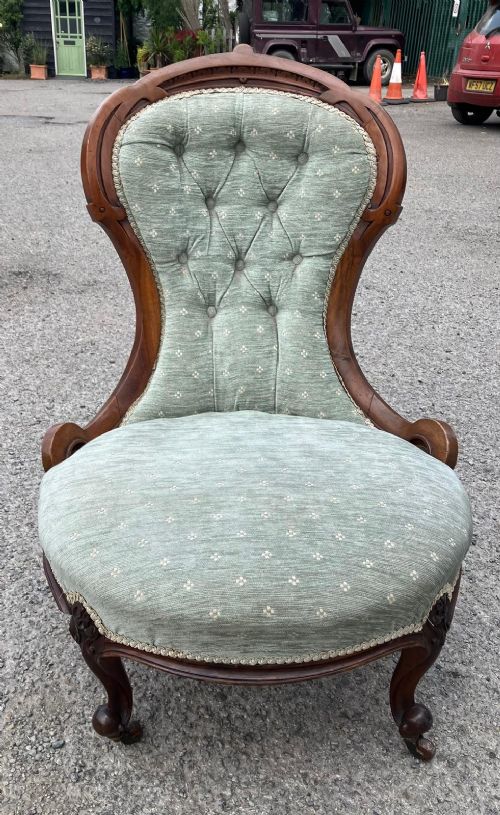
A green fabric chair covers diverse seating forms, ranging from single armchairs and nursing chairs to sets of dining chairs and salon suites. Buyers seeking a green fabric chair often encounter mahogany, walnut, or oak frames paired with cotton, tapestry, or ticking fabric.
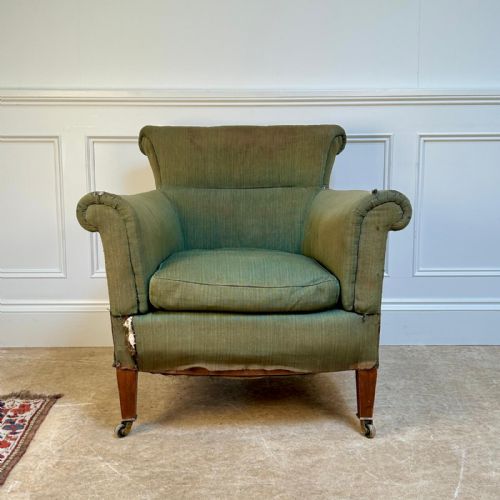
The selection includes Victorian gentleman's armchairs, Edwardian wingbacks, and Regency carvers alongside Arts and Crafts dining sets and twentieth-century barrel back designs. Walnut and mahogany frame woods predominate among nineteenth-century examples, while earlier pieces display Georgian proportions.
Materials and construction
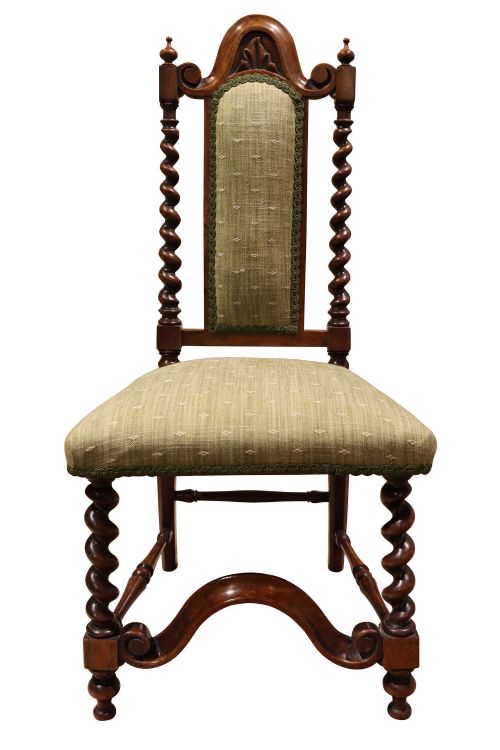
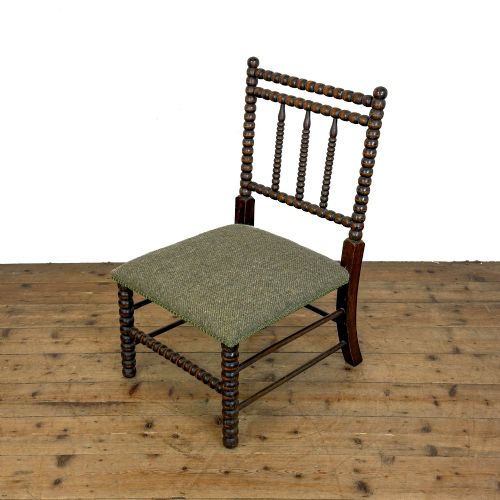
Frames rely on solid timbers such as mahogany, walnut, oak, satinwood, and teak, shaped with carved details, barley twists, or ebonised and gilt finishes. Brass components appear on castors and fixings.
Upholstery employs cotton, tapestry fabric, and ticking over traditional padding methods, securing the textile covering to the wooden internal structures.
Primary framing materials across the available inventory include mahogany, walnut, oak, teak, satinwood, and brass.
Assessing quality
Quality rests upon the precision of timber carving, the structural integrity of the frame joints, and the selection of durable upholstery materials. Finer examples display well-figured mahogany or walnut, crisp turned or carved elements, and substantial proportions.
Secondary attributes include the integration of maker details, sophisticated stylistic revivals such as Queen Anne or Jacobean influences, and harmonious pairings in multi-piece dining sets or salon suites.
Howard and Sons·William Morris
The Green Fabric Chair Glossary
- Carver
- An armchair designed with arms, often matching a set of side chairs intended for the ends of a dining table. These frames frequently use mahogany or oak.
- Wingback
- An armchair featuring protective side panels attached to the arms to deflect drafts. These upholstered forms date from the Georgian and Victorian periods.
- Ebonised
- Wood finished with a dark stain or pigment to imitate ebony. This treatment appears frequently on nineteenth-century seating frames.
- Salon suite
- A matched set of upholstered seating comprising sofas and armchairs for formal reception rooms. These suites often utilise walnut frames.
Green Fabric Chair: Frequently Asked Questions
How do I date a green fabric chair?
Dating relies on identifying stylistic markers, frame timbers, and construction techniques characteristic of periods like the Georgian era, the Victorian reign, or the Edwardian years.
Changes in chair proportions, leg turnings, and upholstery methods help distinguish an eighteenth-century frame from a nineteenth-century revival piece.
Are these chairs suitable for daily use?
Many antique armchairs and dining chairs remain structurally robust for everyday seating when the wooden frame and internal webbing receive proper maintenance.
Buyers should assess the stability of the joints and the condition of the fabric before placing chairs into heavy daily rotation.
What wood types should I expect?
Frames commonly utilise dense hardwoods including mahogany, walnut, and oak, alongside occasional examples in satinwood, teak, or ebonised wood.
Each timber brings distinct grain patterns and weight characteristics that correspond to specific manufacturing periods and regional styles.