




Green Dress Portrait
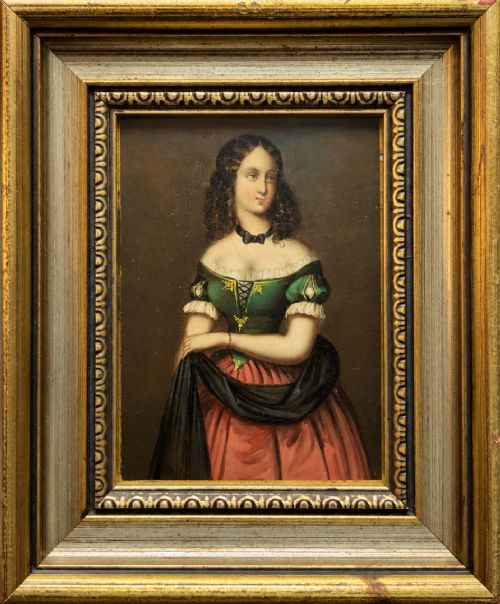
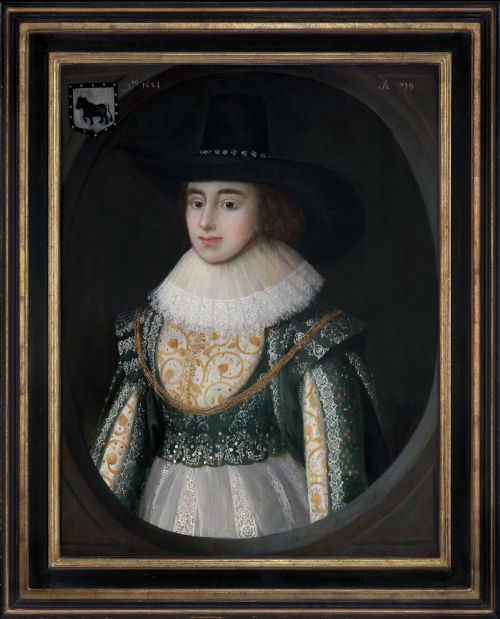
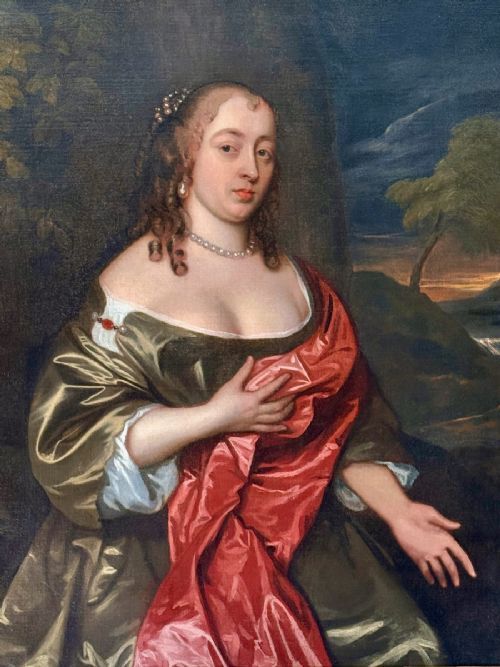
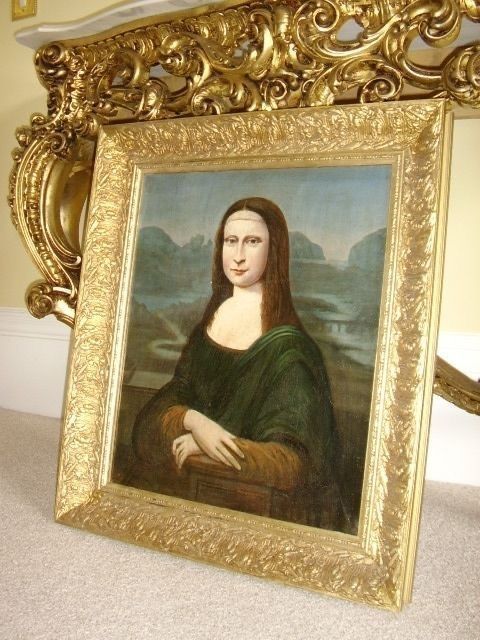
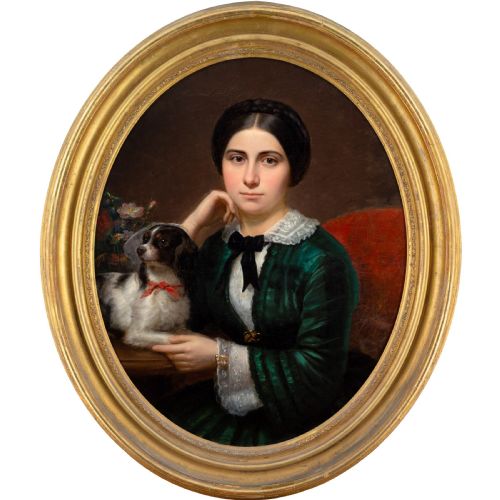
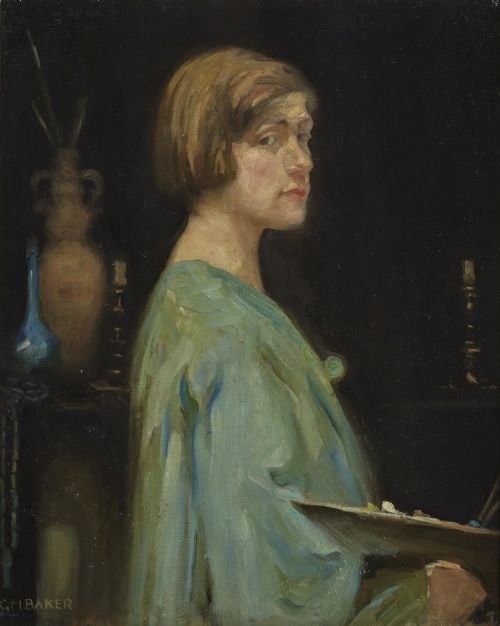
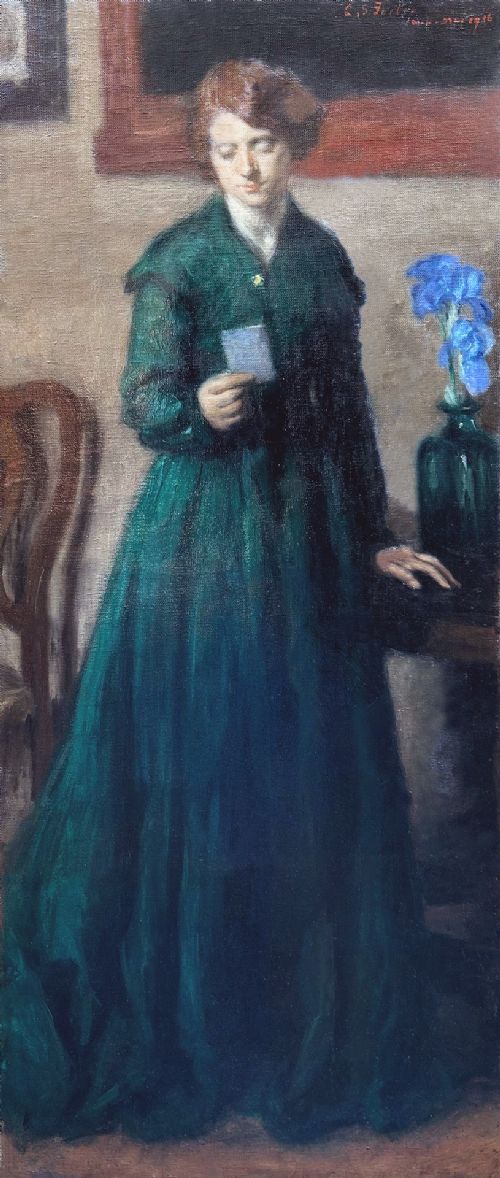
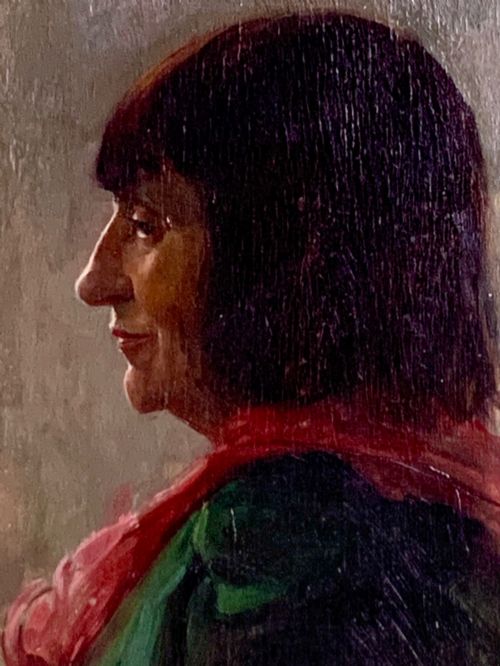
When you search for a green dress portrait, you find oil paintings and works on paper depicting subjects in distinct green attire across several centuries.
Green Dress Portrait
A green dress portrait focuses on the clothing and presence of the sitter, rendered in media ranging from early oils to mid-century pastels.
You are most likely to meet 19th-century works and 17th-century pieces featuring subjects in vibrant gowns on this page.
The selection includes formal depictions of ladies in extensive landscapes as well as intimate interior studies from various European schools.
Materials and methods
Artists painted primarily with oil on canvas or wood panel, applying pigments that captured the rich tones of silk and satin garments.
Works on paper utilise watercolour and pastel, while alternative techniques include reverse glass prints that preserve bright surface details.
Green Dress Portrait Retail Price Guide 2026
Typical asking prices for green dress portrait among the pieces listed under this phrase on Sellingantiques today, from the lower quarter to the upper quarter. They describe what is for sale here now, not the wider market.
Listings feature works spanning from the 17th century to the 1950s, utilising canvas, wood, paper, and glass.
Distinctions in execution
The sophistication of brushwork in the rendering of textiles and facial expressions marks the difference between standard studio output and superior works.
Condition and originality of the surface, including the retention of original stretchers and unblemished paint layers, determine the standing of each piece.
Cornelius Johnson·John Hayls·Nicolaes Maes·Sir Peter Lely·Enoch Seeman·Francis Alleyne
The Green Dress Portrait Glossary
- Oil on canvas
- Pigments bound in drying oil applied to a woven fabric support stretched over a wooden frame. This medium allowed artists to build rich textures and deep colour saturation.
- Panel painting
- Artwork executed on a flat piece of wood rather than fabric. Panels provide a rigid surface often seen in earlier periods.
- Reverse glass print
- An image applied directly to the rear side of a glass sheet and viewed through the front. This technique protects the pigments from atmospheric damage.
- Pastel
- A dry drawing medium composed of powdered pigment and a binder formed into sticks. It produces a velvety surface with soft colour transitions.
Green Dress Portrait: Frequently Asked Questions
What periods do these portraits cover?
The selection spans from the seventeenth century through to the mid-twentieth century, reflecting changing fashions in portraiture over four hundred years.
Early examples show Jacobean and Baroque formal dress, while later pieces capture Edwardian and mid-century modern aesthetic choices.
How should I care for an antique oil painting?
Keep the artwork away from direct sunlight and dramatic fluctuations in room temperature to protect the canvas and wood from warping.
Dust the surface gently with a dry, soft brush and avoid using any liquid cleaners on the paint layer.
Are all these pieces painted in oil?
While oil on canvas and wood panel dominate the selection, other media appear across the listings.
You will also find watercolours, pastels on paper, and reverse glass prints representing different artistic traditions.
How do I identify the sitter in a portrait?
Identification relies on contemporary inscriptions, family provenance, or archival records linked to the artist and date.
Many sitters remain unrecorded, known simply by their dress or the school of art to which the painter belonged.