




Green Crystal Glasses
Green crystal glasses span centuries of glassmaking, offering vibrant colour and brilliant light refraction for your table.
Green Crystal Glasses
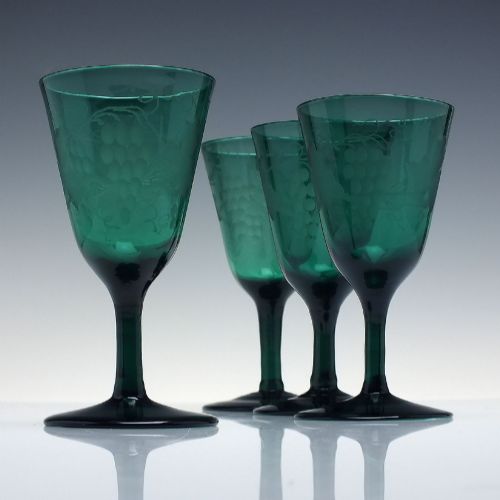
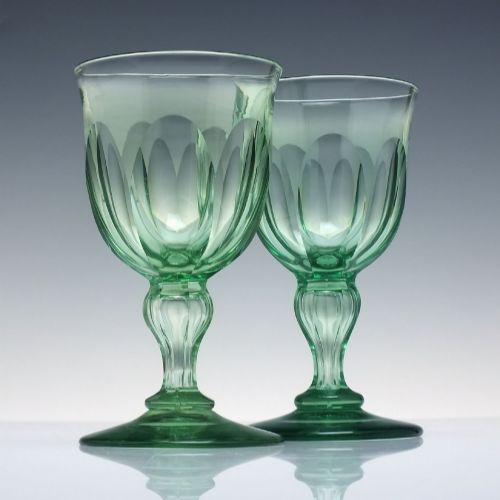
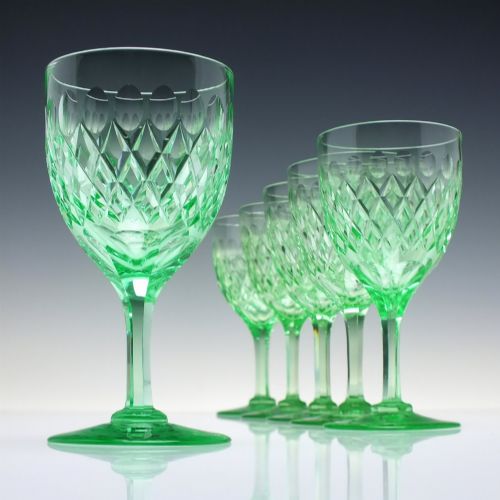
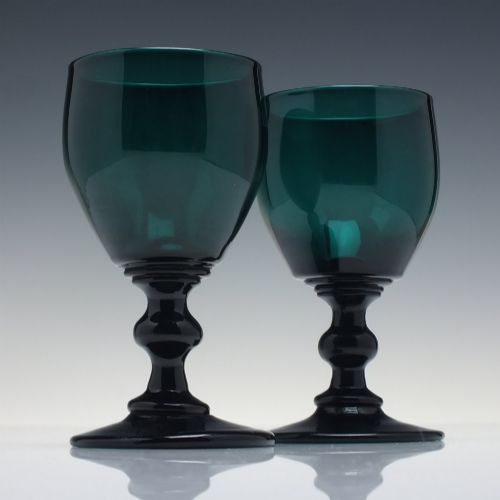
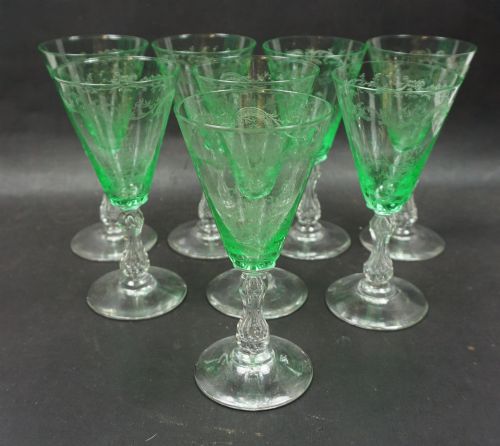
Green crystal glasses encompass drinking vessels, decanters, and decorative forms produced across various periods including the Georgian era, Victorian period, and twentieth century.
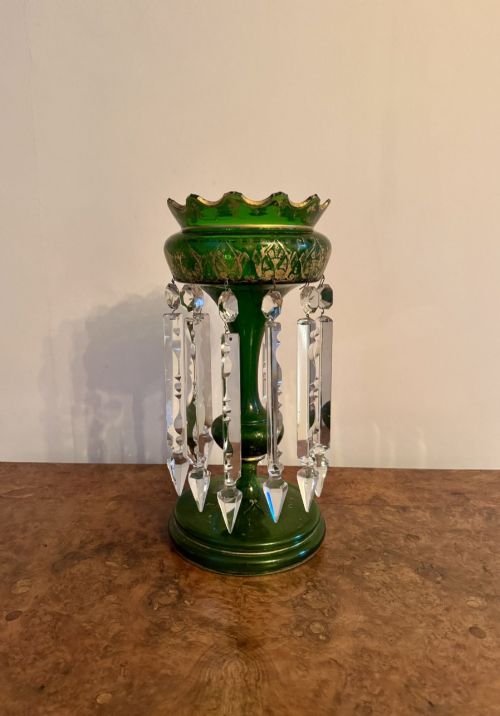
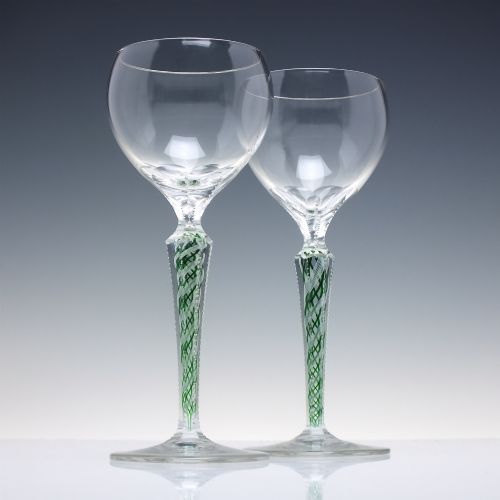
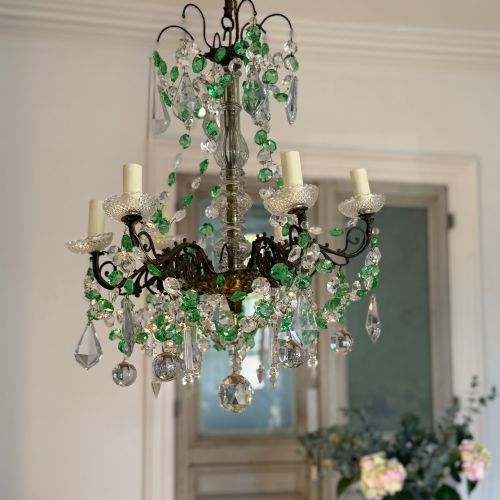
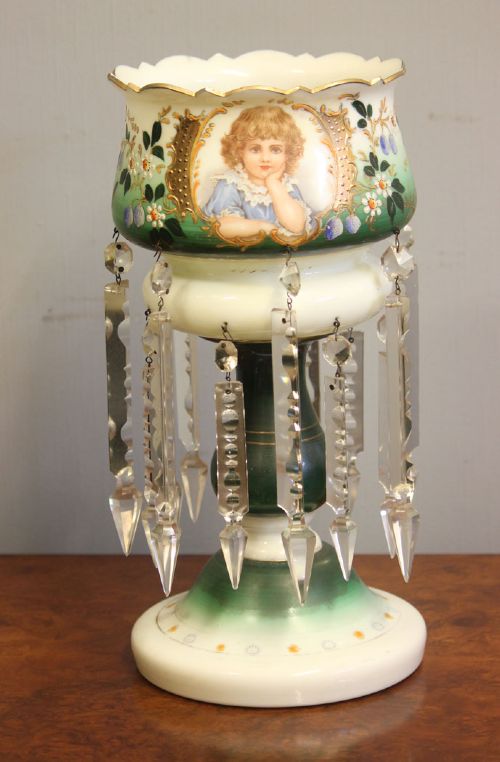
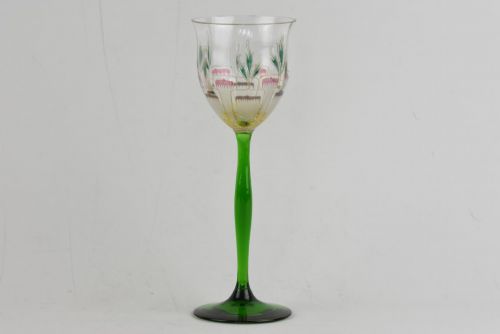
Wine glasses and hock glasses feature prominently among the items, alongside table lustres, vases, and decanter sets.
Originating from English, French, Belgian, and Bohemian workshops, these pieces demonstrate diverse manufacturing traditions from distinct European centres.
Materials and construction
Pieces utilise lead crystal, lead glass, and cased or over-crystal methods where a green layer is cut away to reveal clear glass beneath.
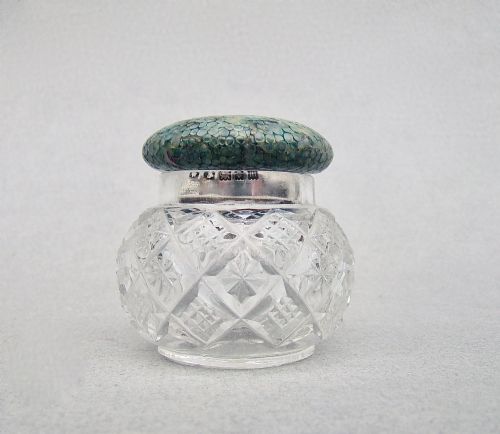
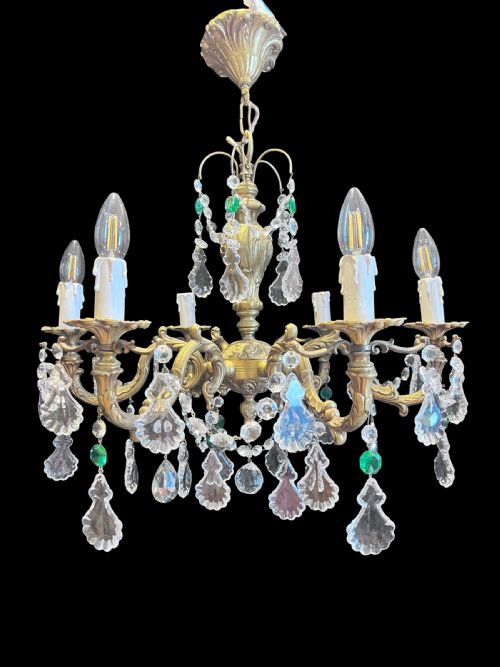
Decoration involves intaglio engraving, floral enamel work, gold leaf accents, and applied glass elements combined with silver mounts or brass components.
Green Crystal Glasses Retail Price Guide 2026
Typical asking prices for green crystal glasses among the pieces listed under this phrase on Sellingantiques today, from the lower quarter to the upper quarter. They describe what is for sale here now, not the wider market.
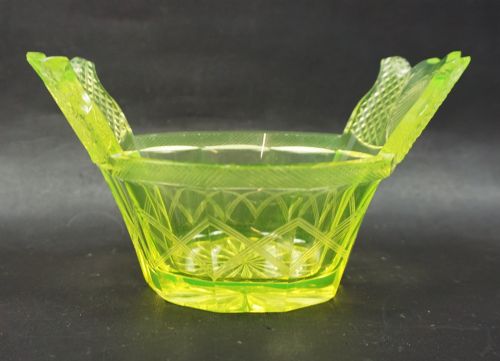
Some early nineteenth-century glass glows under UV light due to uranium content used to achieve a striking yellowish-green hue.
Assessing craftsmanship
Distinction lies in the precision of the glass cutting, the depth and clarity of intaglio engraving, and the execution of overlay layers.
Fineness of hand-painted enamel details and the integration of precious metals or mounts elevate specific pieces above standard production.
Stevens and Williams·Baccarat·Theresienthal·Val St Lambert·Karl Palda·Stuart·René Lalique
The Green Crystal Glasses Glossary
- Cased glass
- A method of fusing two or more layers of different coloured glass together while molten. This technique allows artisans to cut through the outer layer to expose the contrasting colour underneath.
- Intaglio engraving
- A form of glass carving where the design is ground into the surface rather than raised. It creates a detailed, sunken motif that catches the light differently than surface painting.
- Hock glass
- A traditional tall-stemmed Germanic wine glass often utilised for white wine. These vessels frequently display vibrant coloured bowls atop slender stems.
- Mantle lustre
- An ornamental tabletop accessory featuring hanging crystal prisms designed to reflect candlelight. They became popular status symbols during the Victorian period.
- Lead crystal
- Glass containing a significant percentage of lead oxide, which increases weight, brilliance, and workability. This material allows for deeper and sharper cutting by the artisan.
Green Crystal Glasses: Frequently Asked Questions
What are green crystal glasses used for?
These vessels serve primarily as formal tableware for serving wine, hock, or champagne during dining occasions. They also function as decorative display objects that add vibrant colour to interior spaces.
Historically, specific forms like hock glasses were tailored for particular vintages, while decanters held spirits or wine for table service.
How do I identify a period piece?
Dating relies on examining the weight of the crystal, the style of cutting, and any factory marks or signatures present on the base. Victorian and Georgian examples often show hand-blown irregularities and pontil marks.
Twentieth-century items from makers such as Val St Lambert or Karl Palda exhibit distinct Art Deco geometries and occasional acid-etched signatures.
How should I care for antique glassware?
Hand washing in lukewarm water with mild detergent protects the delicate crystal structure and any enamel or gold leaf decoration. Submerging antique pieces in automatic dishwashers causes permanent chemical clouding.
Dry the glass gently with a lint-free cloth to maintain the brilliance of the lead crystal and prevent water spots.
What is overlay glass?
Overlay glass consists of a clear or contrasting glass body encased in a thin outer layer of green glass. Artisans cut patterns through the green exterior to expose the clear layer underneath.
This technique creates a dramatic two-tone effect popular in nineteenth and early twentieth-century Bohemian and French luxury glassware.