




Green Book
These green antique book items bring period character and literary charm to any room, offering tangible links to nineteenth and early twentieth-century libraries.
Green Book
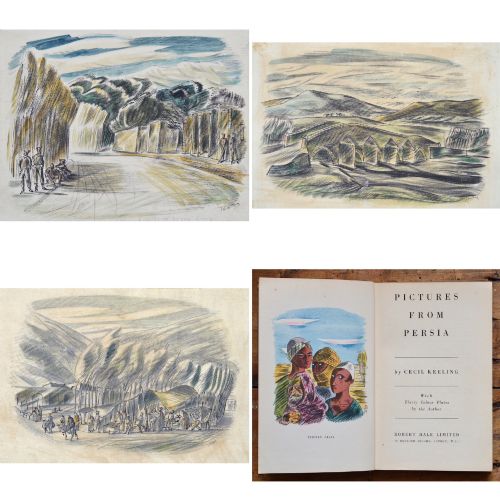
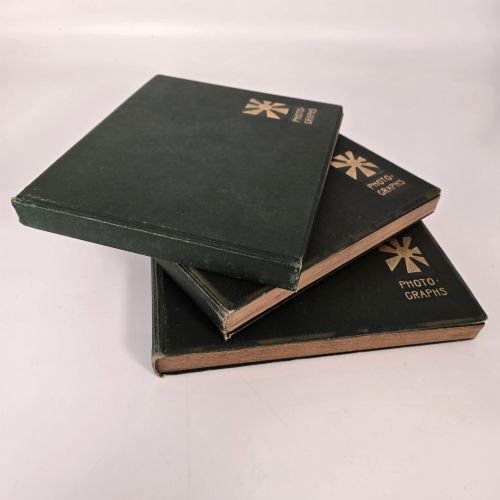
When you search for green antique book, you encounter a varied selection of bound volumes, photograph albums, and library furnishings dating from the Regency era through to the nineteen-thirties. These items span practical reference sets, decorated poetry, and decorative objects linked to the library.
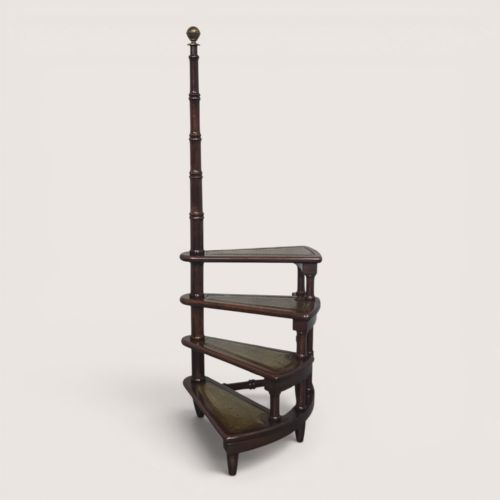
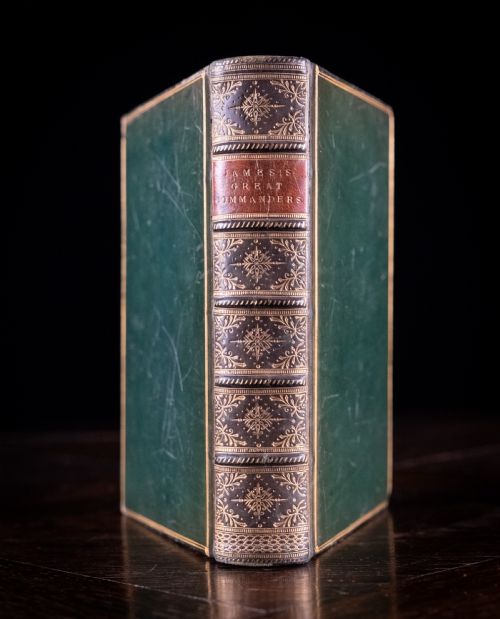
The objects most frequently met include nineteenth-century leather-bound volumes, Edwardian photograph albums, and related library furniture such as carved oak bookcases and mahogany library steps. Many pieces reflect periods like the Victorian and Edwardian eras, incorporating materials standard to traditional domestic spaces.
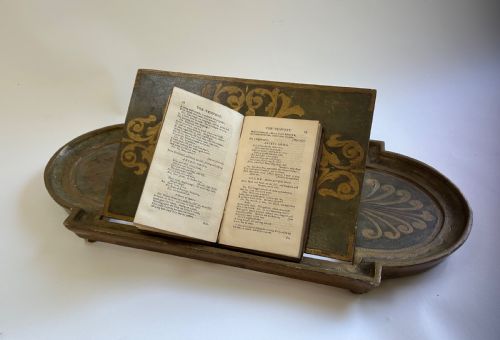
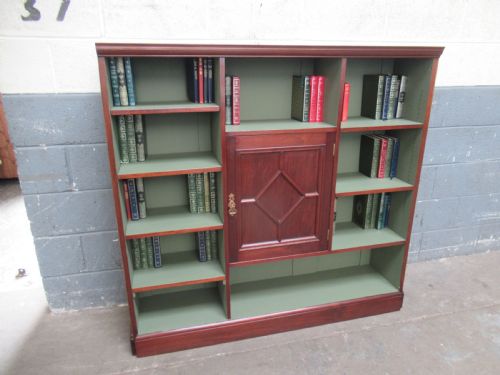
Beyond actual bound books, the selection extends to book stands, decorative boxes, lecterns, and even oil paintings depicting book shelves. Each object serves a function connected to reading, study, or the display of printed works.
How they were made
Book bindings and albums utilise traditional materials including leather, paper, cardboard, and gold leaf for lettering and tooling. Skilled binders applied these elements by hand, often incorporating marbled endpapers or blind-stamping.
Associated wooden items such as bookcases, library steps, and book stands rely on oak, mahogany, and walnut. Artisans employed hand-carving techniques, dovetail joining, and brass fixings to construct durable pieces designed for heavy domestic use.
Green Book Retail Price Guide 2026
Typical asking prices for green book among the pieces listed under this phrase on Sellingantiques today, from the lower quarter to the upper quarter. They describe what is for sale here now, not the wider market.
Listings feature items spanning the Regency, Victorian, and Edwardian periods, constructed from leather, oak, mahogany, paper, and brass.
What varies in quality
The standard of materials and depth of craftsmanship differentiate standard items from superior examples. Finely tooled leather bindings with intact gold leaf sit apart from plain cardboard covers with surface wear.
Construction methods also define quality, particularly in library furniture where solid timbers, careful joinery, and detailed carving indicate higher workshop standards. Original matching sets demonstrate greater uniformity than assembled groups of mixed provenance.
The Green Book Glossary
- Tooling
- The process of impressing decorative designs or lettering onto a leather book cover using heated metal tools. This technique frequently incorporates gold leaf to create bright, lasting titles.
- Regency
- A period of British design spanning the early nineteenth century, known for classical restraint and refined proportions in furniture and bindings. Pieces from this era often display elegant simplicity.
- Edwardian
- The stylistic period covering the reign of Edward VII up to the First World War, characterised by lighter proportions and eclectic revivals. Items from this time often show influences from preceding Victorian designs.
- Lectern
- A slanted stand designed to hold a book at a comfortable reading angle for a standing speaker. These are often carved from timber such as oak or walnut.
Green Book: Frequently Asked Questions
How do I care for antique leather-bound books?
Keep leather-bound volumes away from direct sunlight and damp conditions to prevent the skin from drying out or developing mould. Maintain a stable room temperature to preserve the paper and structural integrity of the binding.
Handle the spines with care when removing books from shelves rather than pulling by the headcap. Dust them gently with a dry, soft cloth, avoiding commercial cleaning liquids that may damage historic leather.
What periods do these green books represent?
The items span from the Regency period through the Victorian and Edwardian eras up to the nineteen-thirties. Each era brought distinct binding styles and printing techniques to published works.
Victorian bindings often feature elaborate blind-stamping and darker hues, whilst Edwardian examples frequently introduce lighter cloth boards or refined leather finishes alongside early photographic albums.
How are antique bookcases different from modern ones?
Antique bookcases utilise solid hardwoods such as oak, mahogany, and walnut rather than manufactured boards or veneers. Their construction involves traditional joinery methods like dovetailing.
Many period bookcases also feature adjustable shelving mechanisms using brass racks, a common detail in nineteenth-century library furniture designed to accommodate books of varying heights.
Can I display antique books in open shelves?
Open shelving offers a traditional way to display collections, provided the room environment remains stable. Ensure the shelves do not suffer from excessive humidity or dry heat from radiators.
Rotate your books periodically and check them for dust accumulation. Keeping them out of strong, direct light prevents the green leather or cloth covers from fading over time.